Tokyo: The Largest City

A City Talking Off

At this time, in the mid-Seventies, Tokyo was already the largest city in the world at thirty million population, and was rapidly developing as an industrial and technical hub.
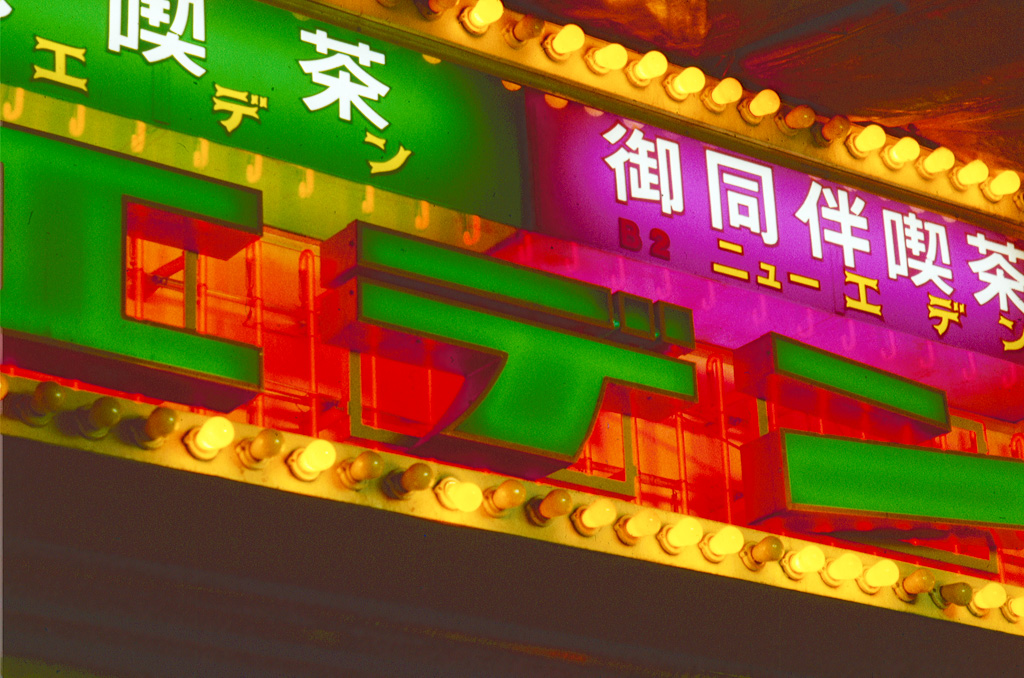
No zoning

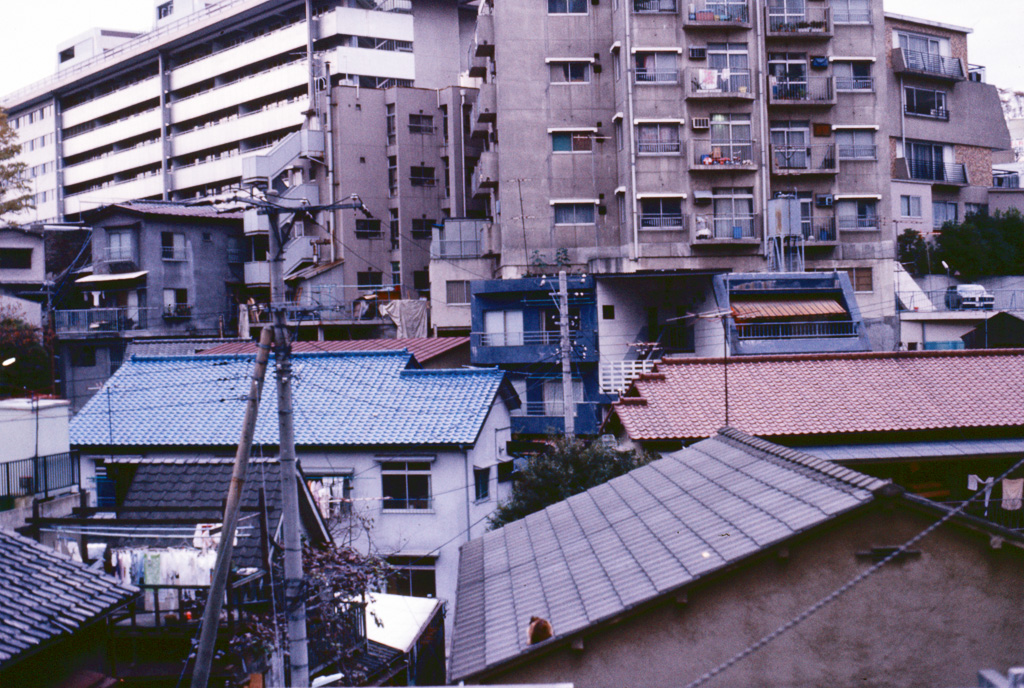
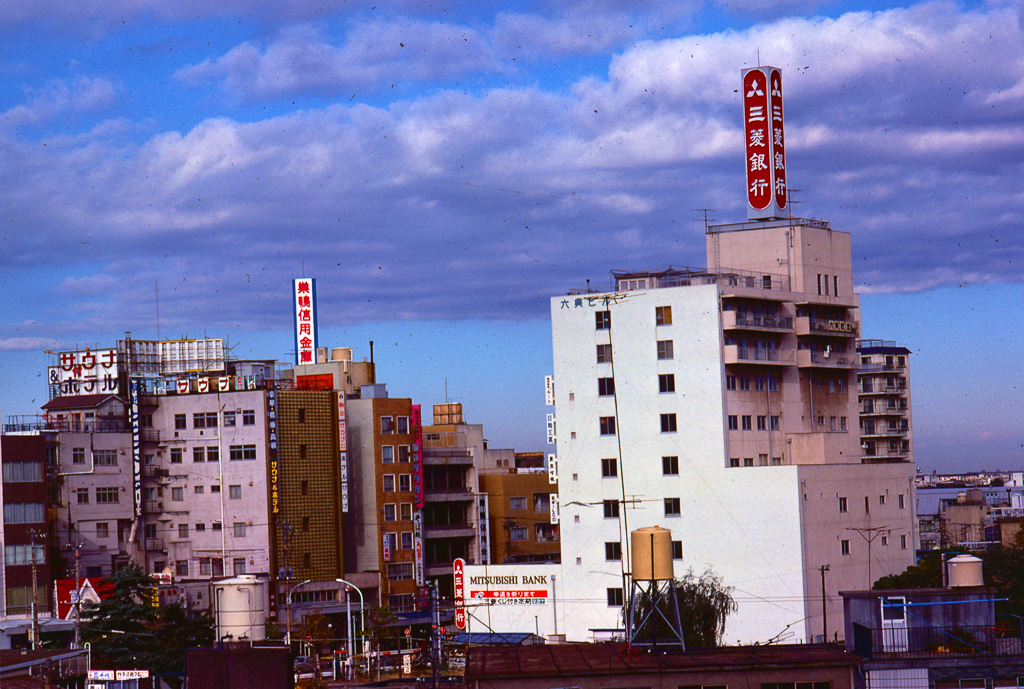
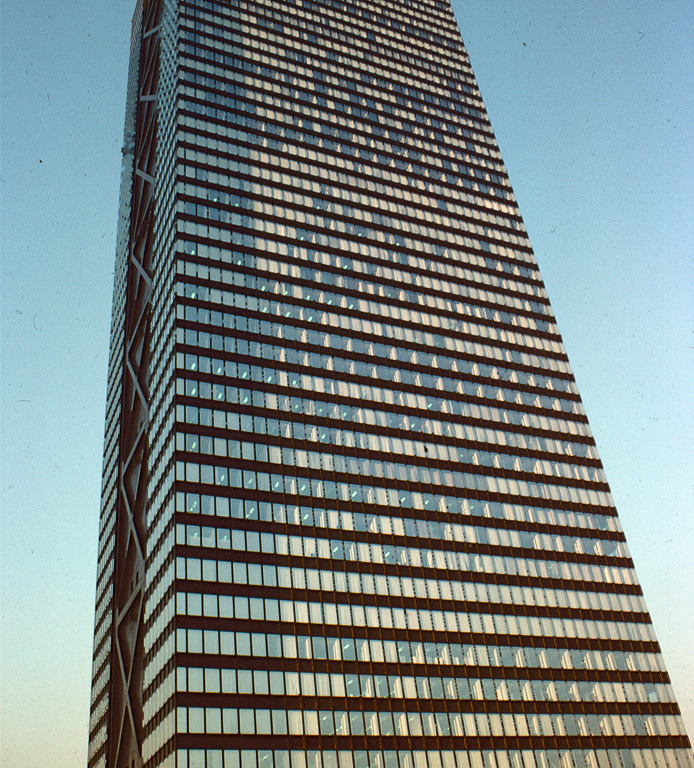
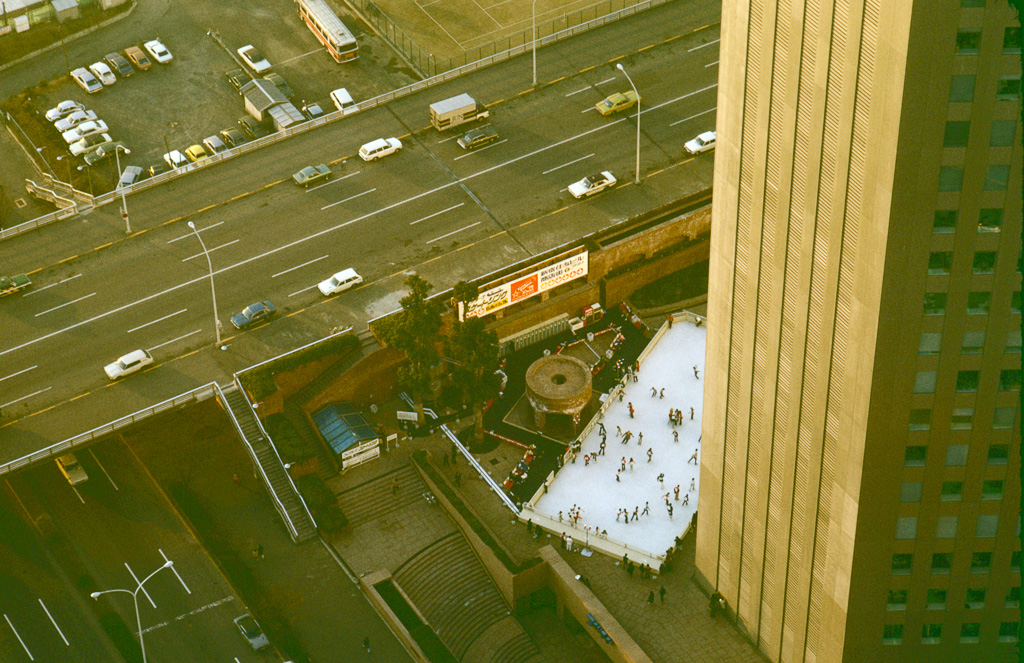
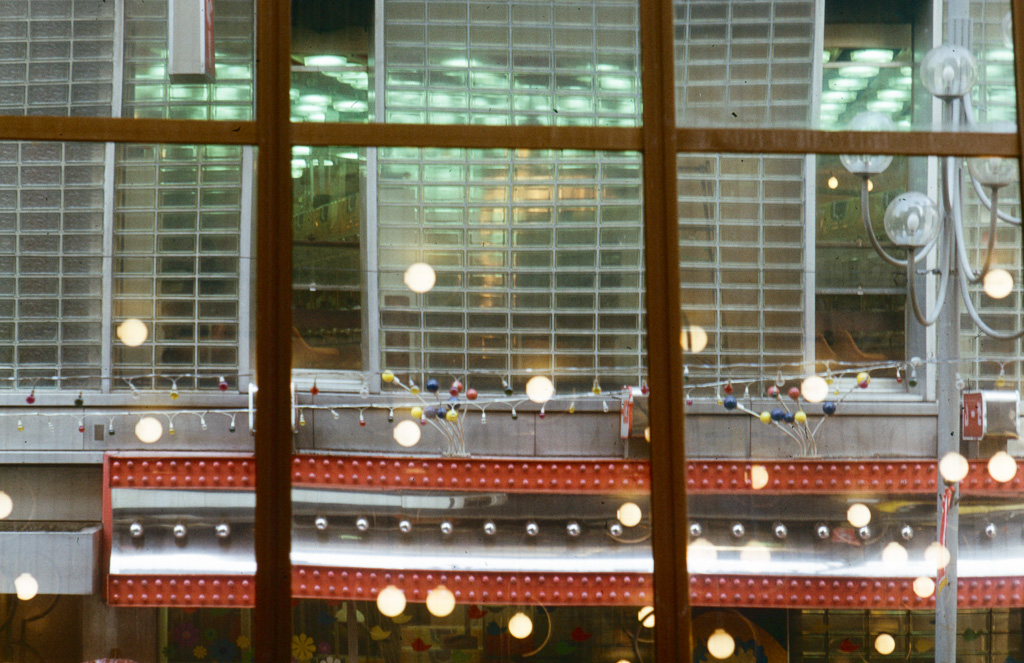
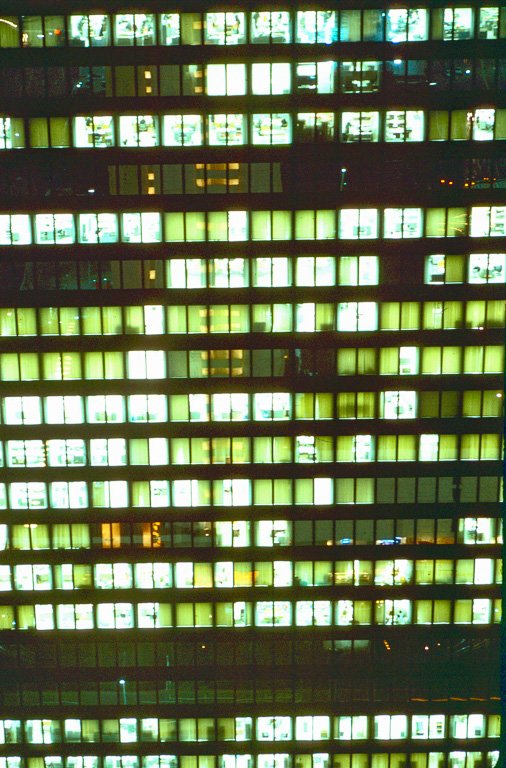
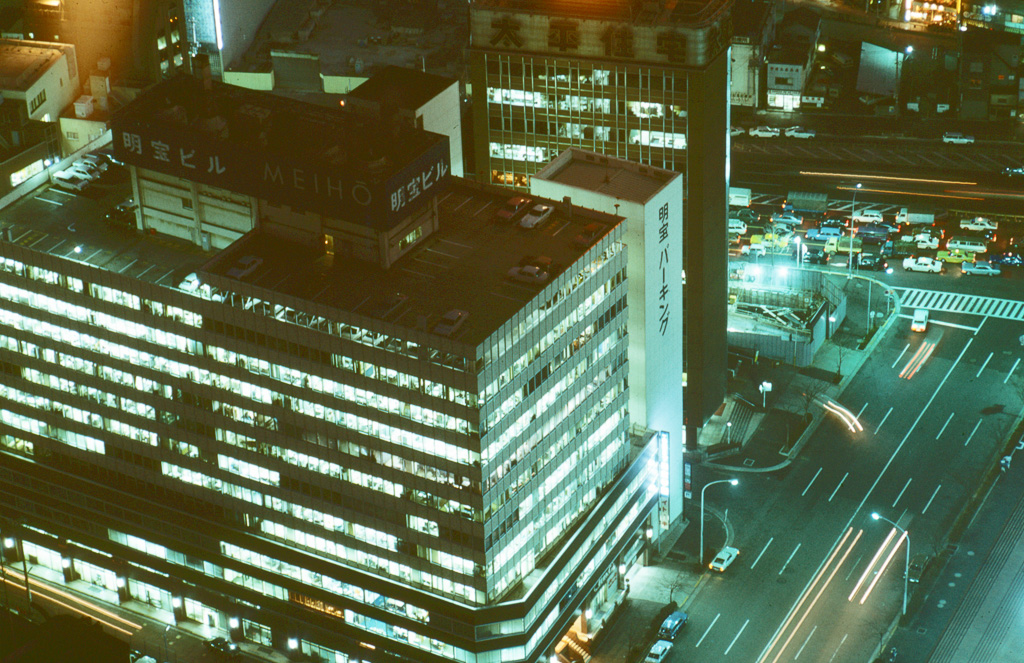
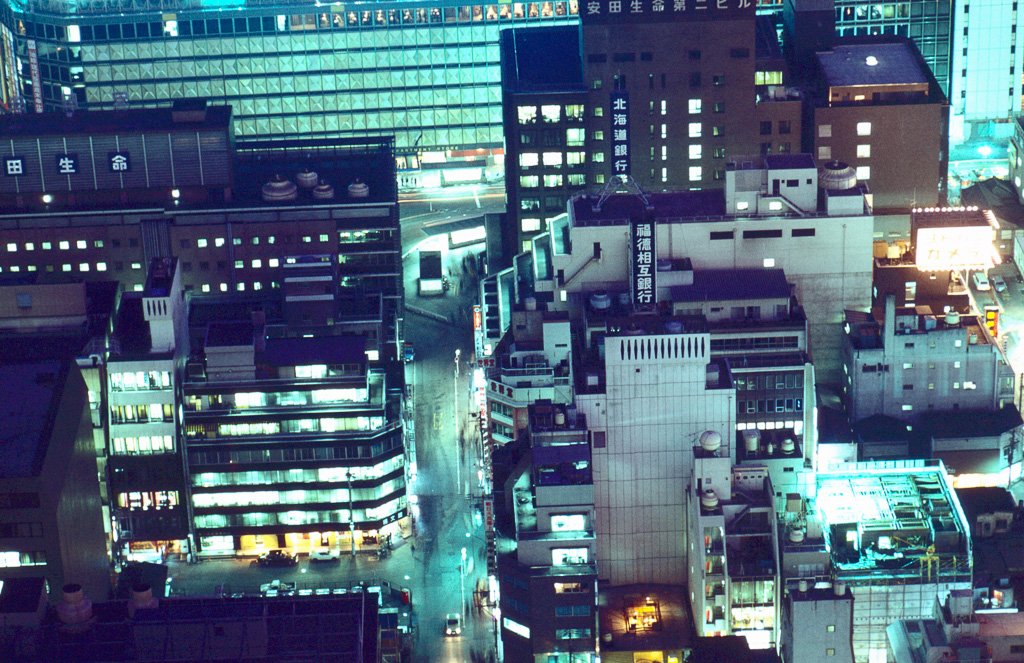
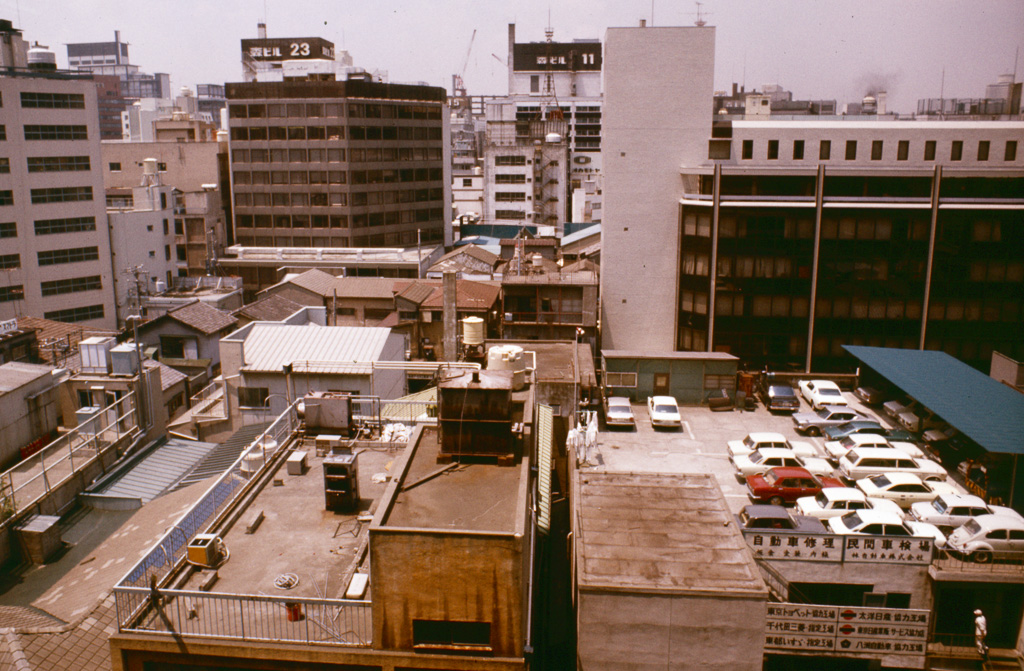
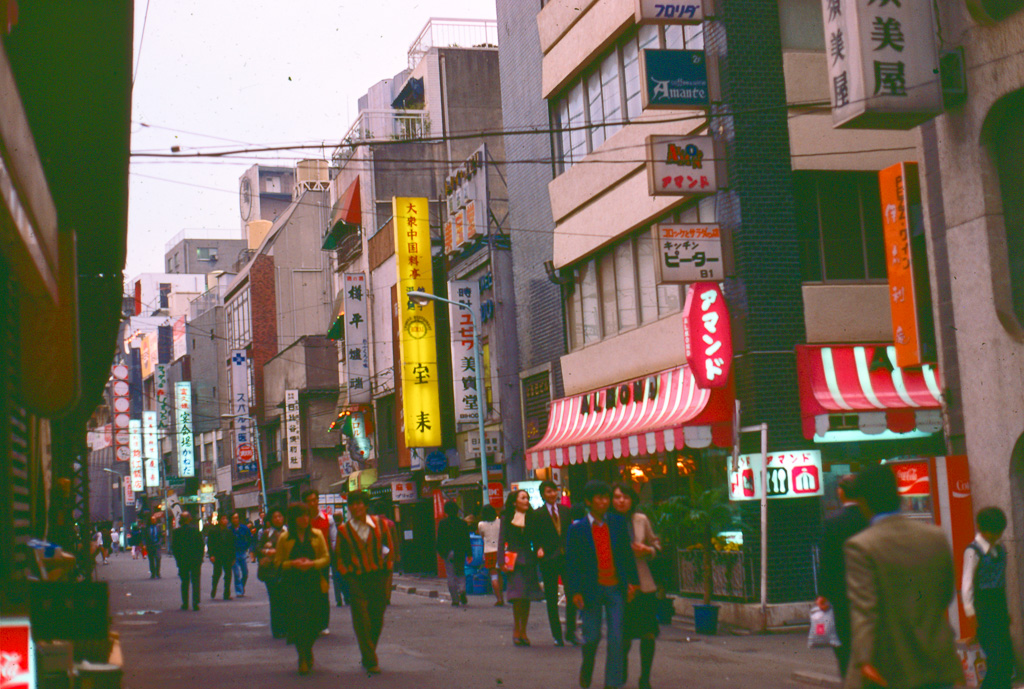
The strict separation of usage familiar in American cities does not exist in most parts of Tokyo. Though different parts of Tokyo are known for entertainment, shopping and other specific usages, there is broad license to mix real estate types in local neighborhoods. This is the view from an office window in Toranomon (“Tiger Gate”) district
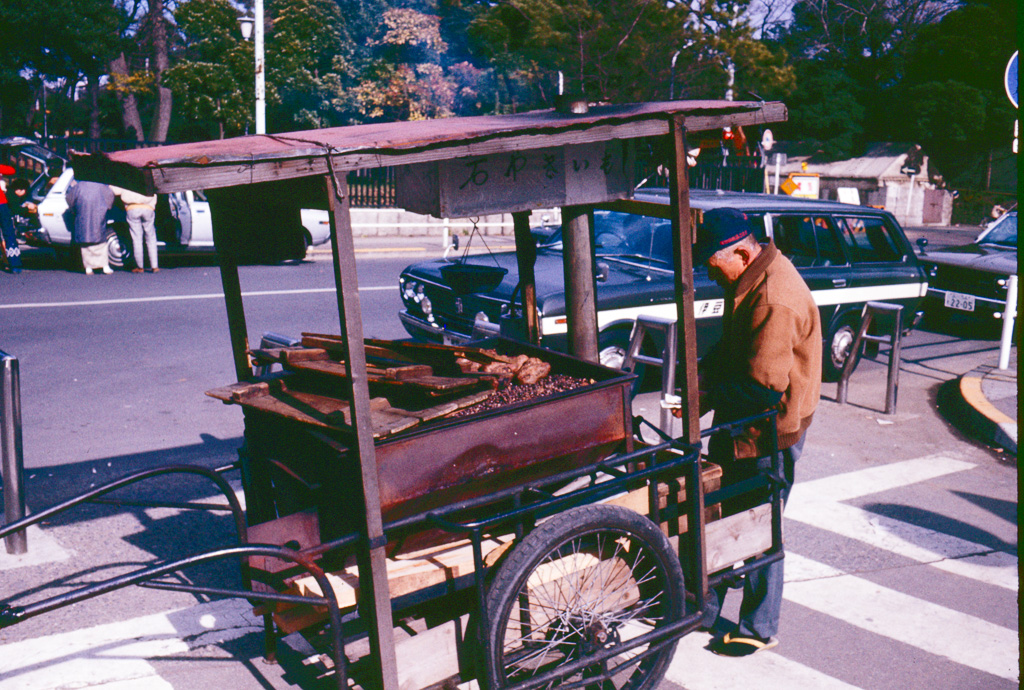
The haunting call of the hot-potato vendor is an autumn fixture in Tokyo
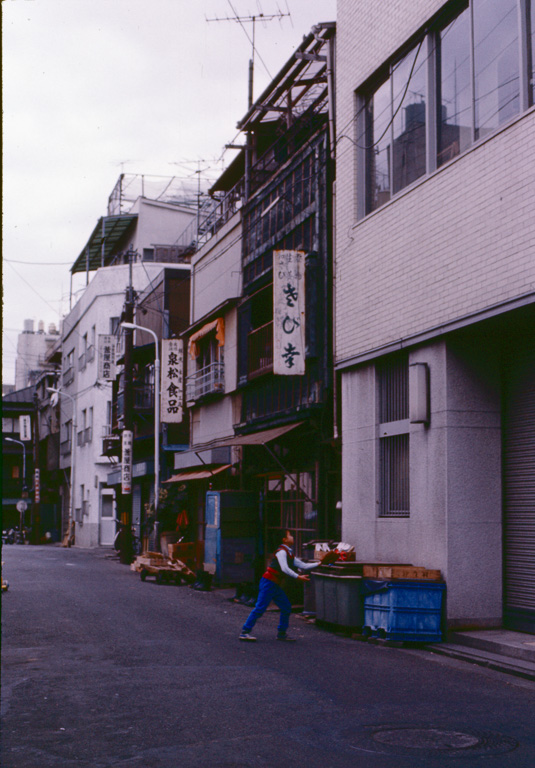
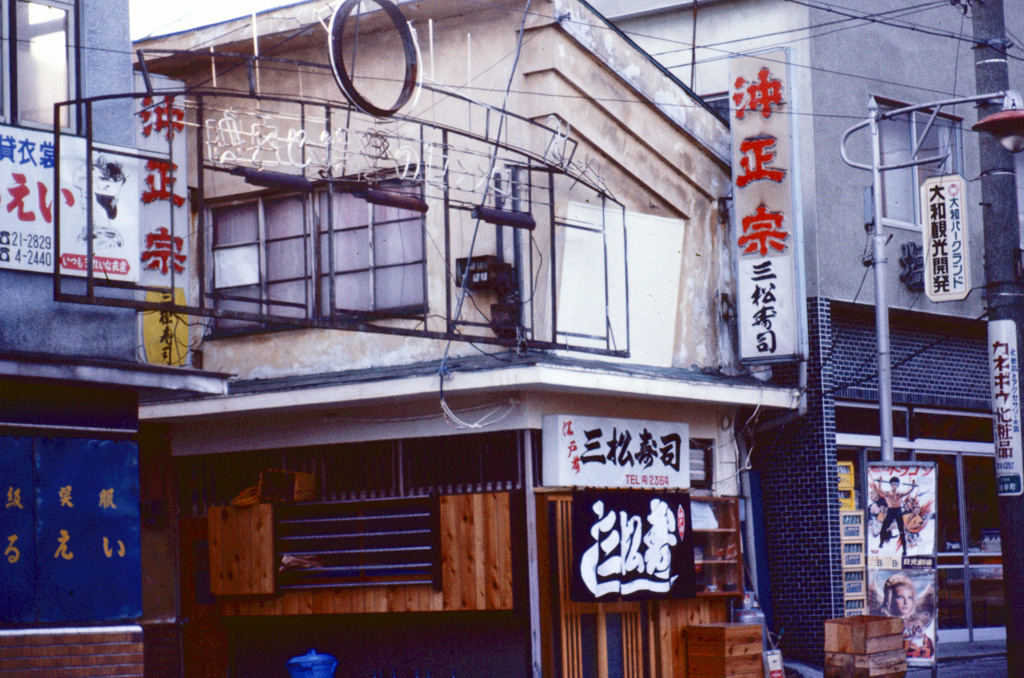
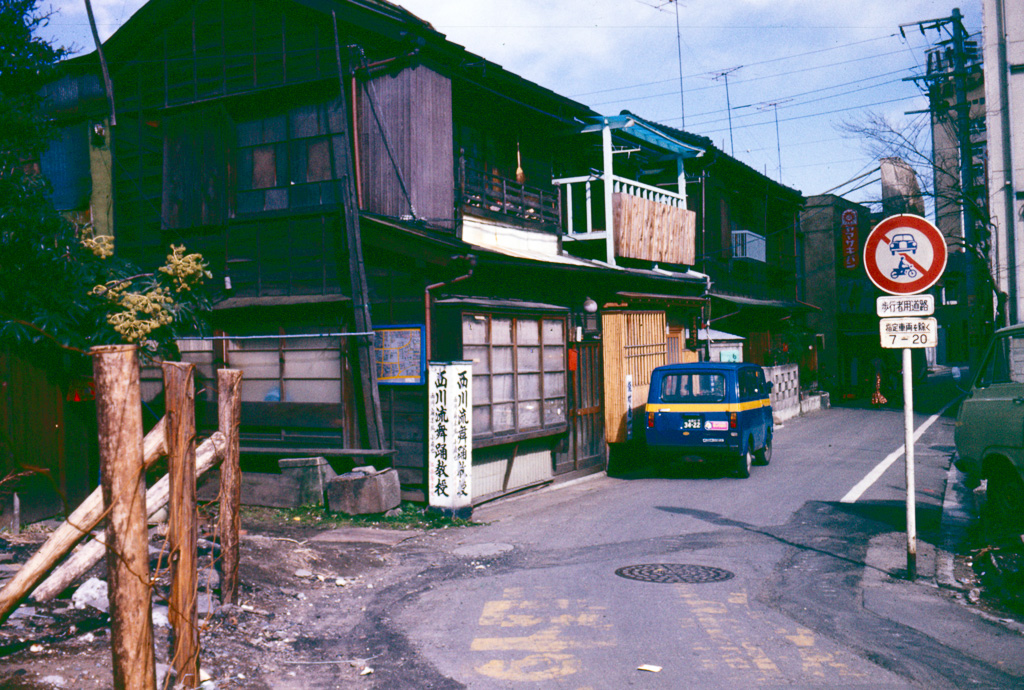
Small in-town houses with living space above the store are a common sight
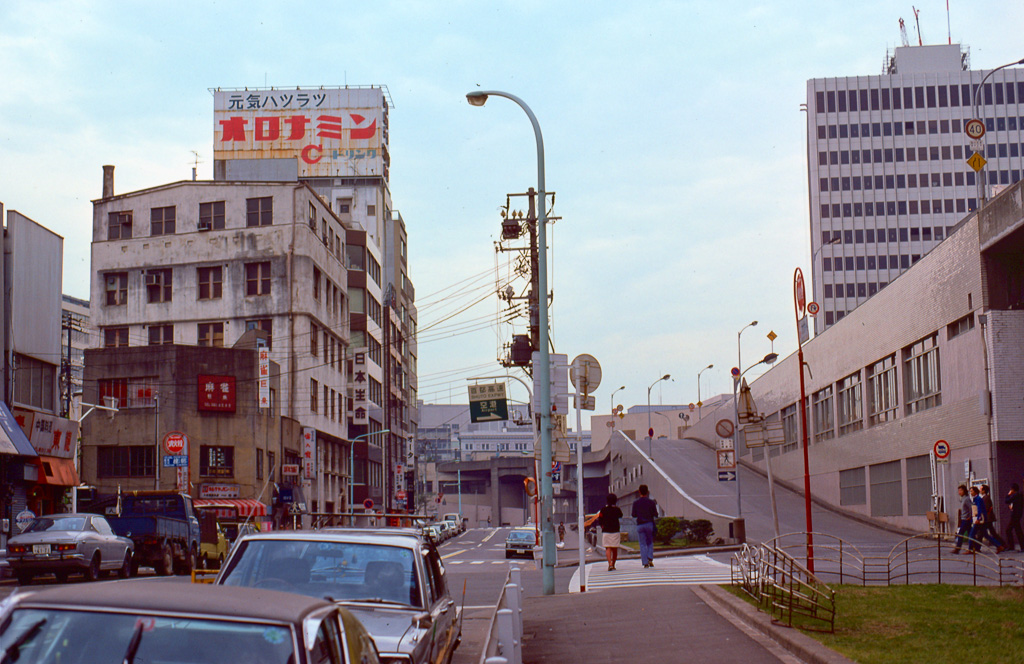
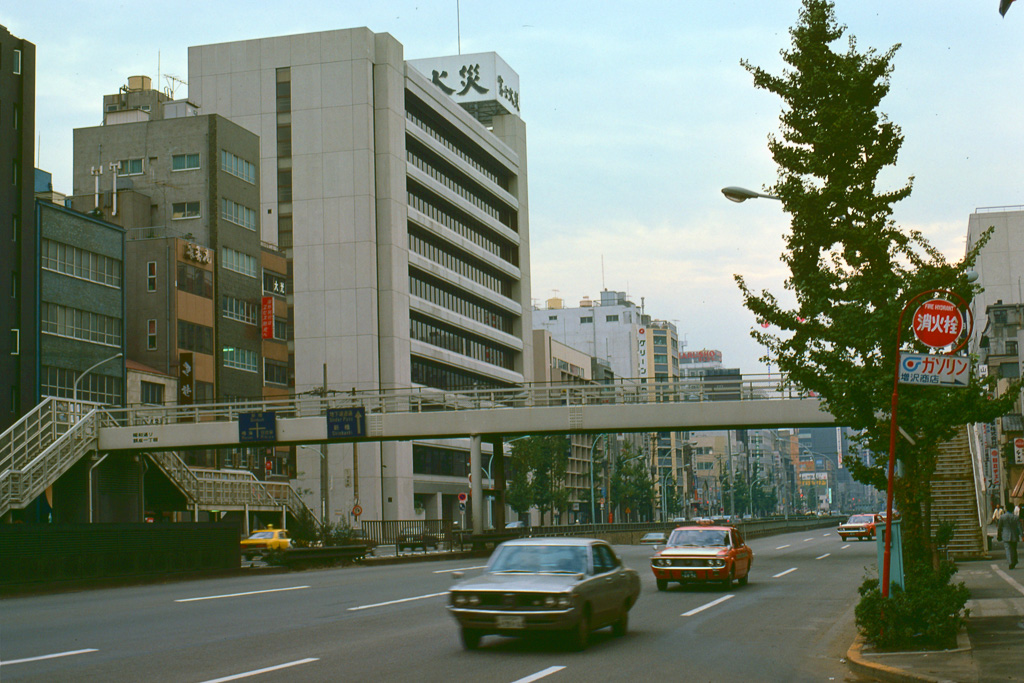
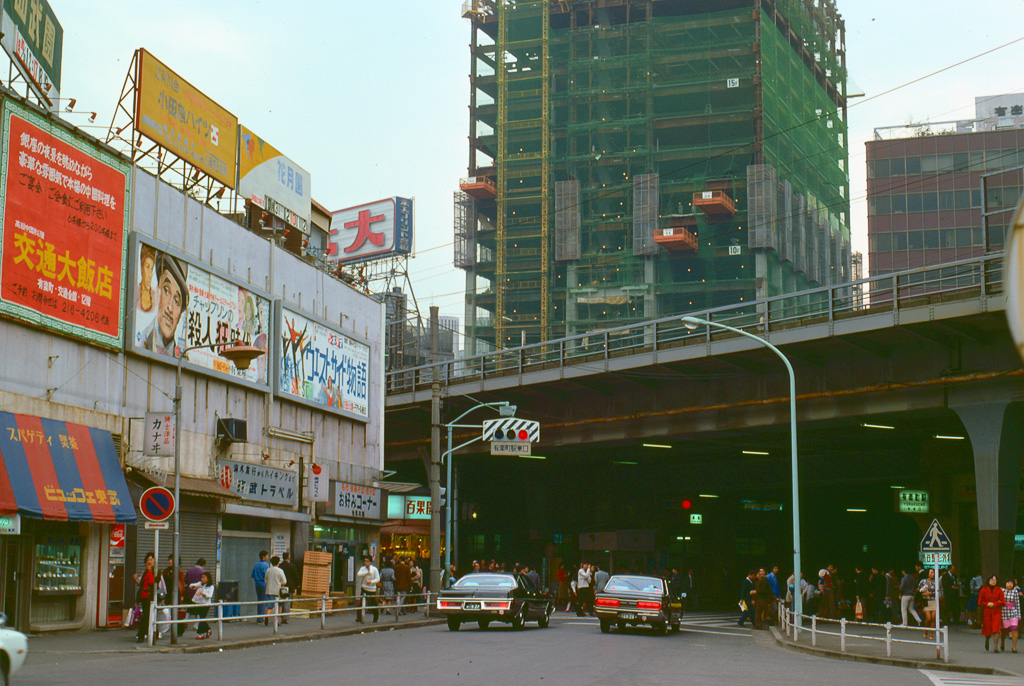
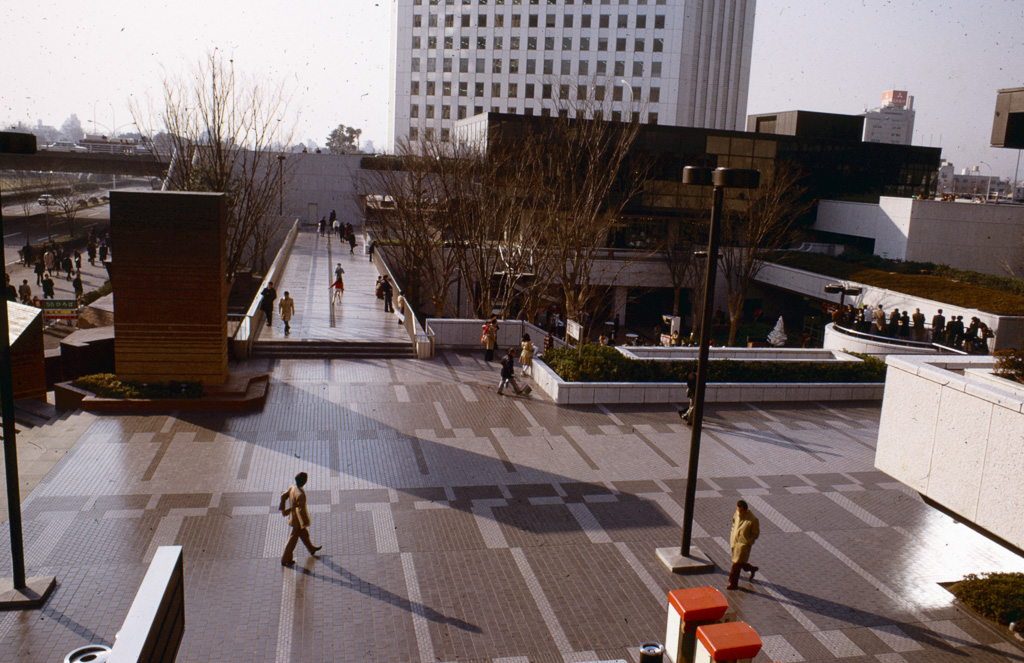
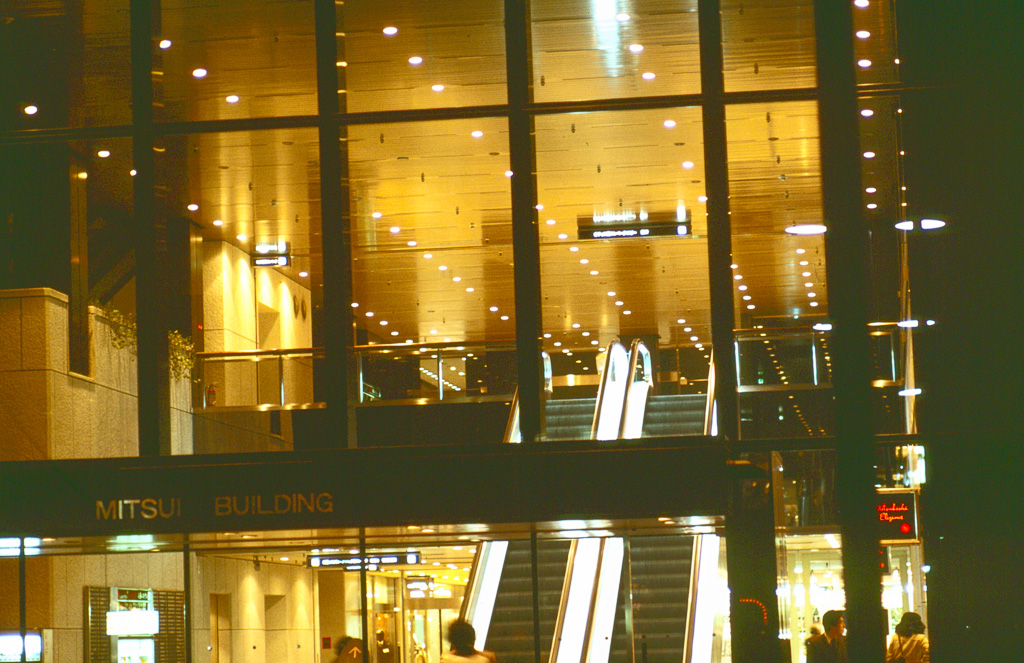
Pedestrian overpasses are common on major streets, but are seldom integrated with surrounding buildings
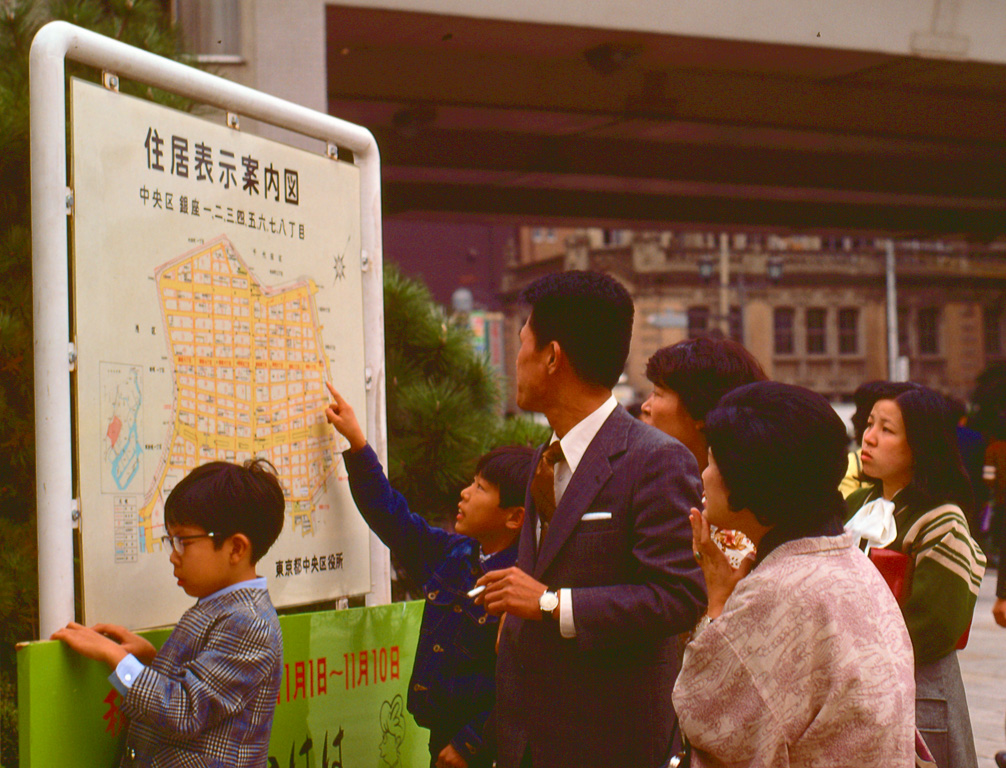
Finding an address on the map at each chome, or city neighborhood.Because houses are numbered in the order built in a home, you have to look the location up.
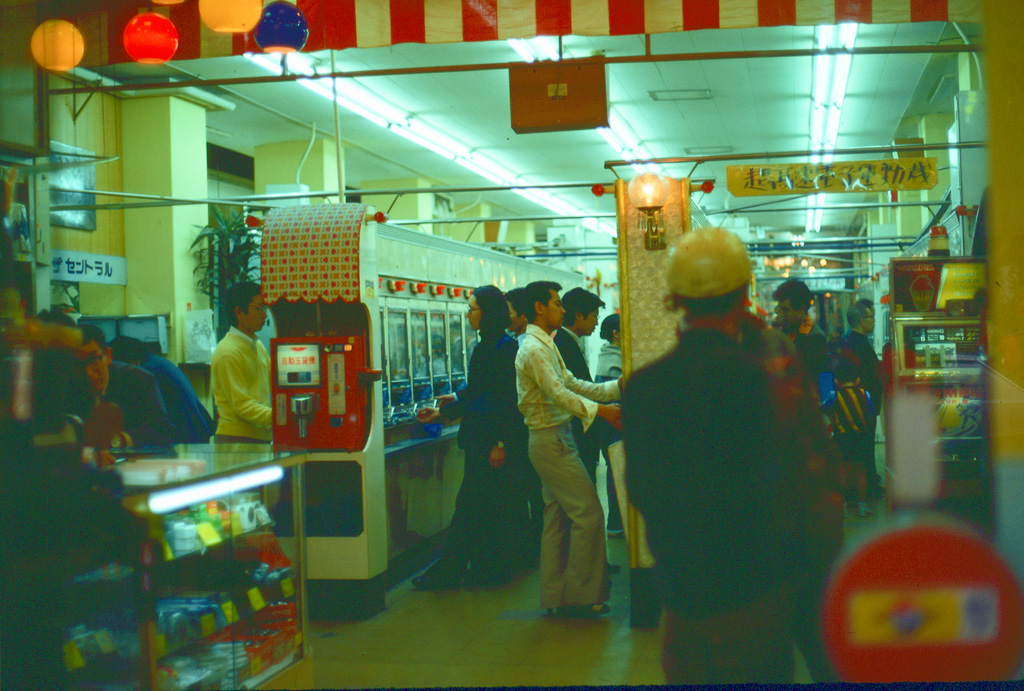
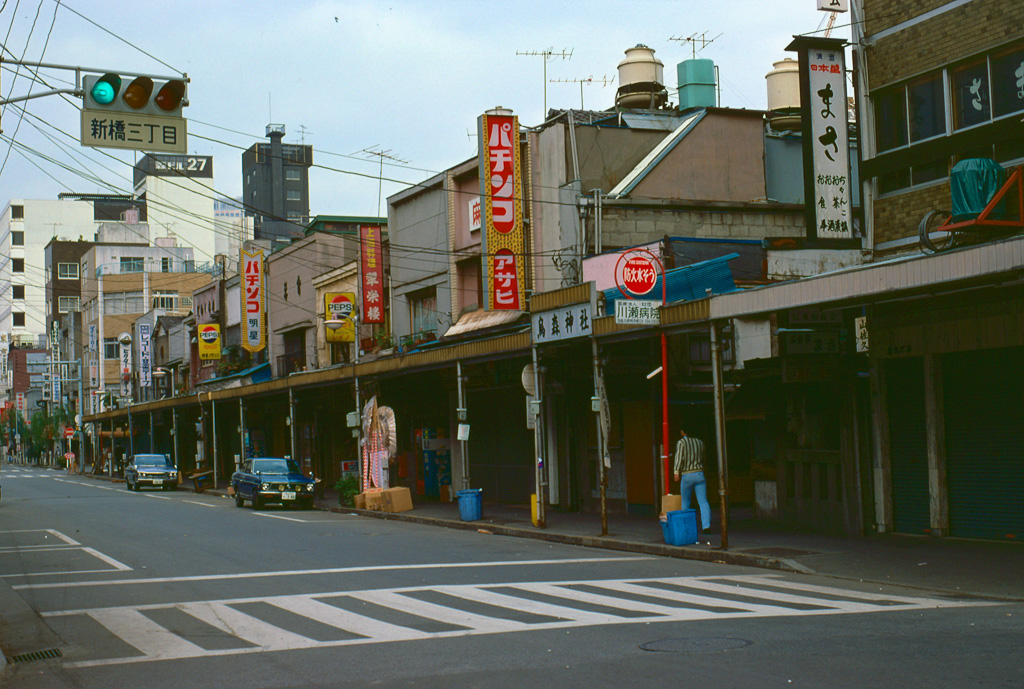
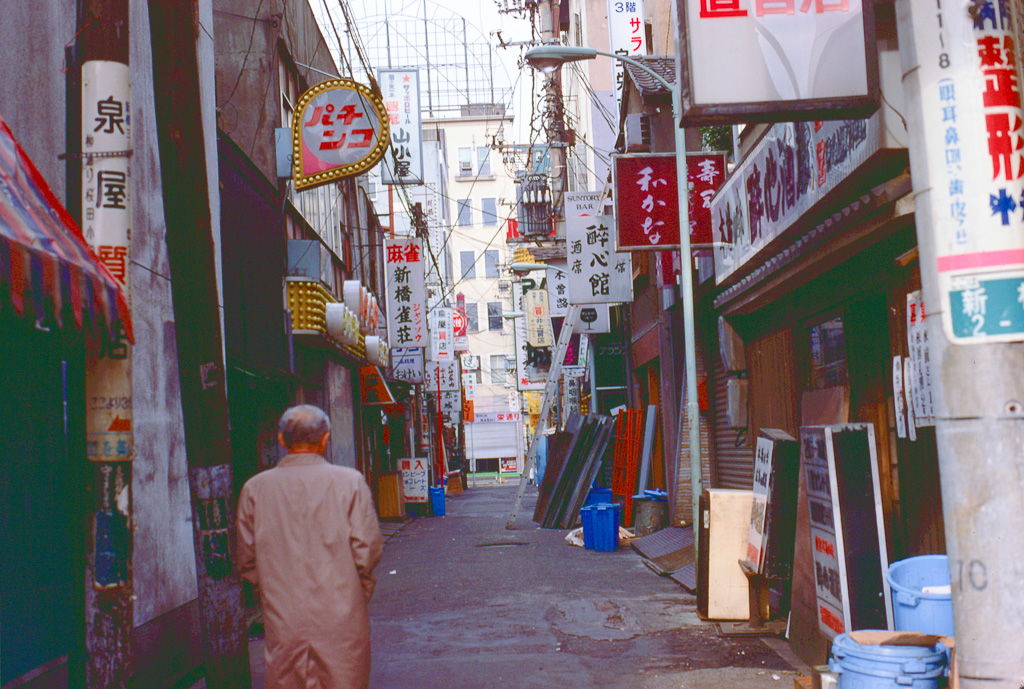
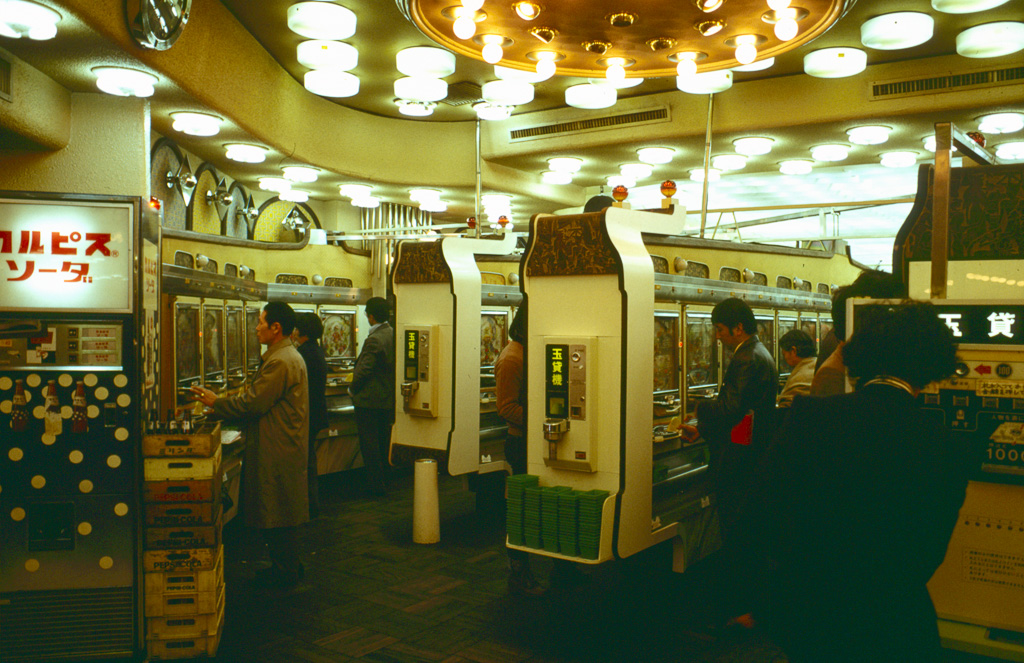
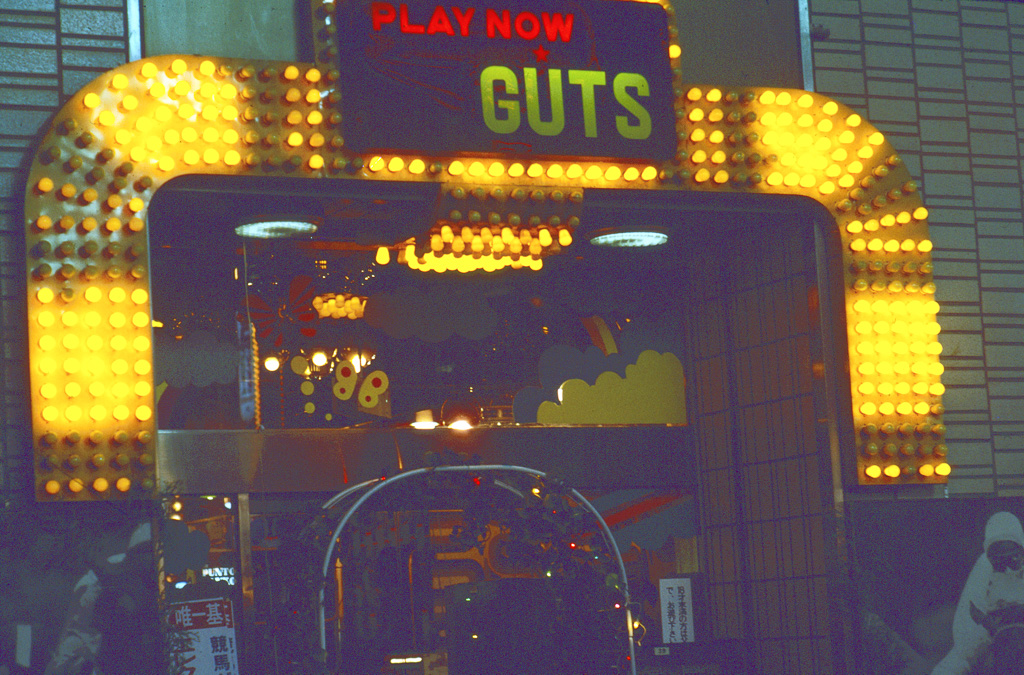
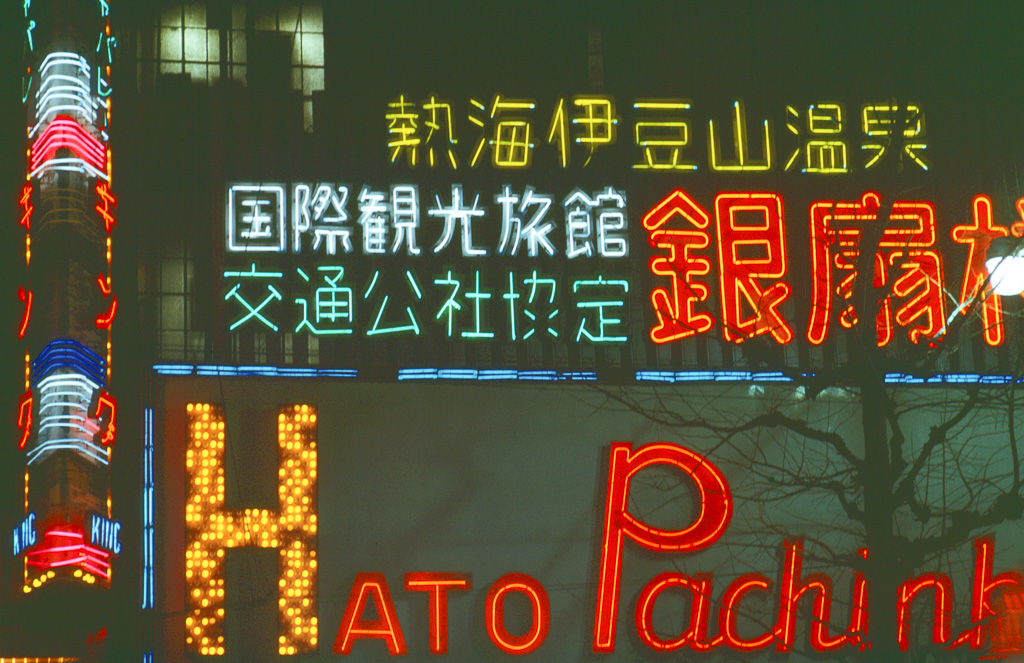
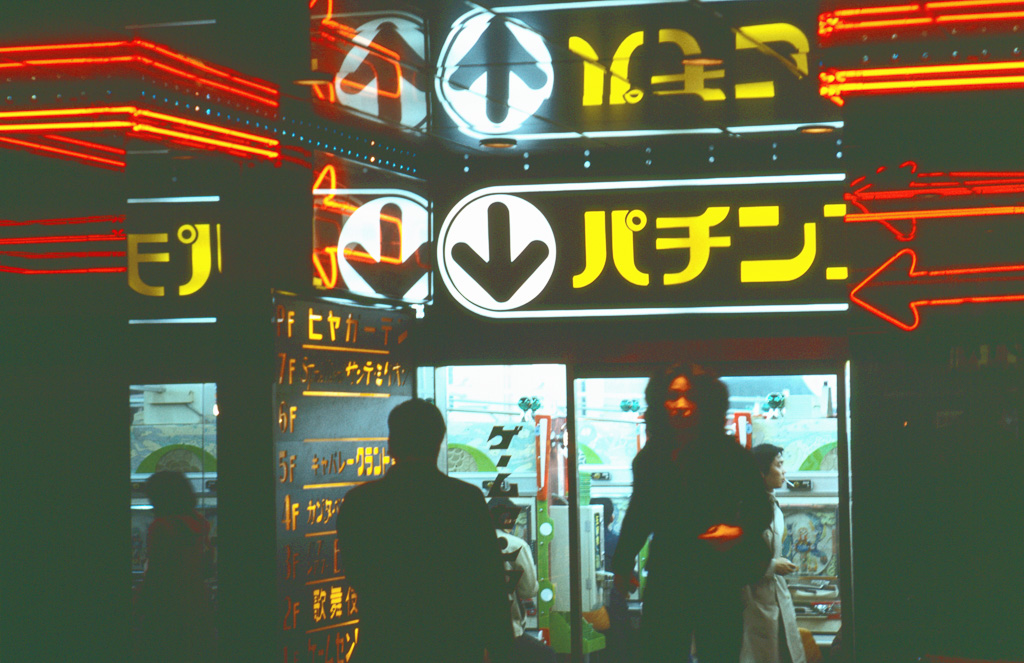
A pachinko parlor. This arcade game is a Japanese take on pinball.
A highway overpass
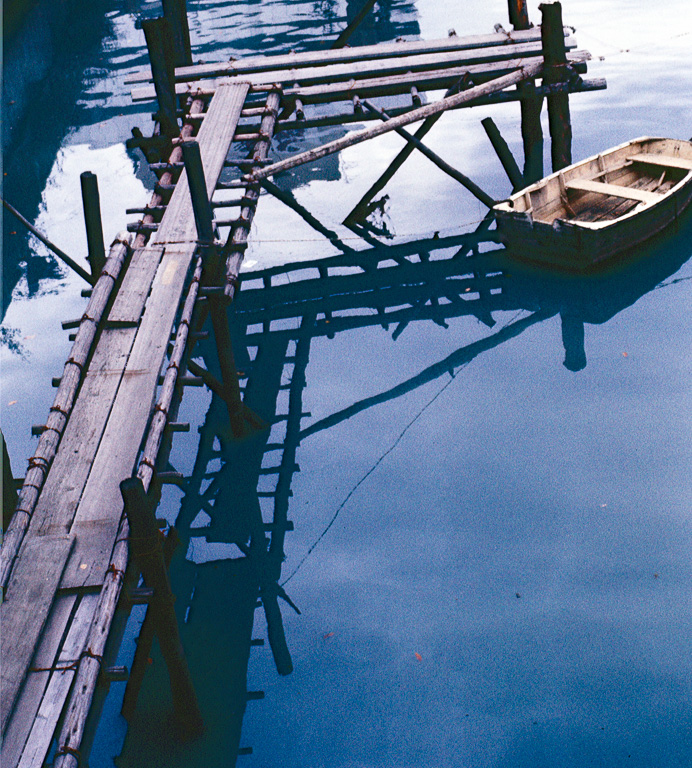
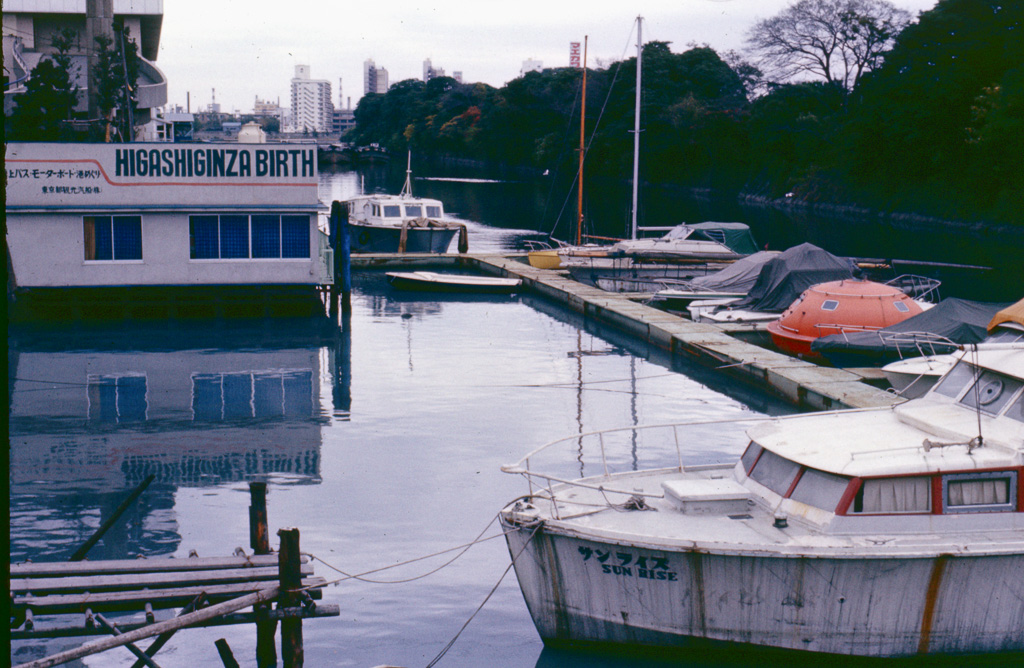
Old boats are parked one urban canals
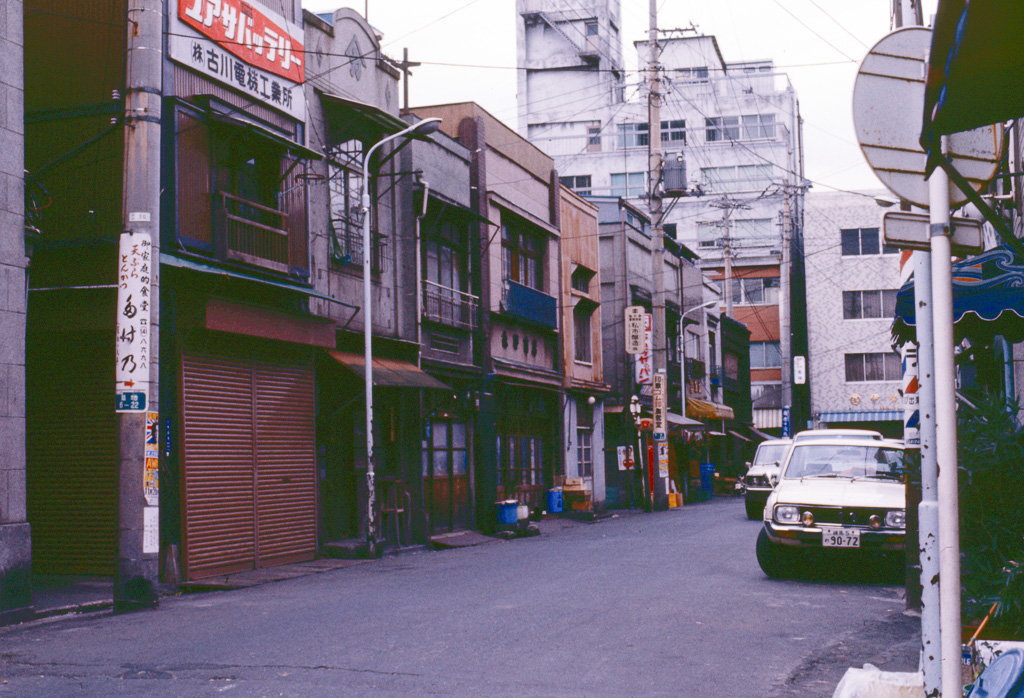
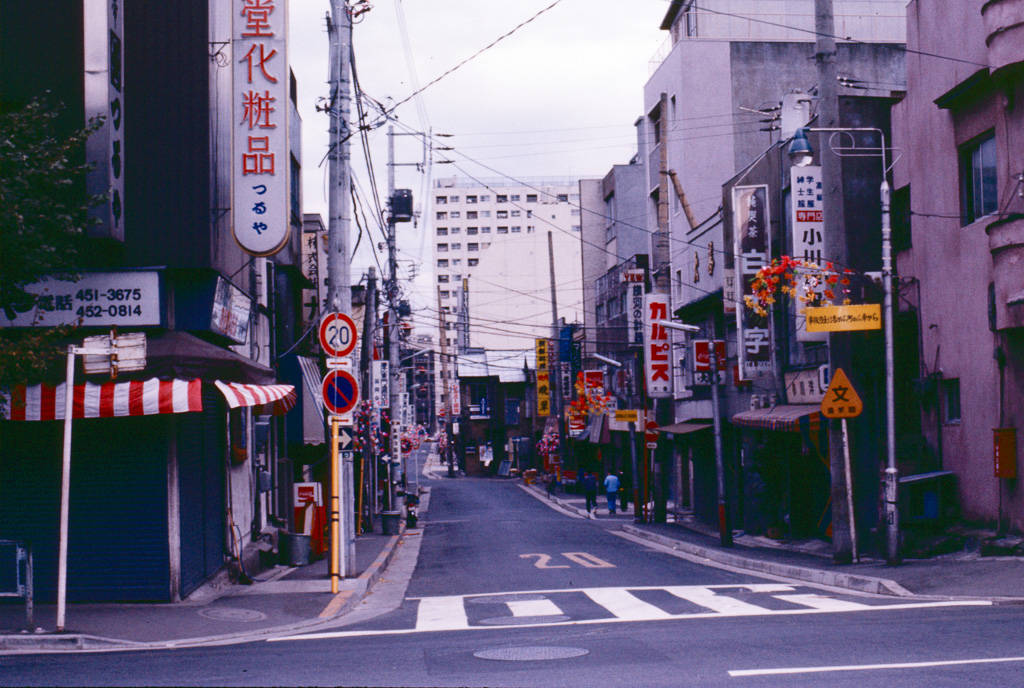
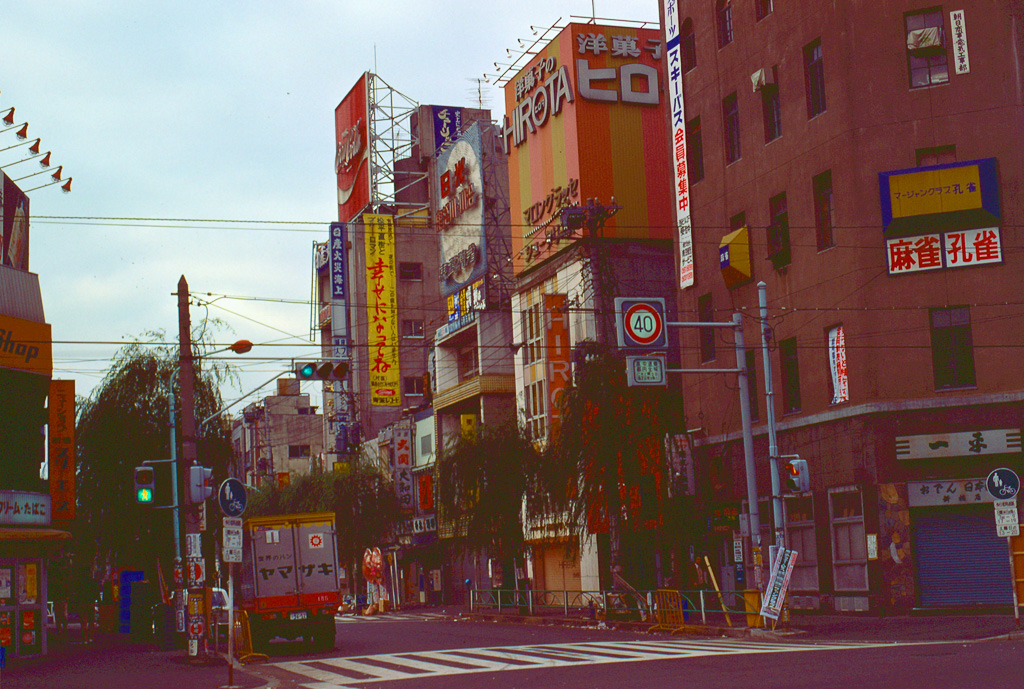
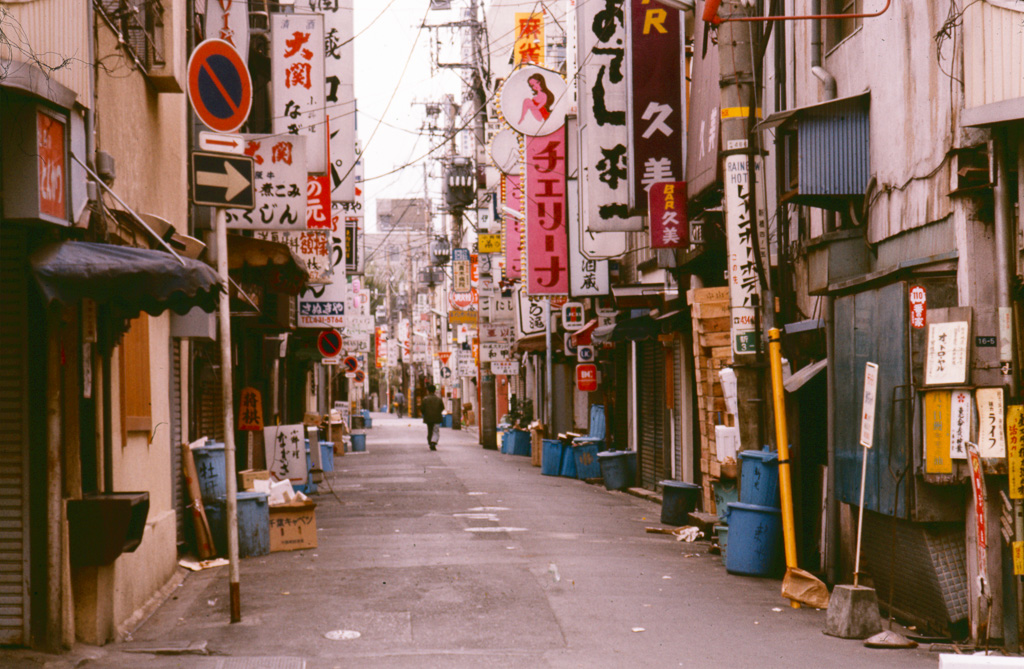
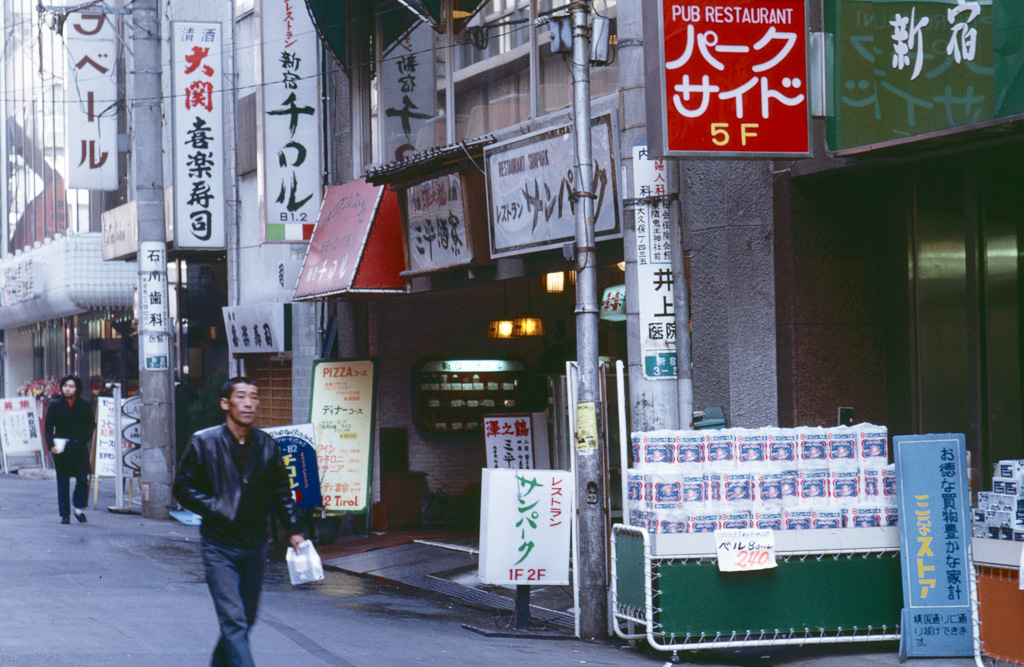
Without zoning; houses, stores and factories have to learn to grow up together by lintimate ocal agreement
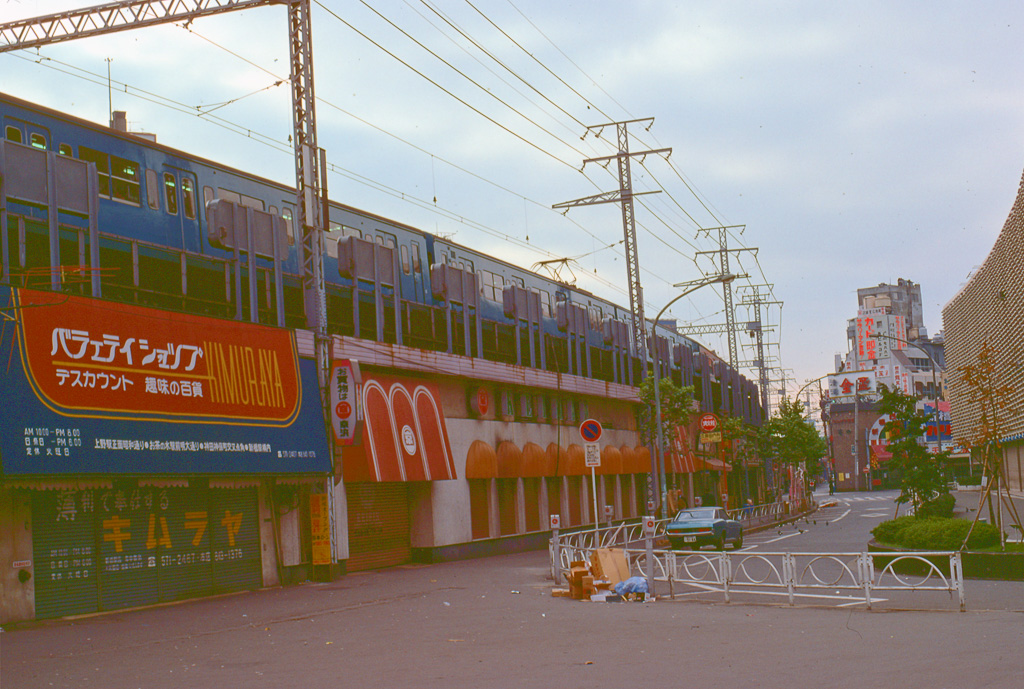
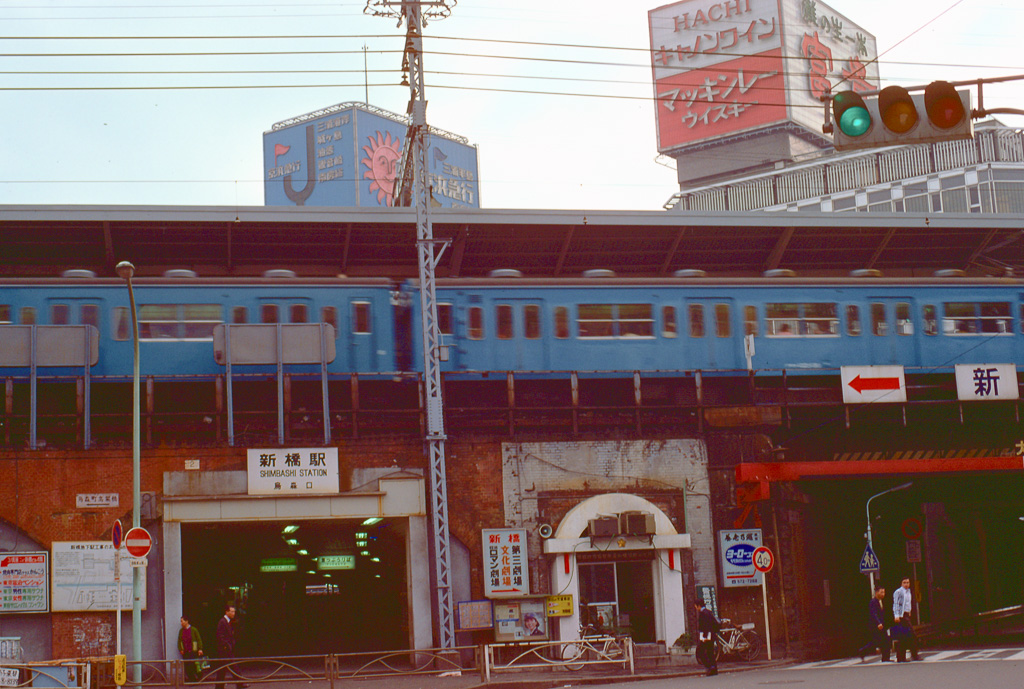
Surface trains ride high on viaducts. Grade crossings are rare.
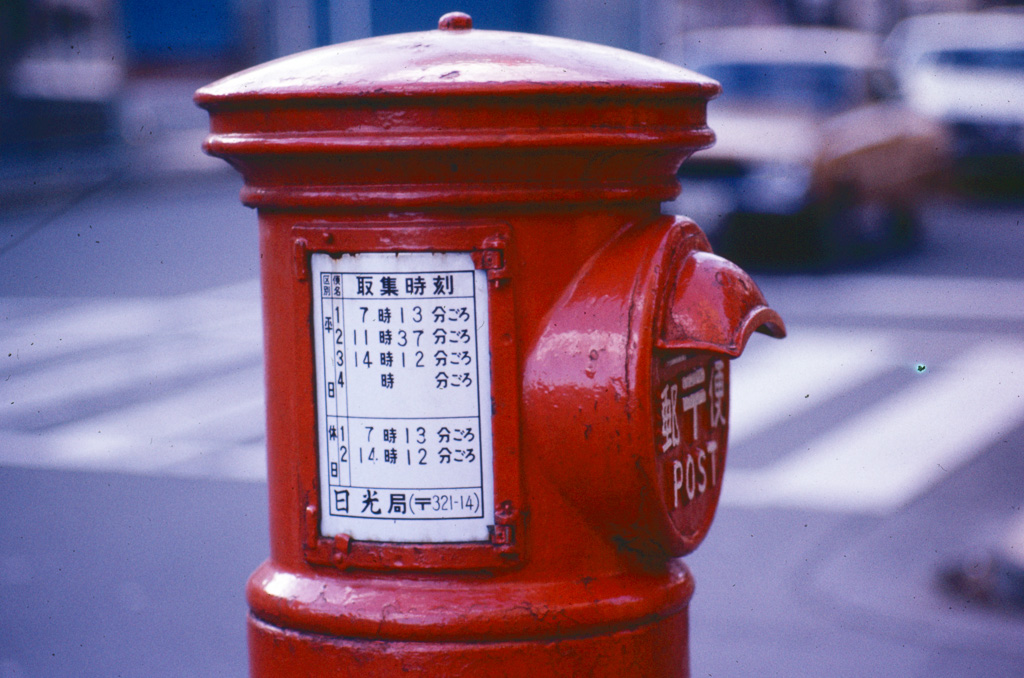
A public mailbox, with frequent collection times posted
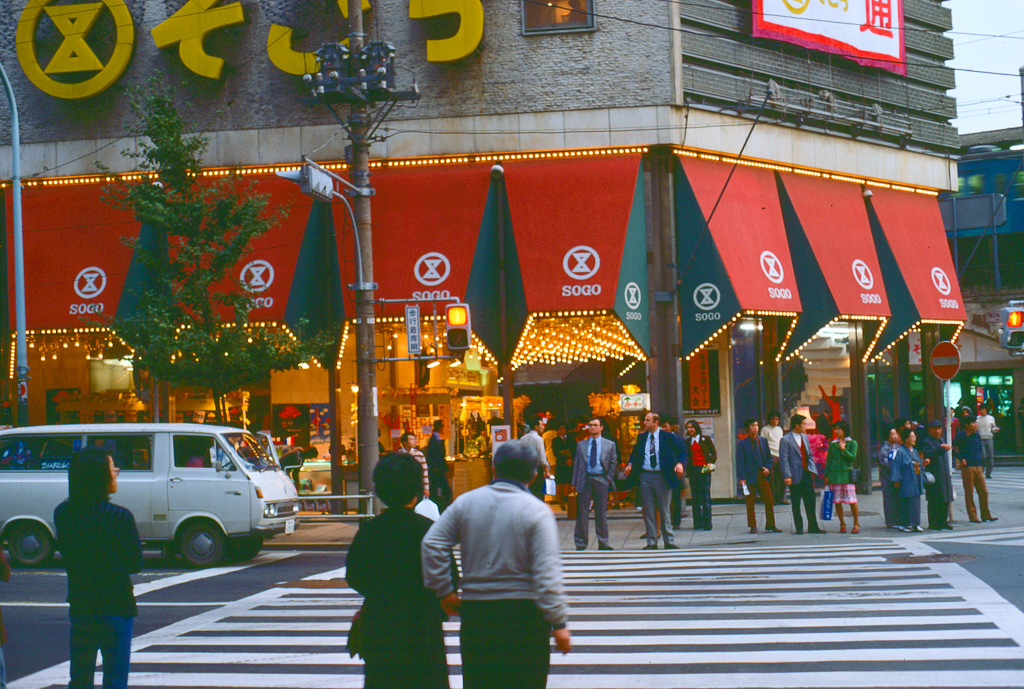
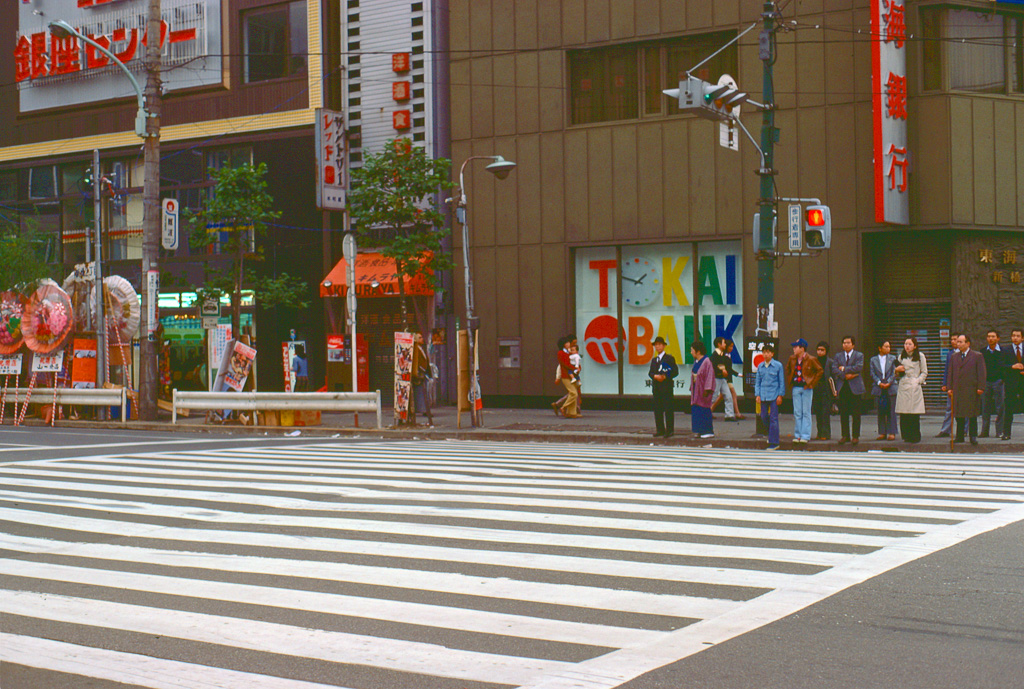
Nobody jaywalks in Tokyo. When the light changes, a tide of humanity breaks forth onto these wide crosswalks.
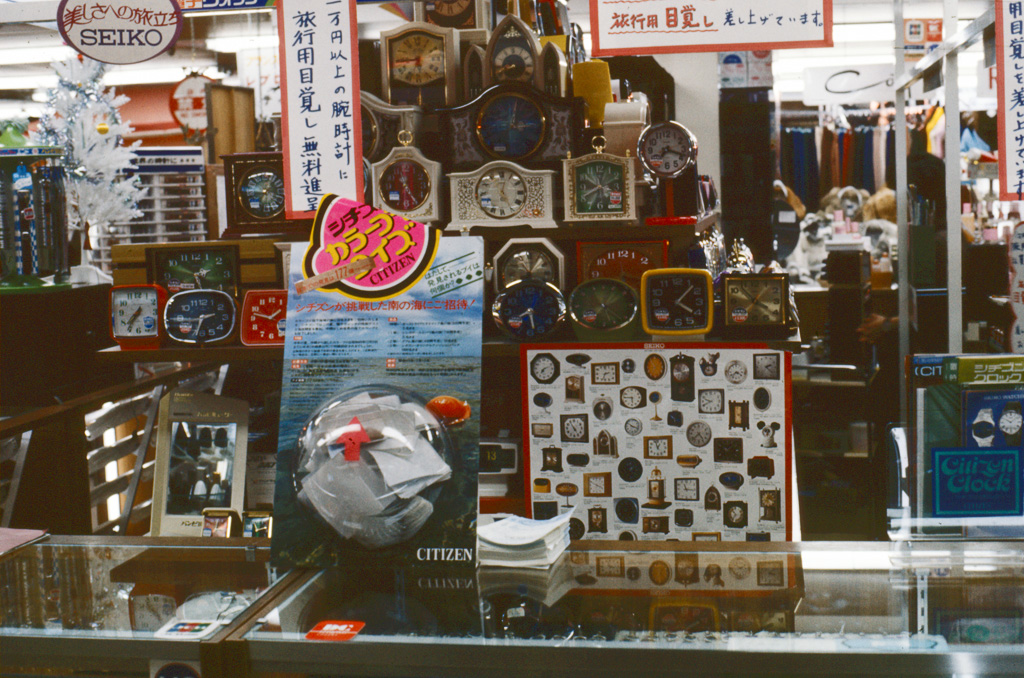
Clocks for sale!
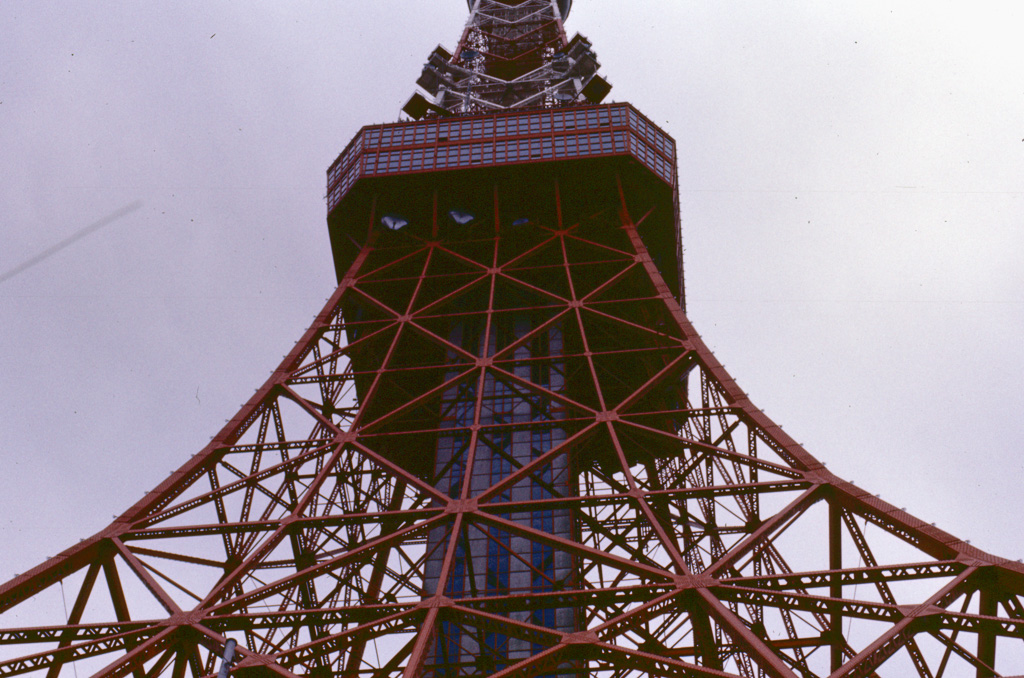
Tokyo Tower is a half-scale imitation of the one in Paris
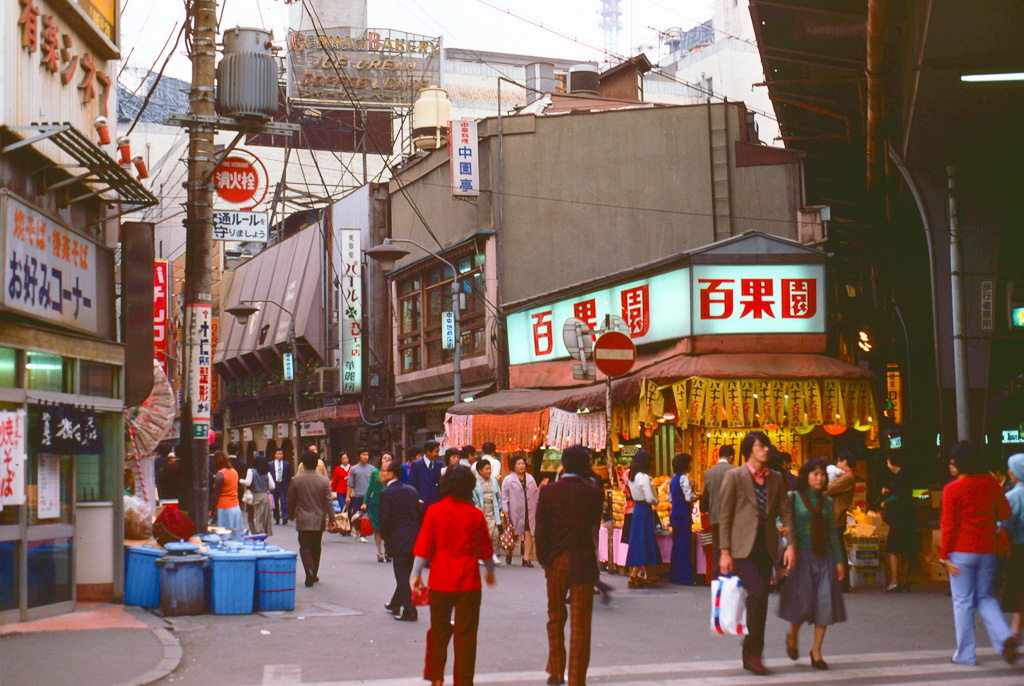
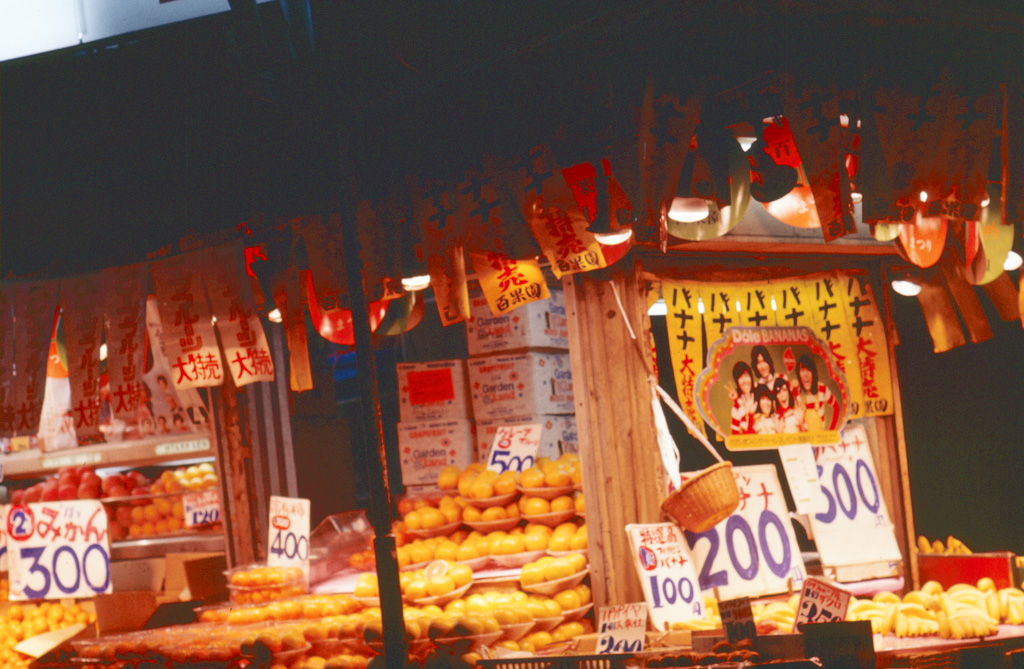
When you want lemons, you go to a lemon shop. There is only one supermarket in the whole city, catering mostly to expatriates. In a city of people on foot, nobody wants to cary a week’s worth of groceries home.
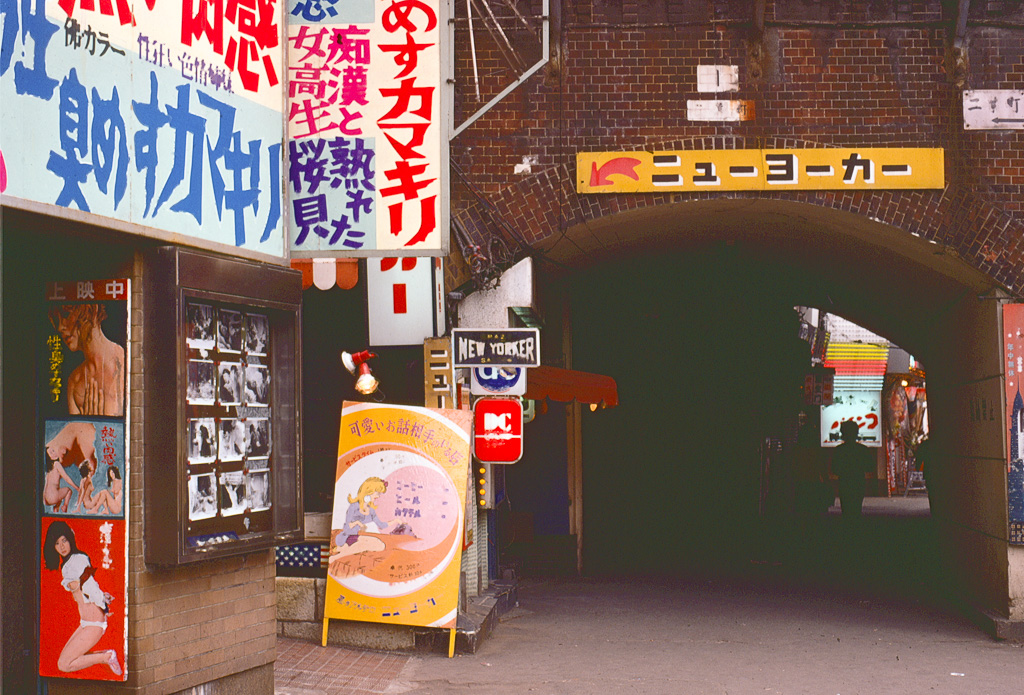
A train roars by above one of the smaller entrances to Shimbashi Station
Kinokuniya, the largest bookstore in town, carries all languages
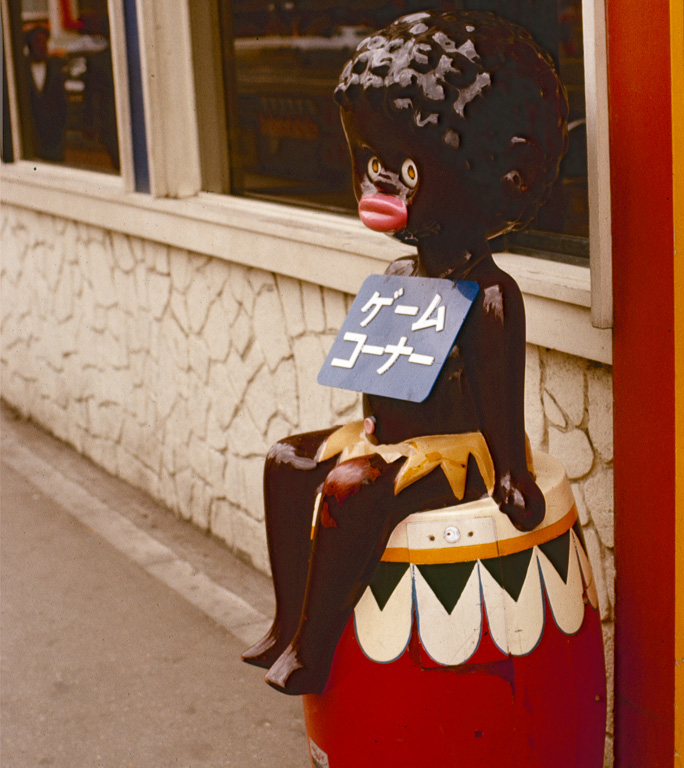
This Sambo’s Game Corner uses racist imagery that has fallen out of use everywhere else
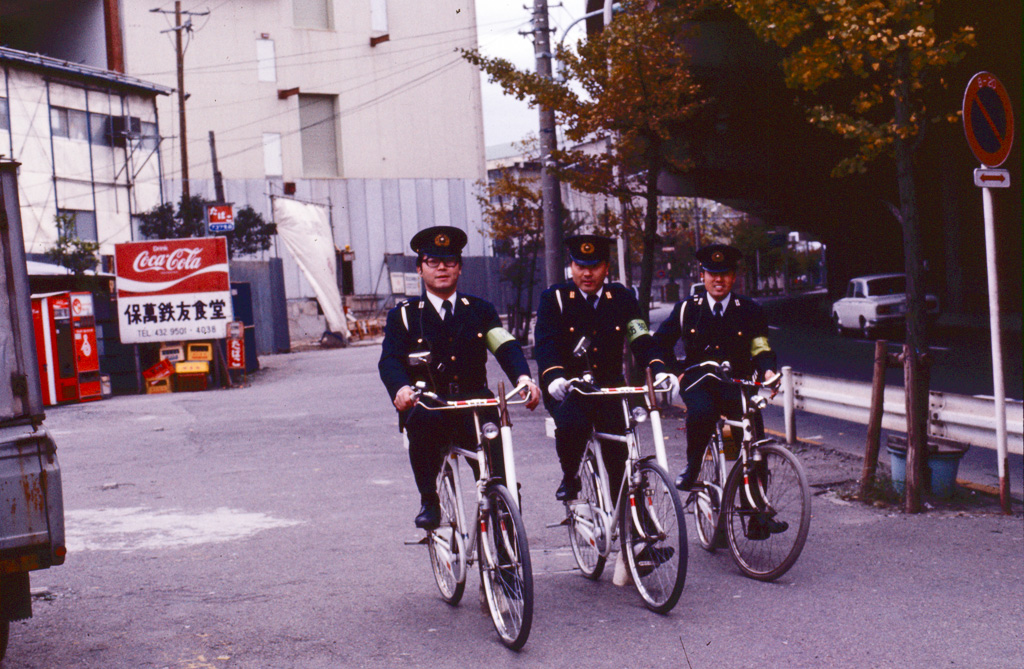
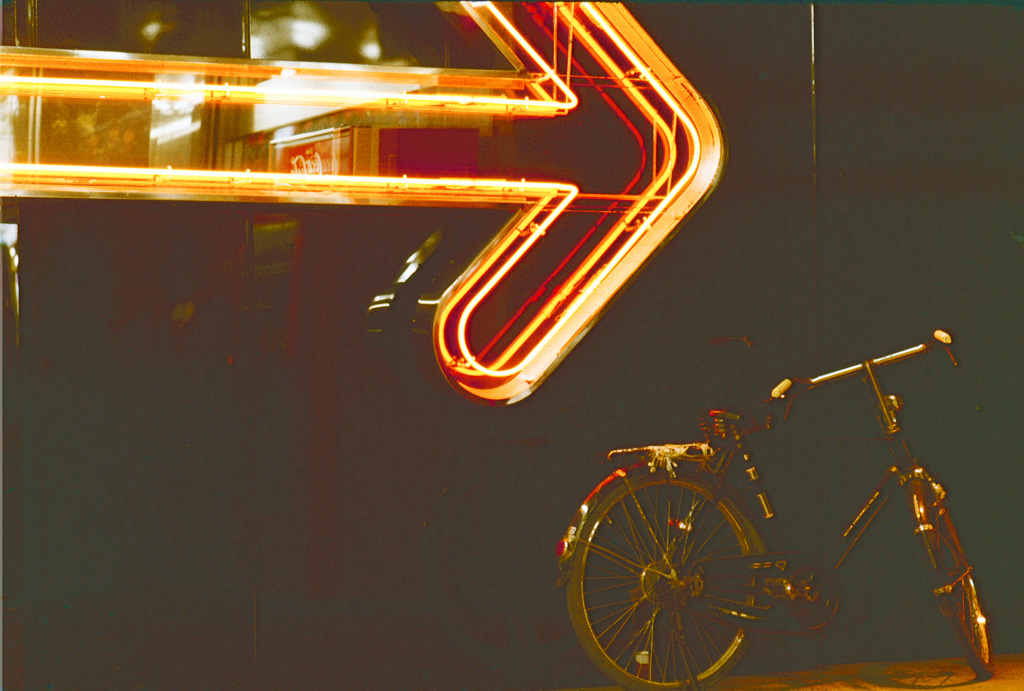
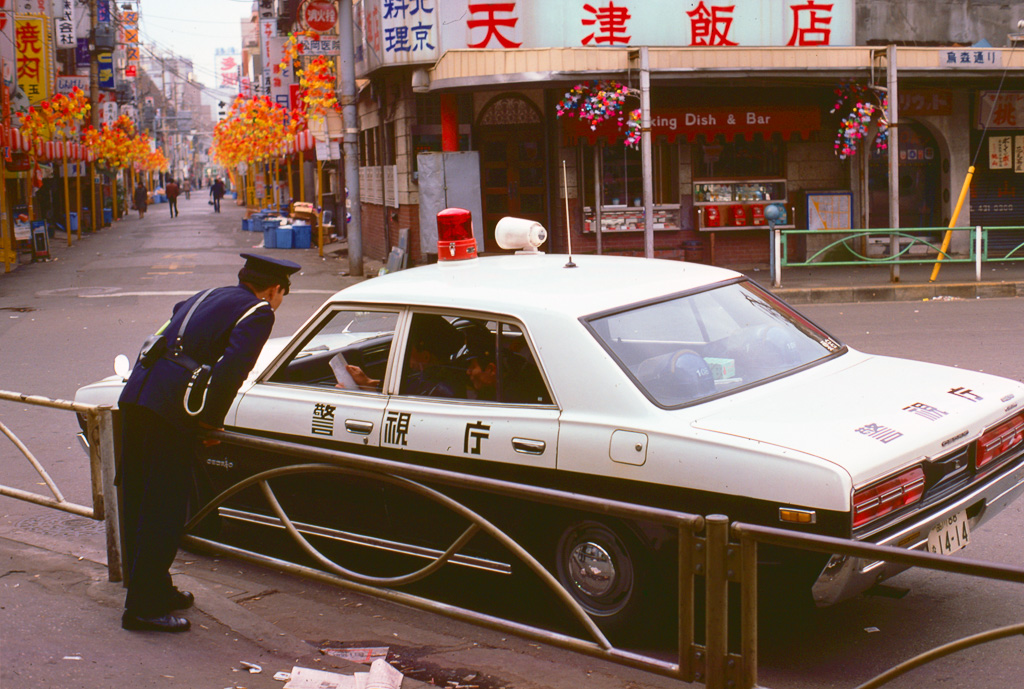
Bicycle patrols are much more common than police cars, and are able to reach into streets too narrow for cars
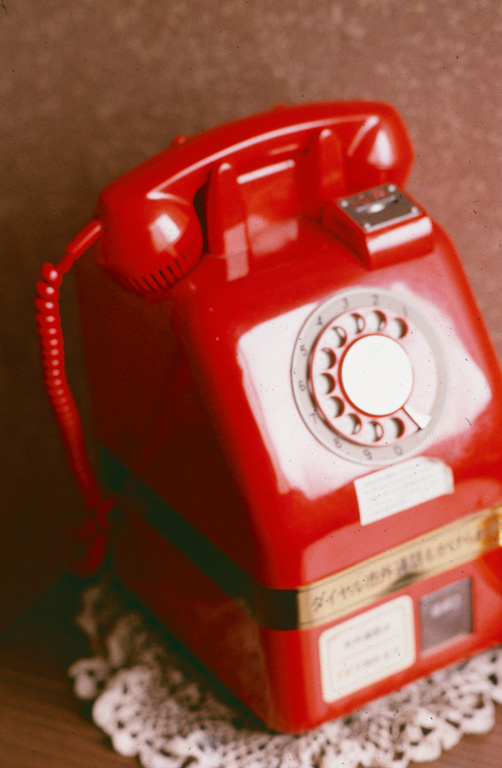
Red coin phones were for local calls only; other colors were for longer distances.
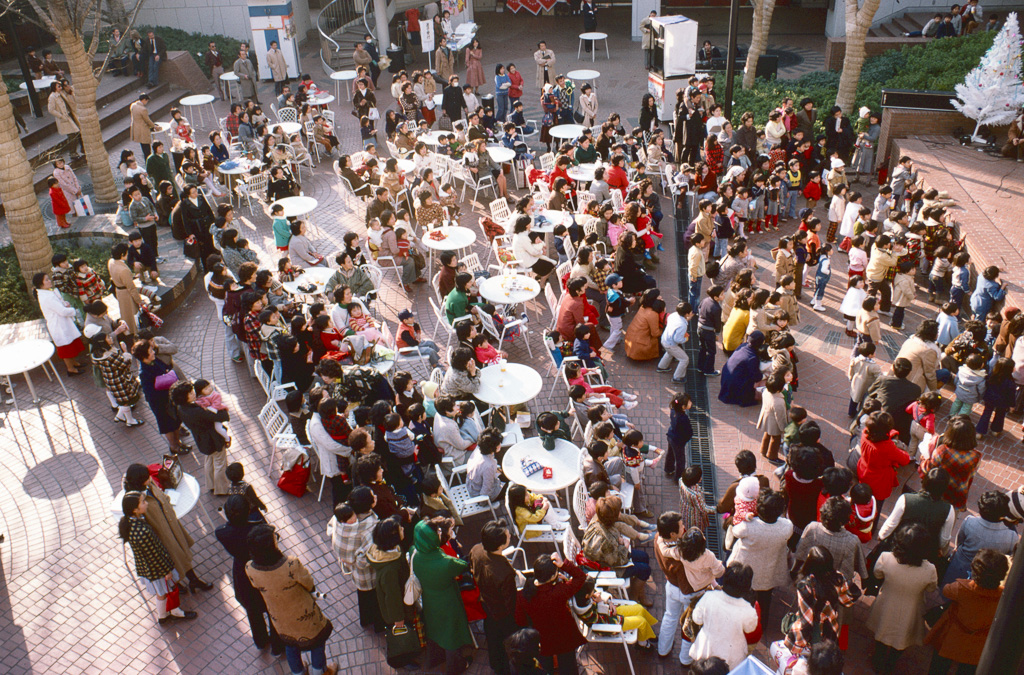
Outdoor dining on a pedestrian-only weekend day
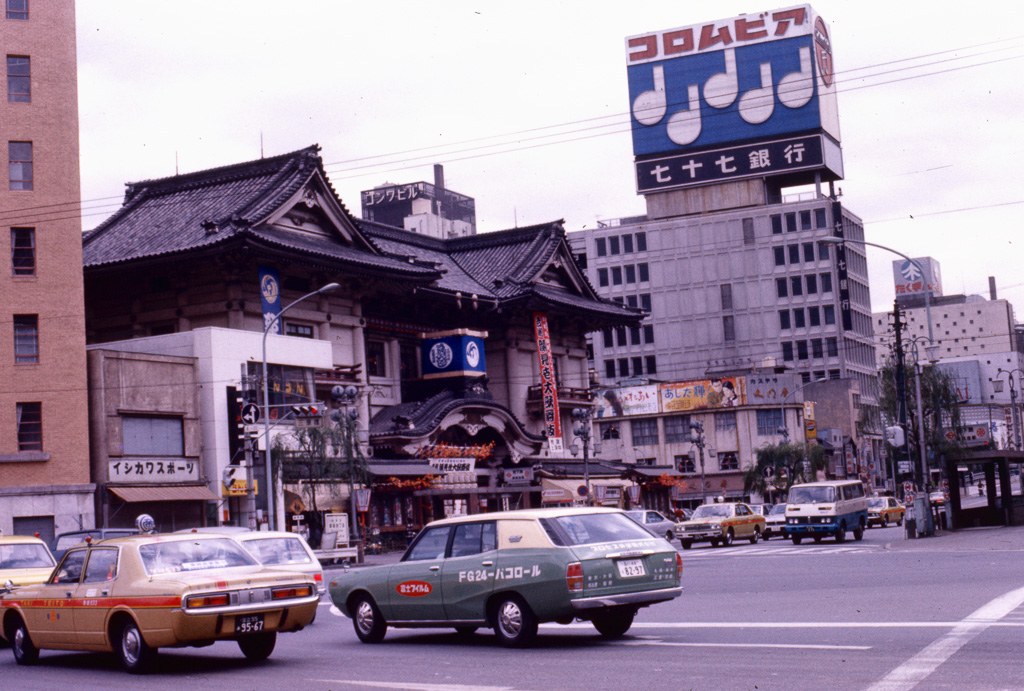
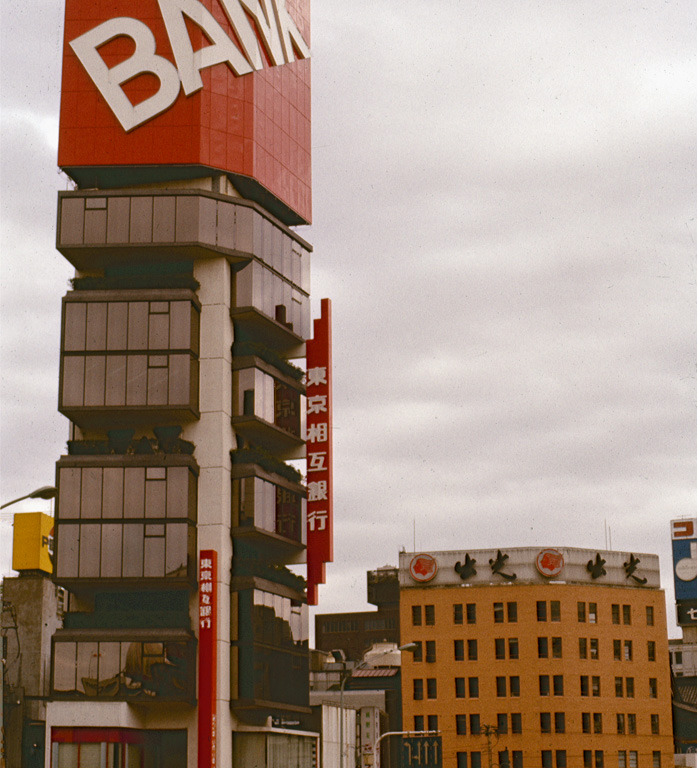
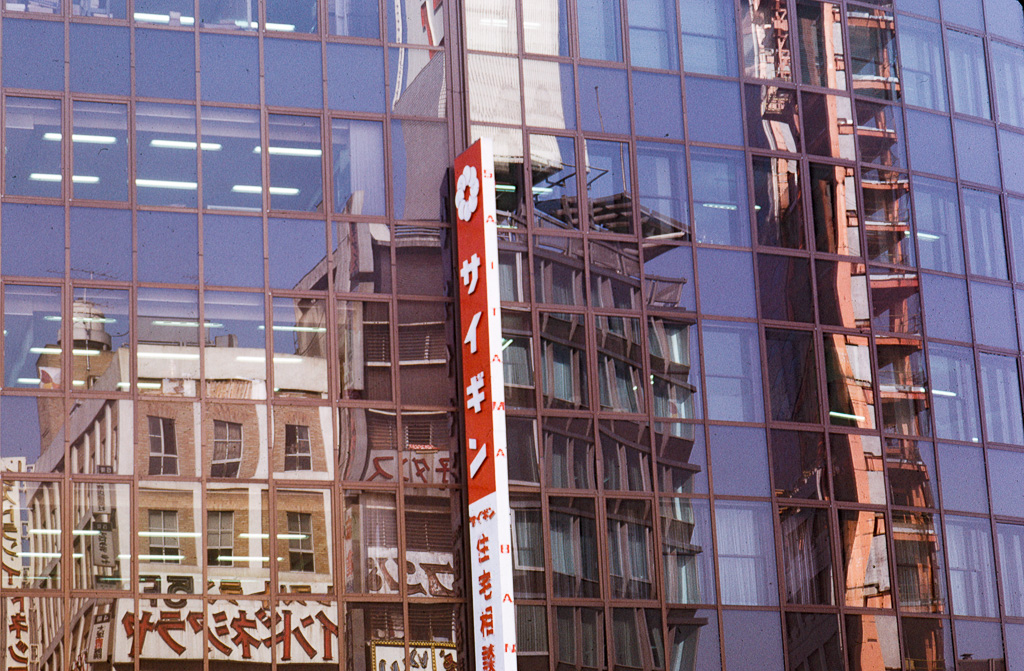
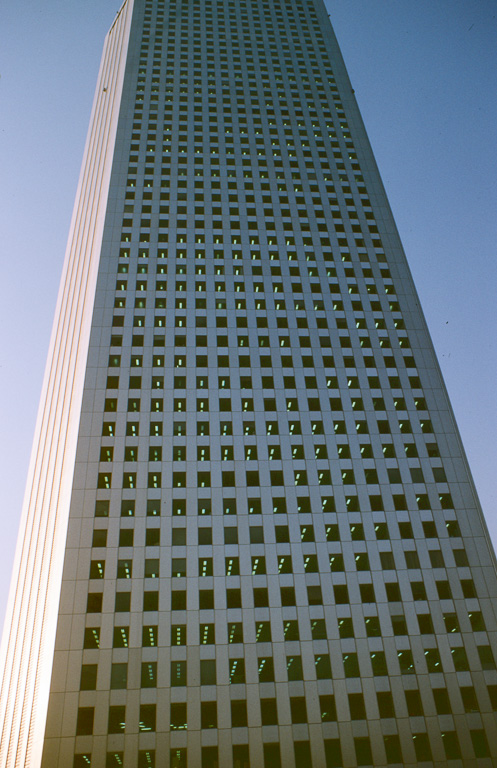
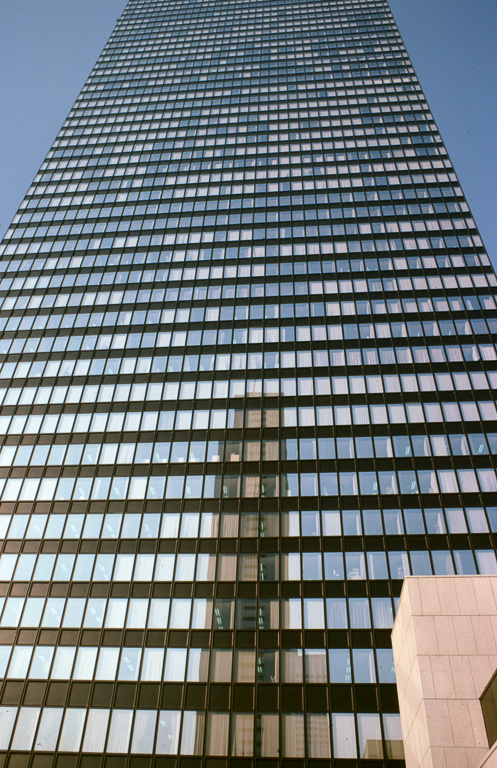
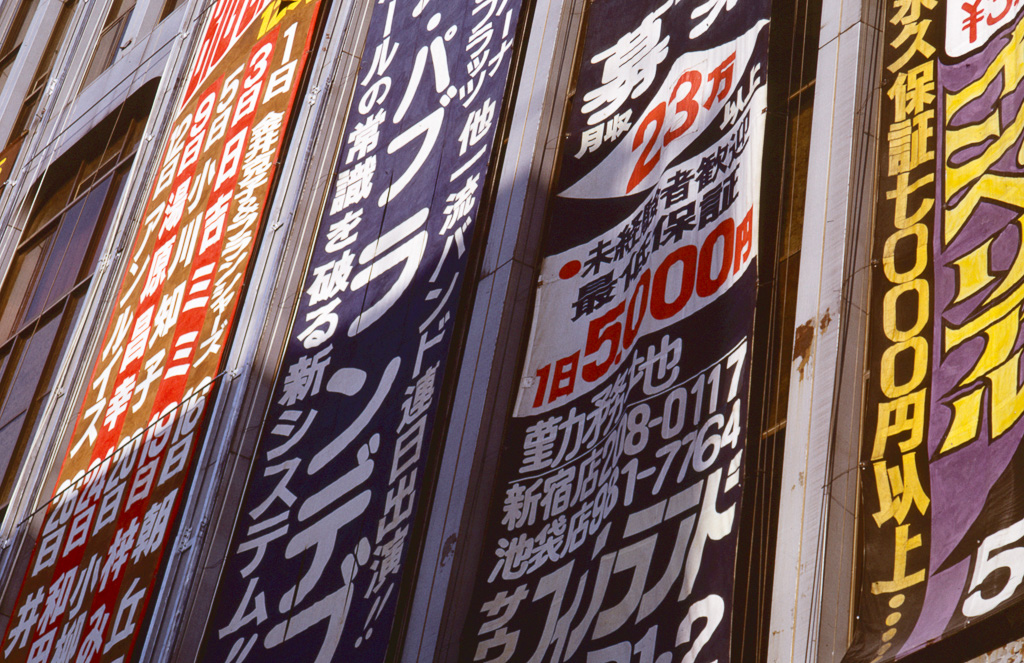
Commercial architecture strange and rare. Decades later, Tokyo would set the tone for new cities on the Chinese mainland..
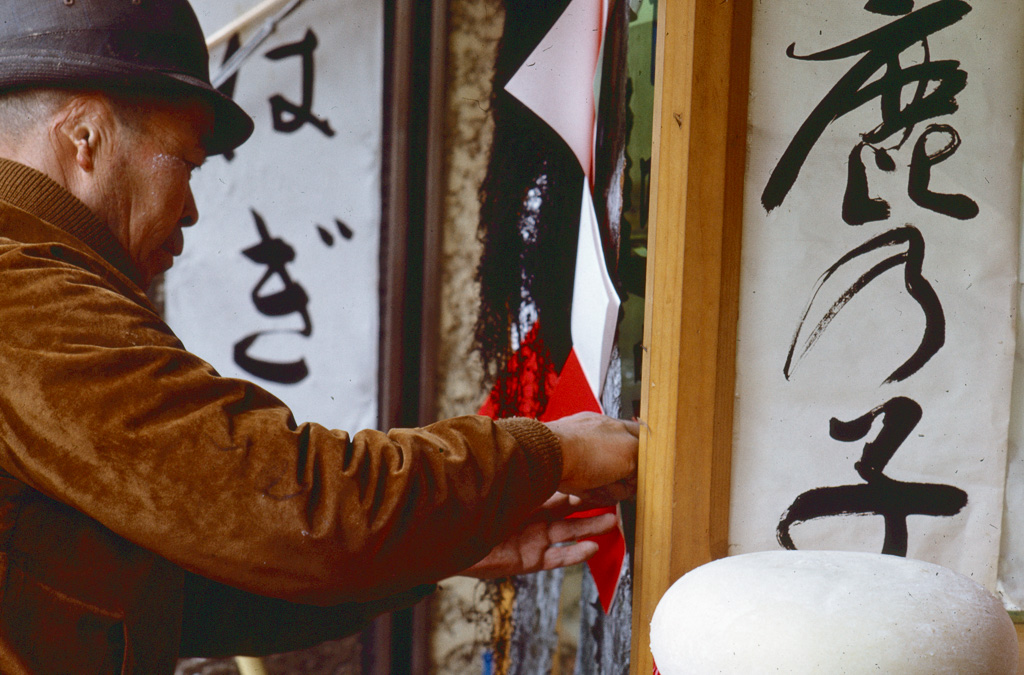
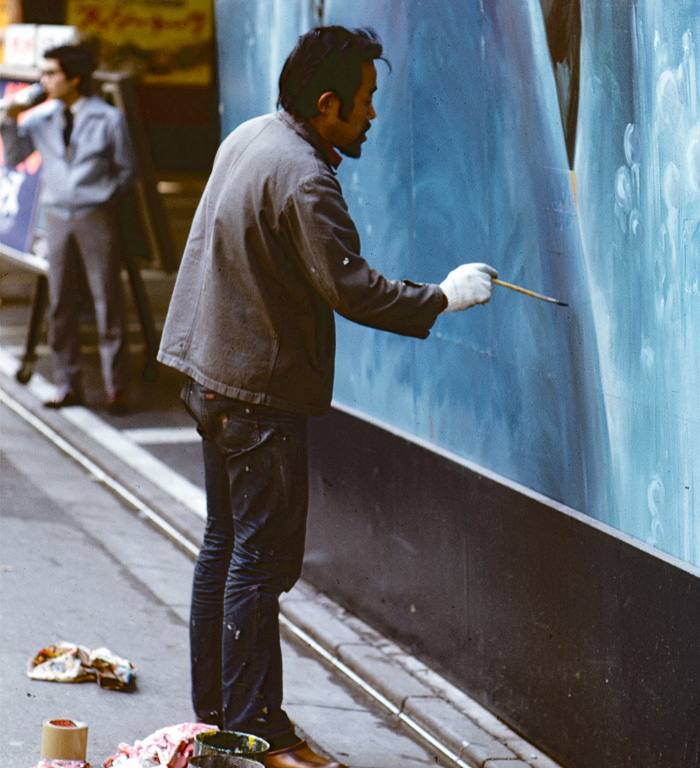
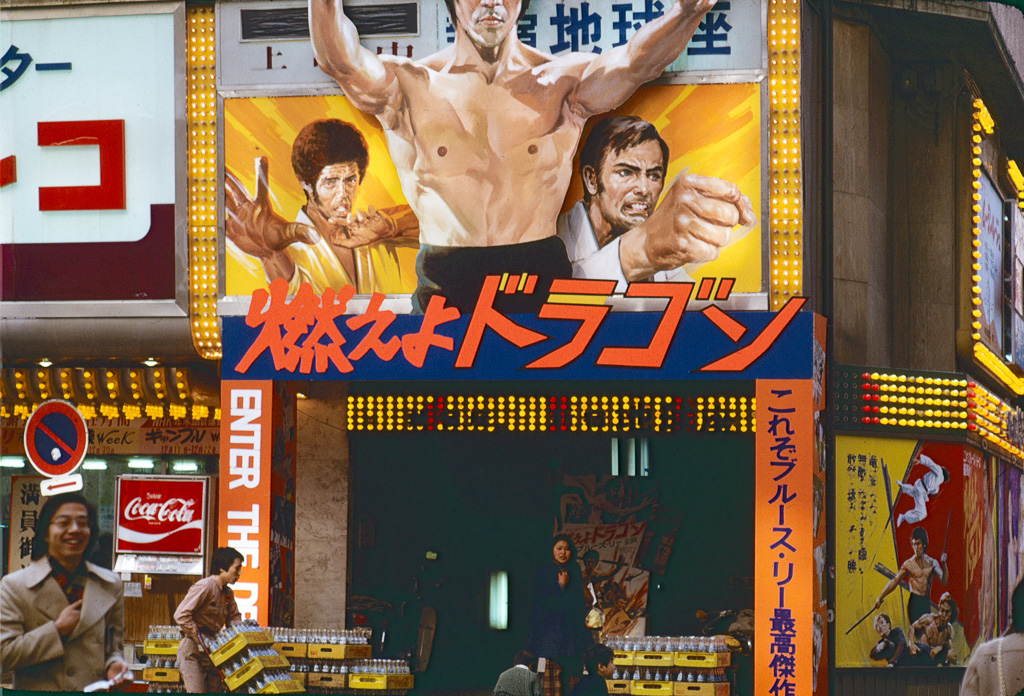
Hand-painting a movie poster! This one advertised “Jaws.”
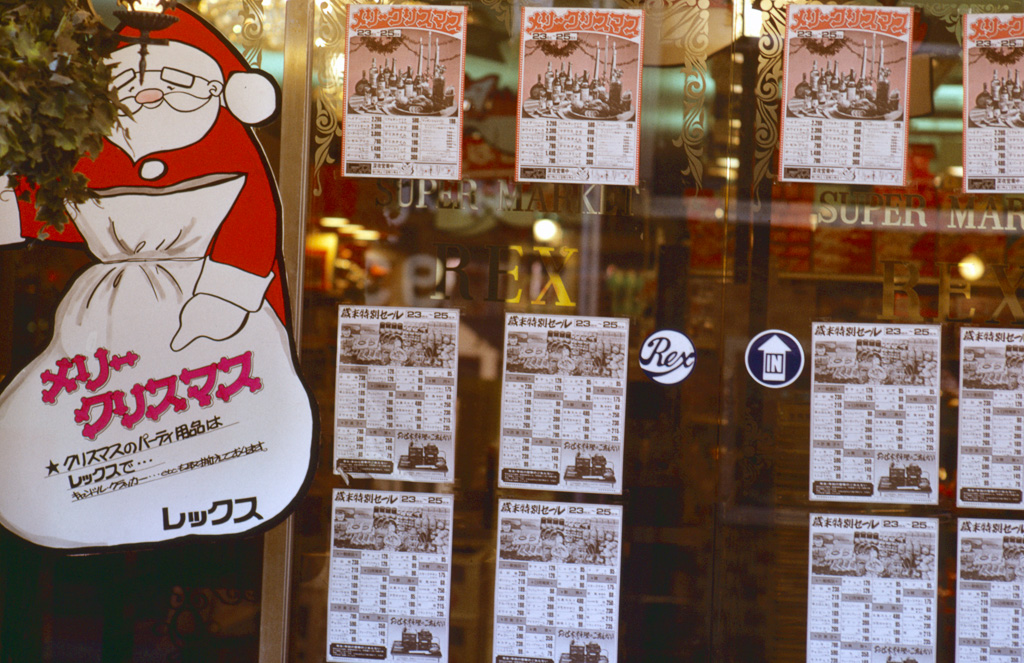
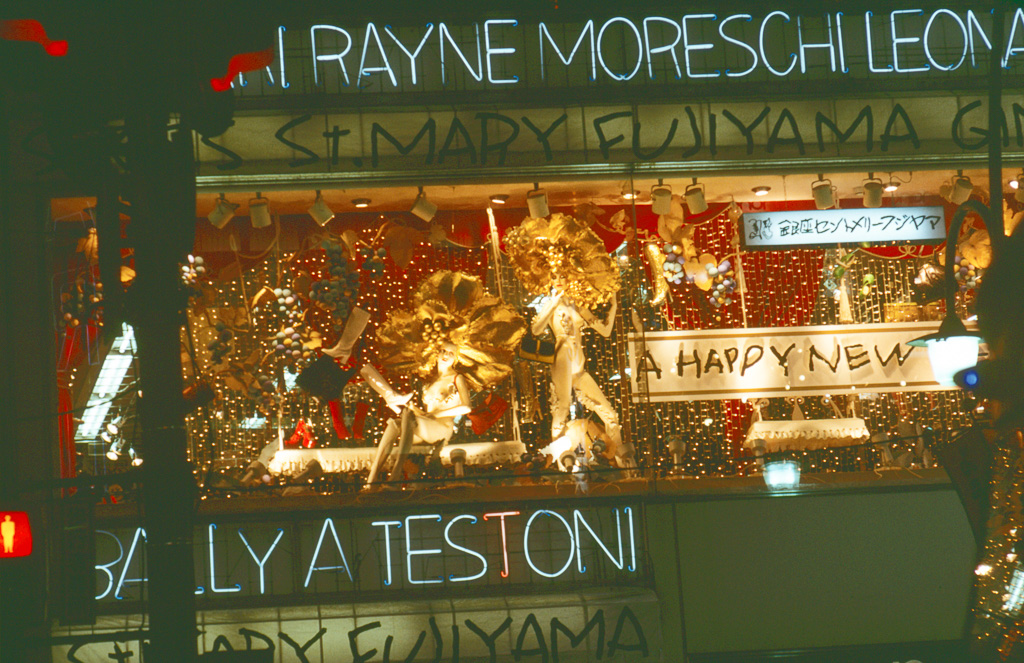
Though Christmas is not an element of any local religious observance, the secular holiday is observed by every commercial retailer – and not just for tourists.
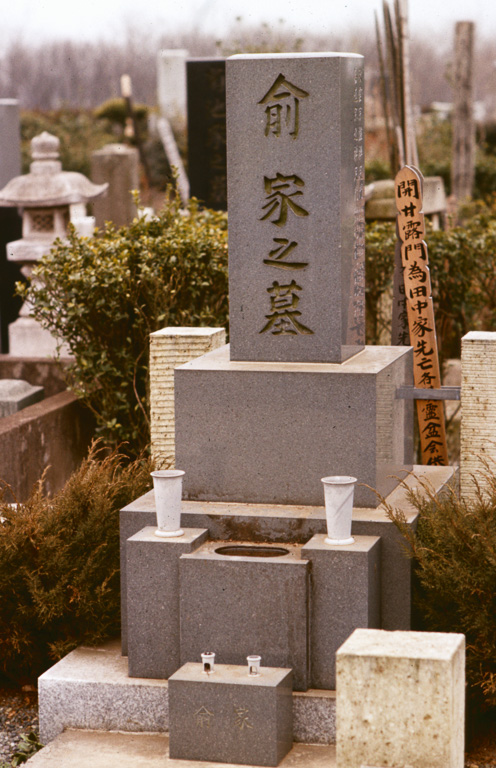
Cemeteries are oases of peace in the big city

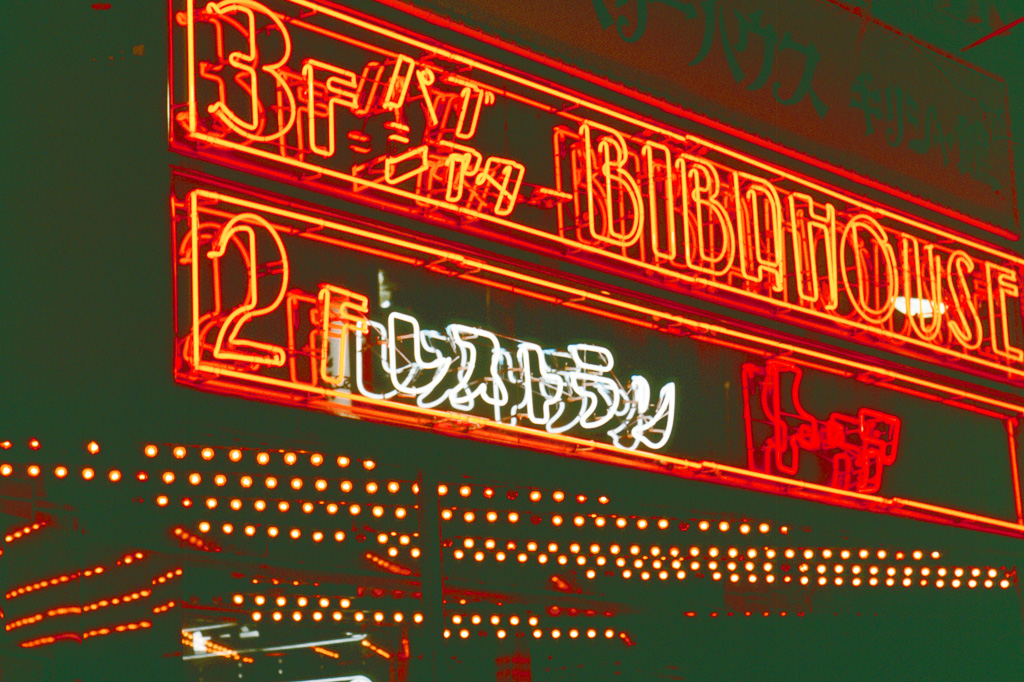
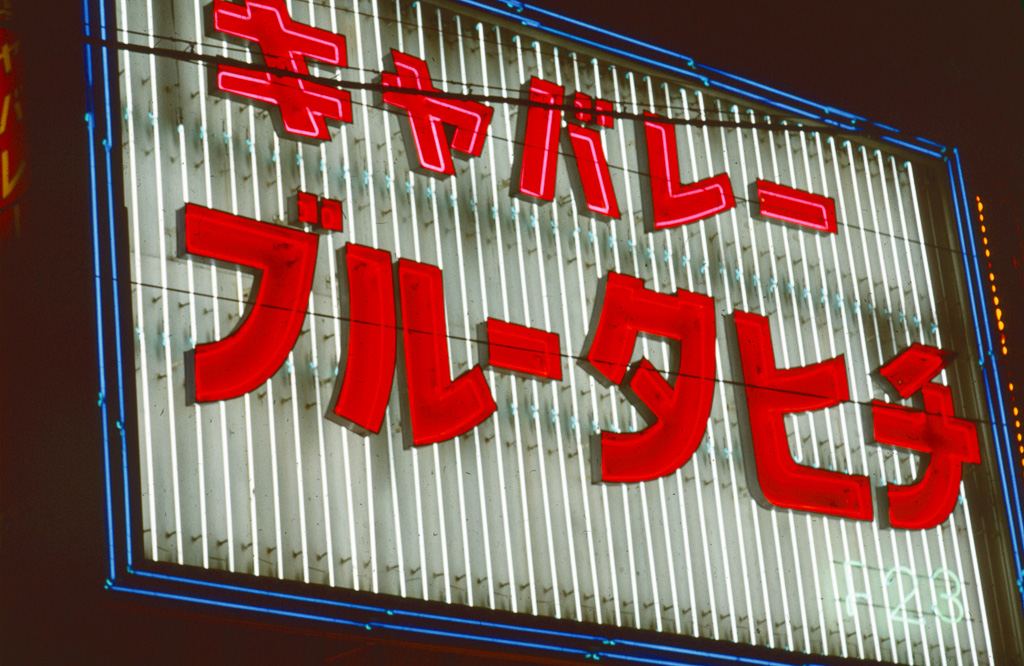
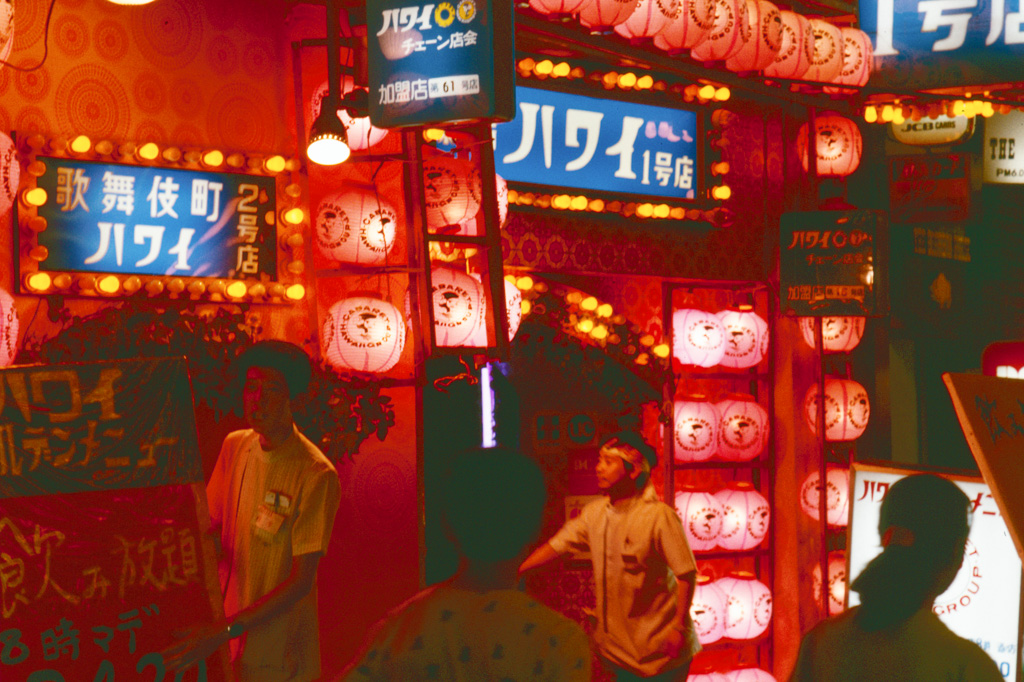
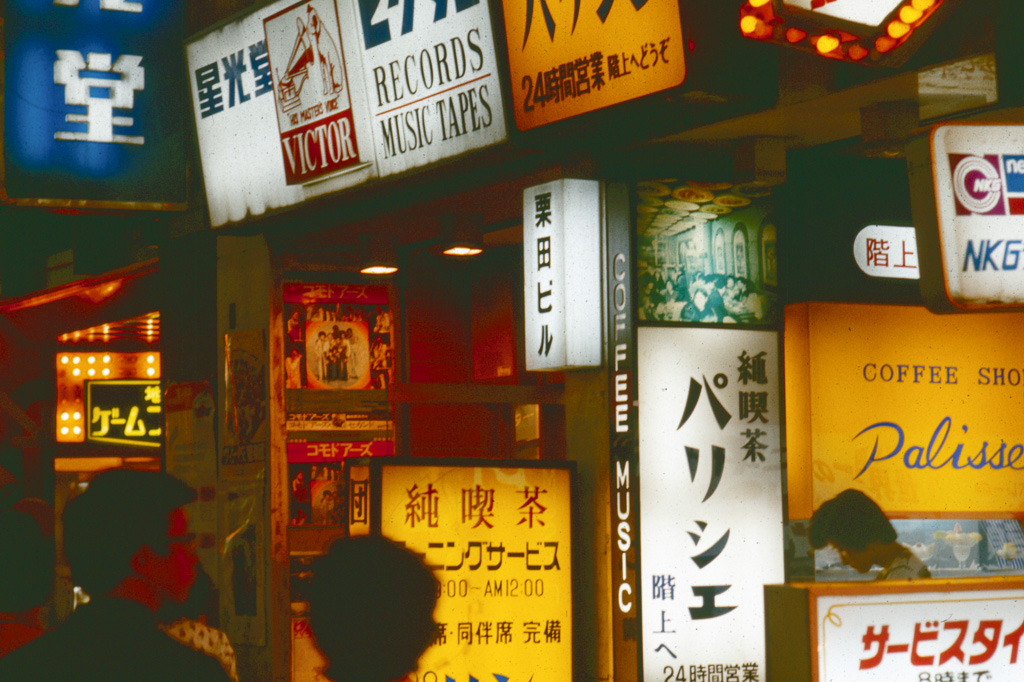
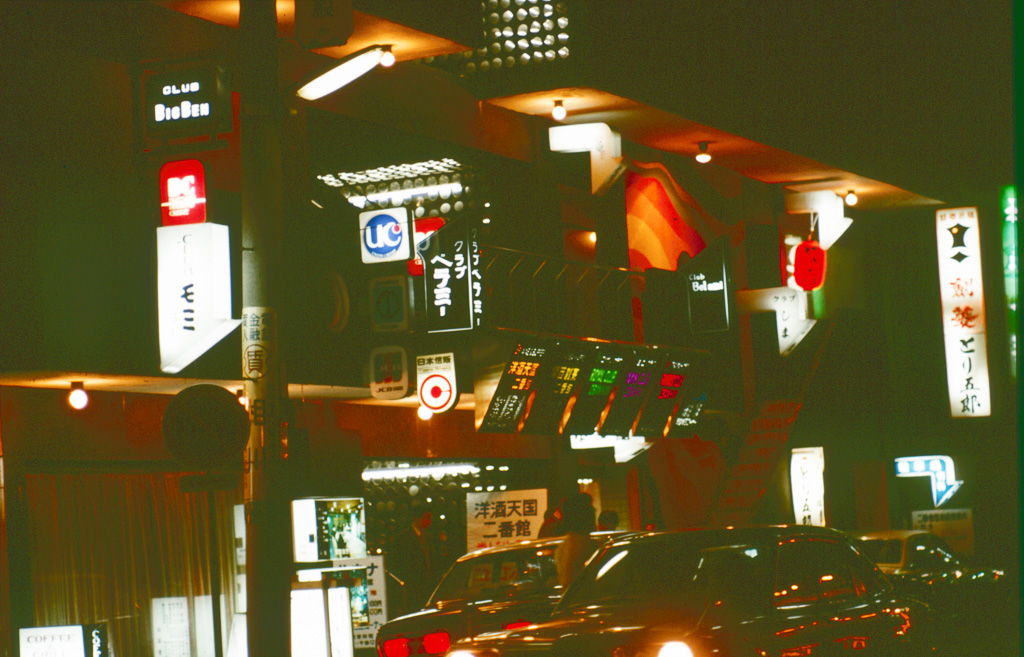
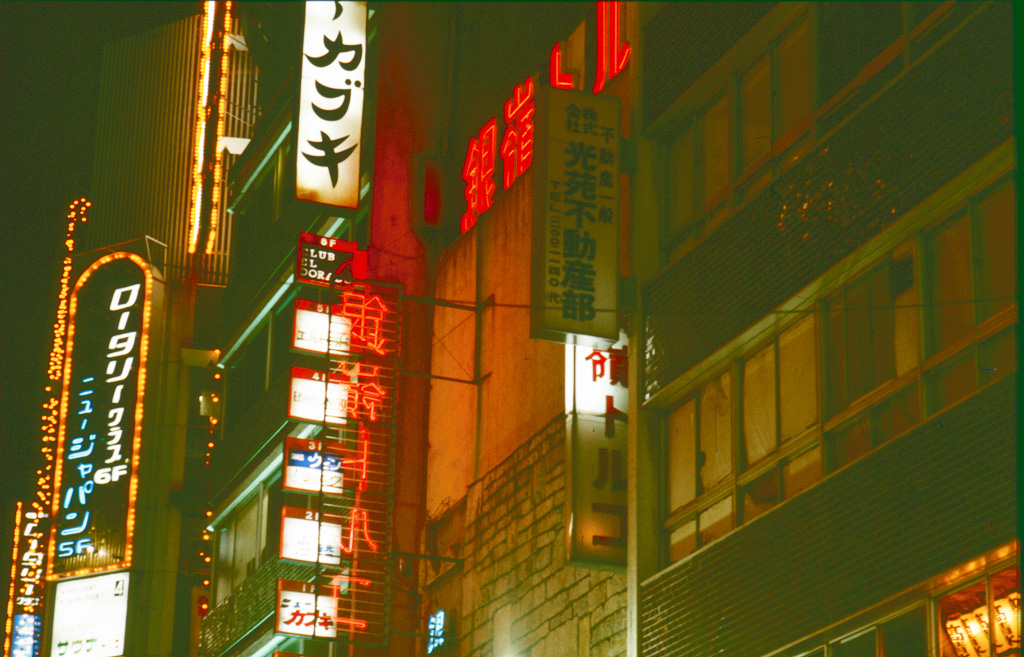
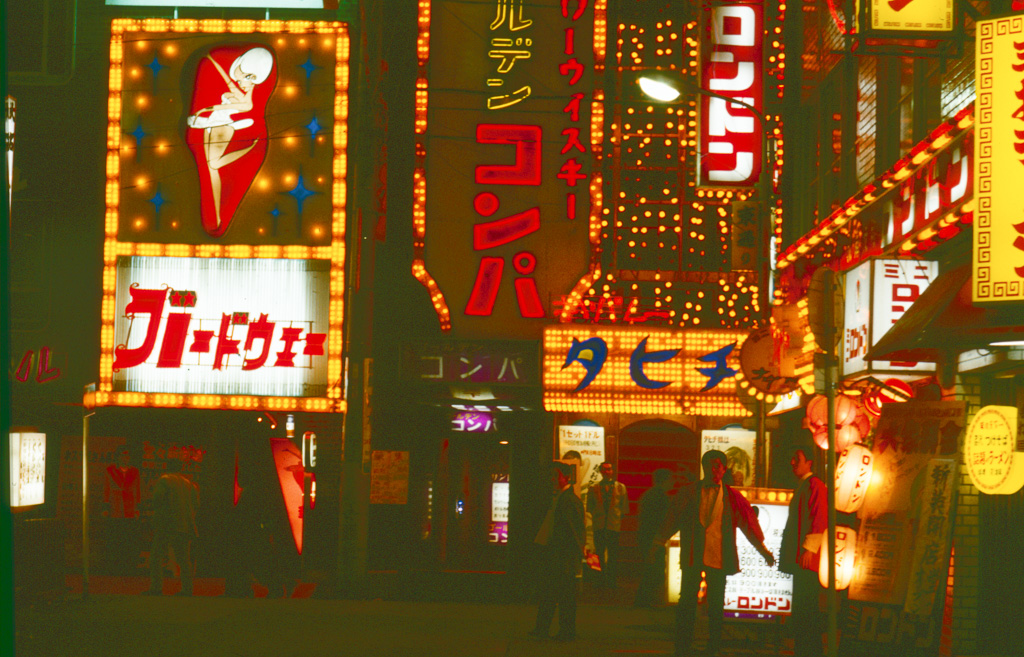
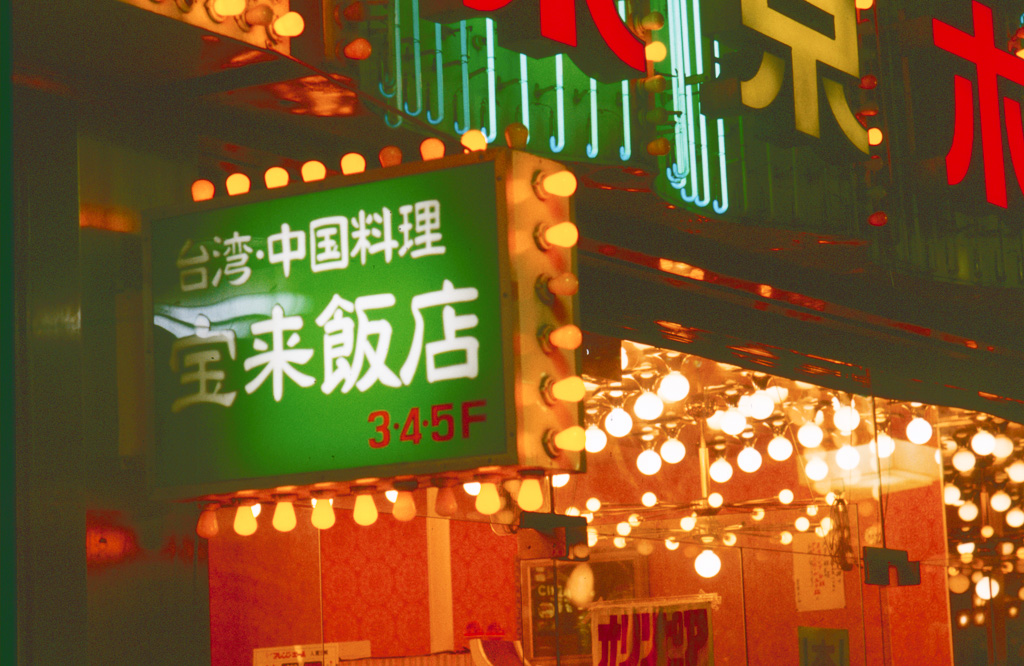
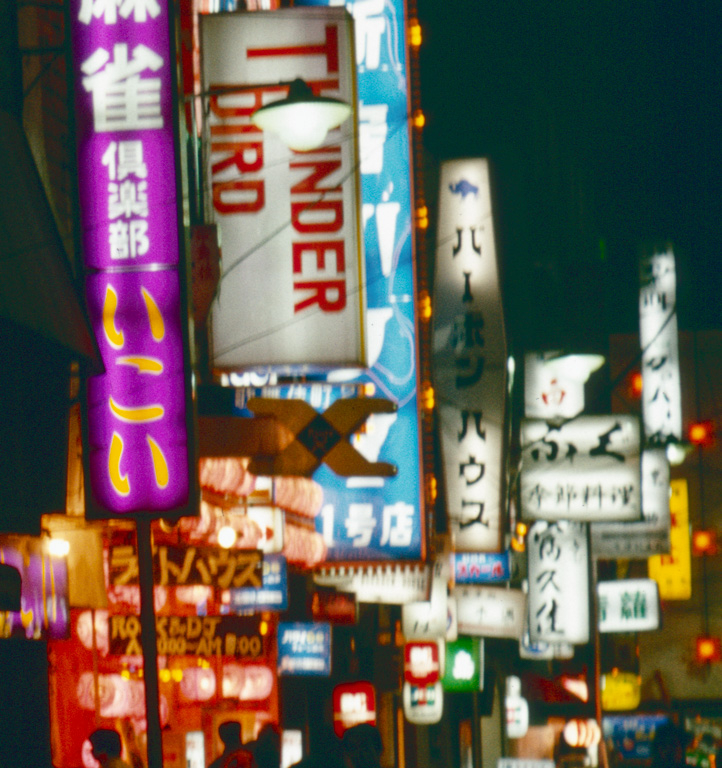
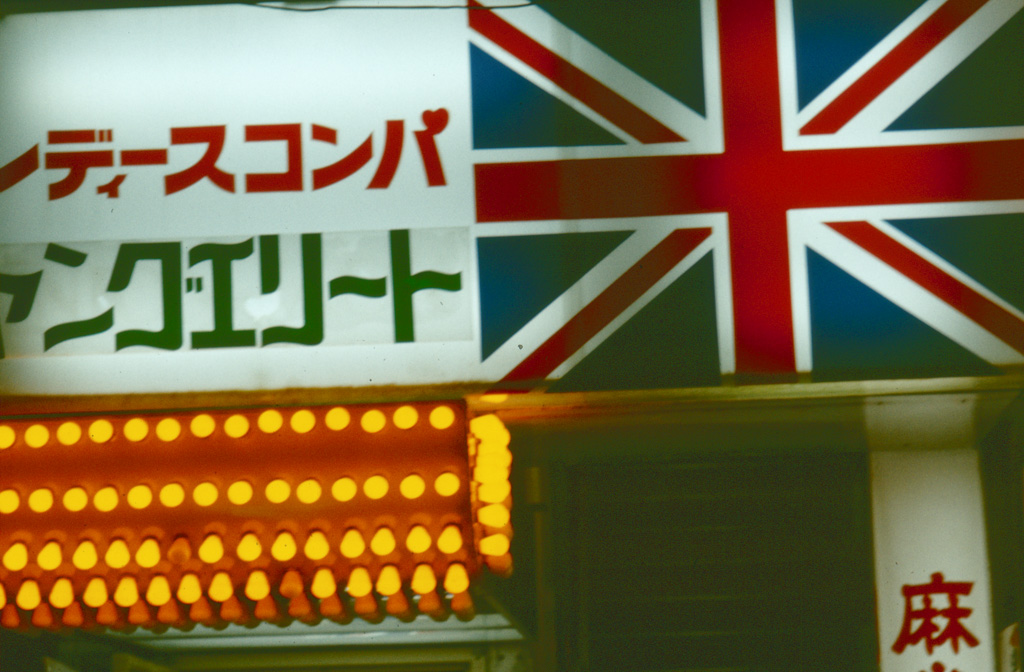
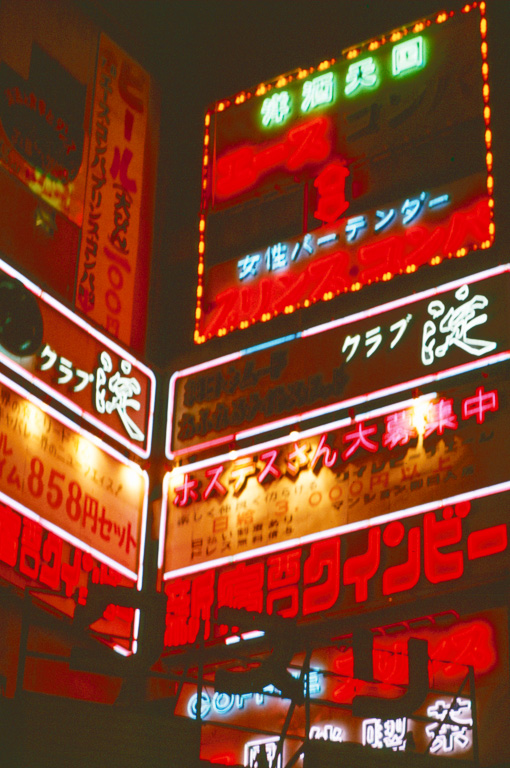
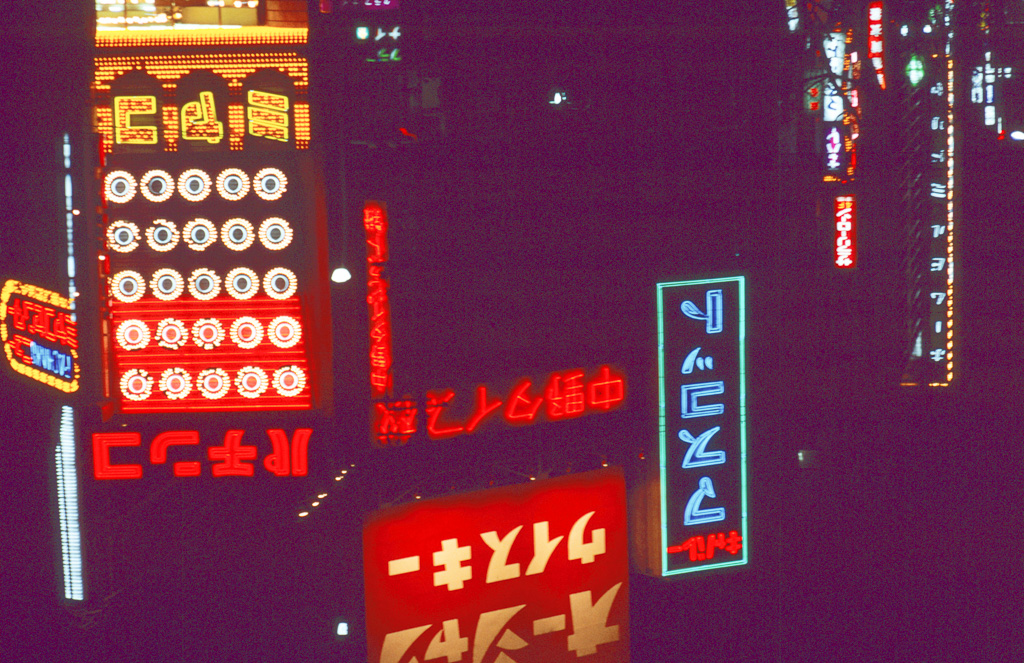
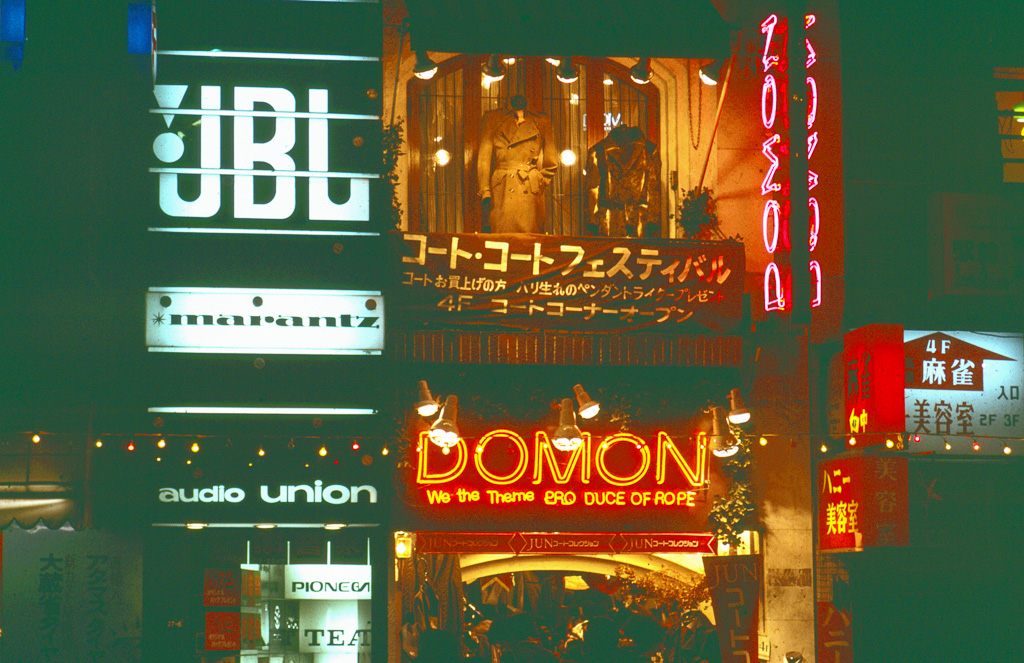
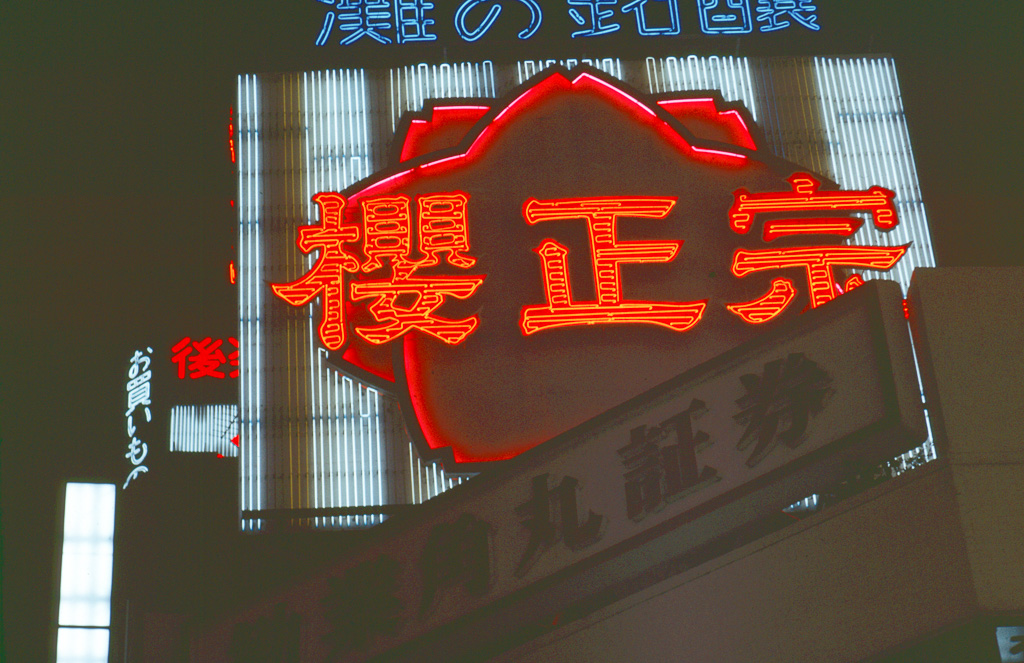
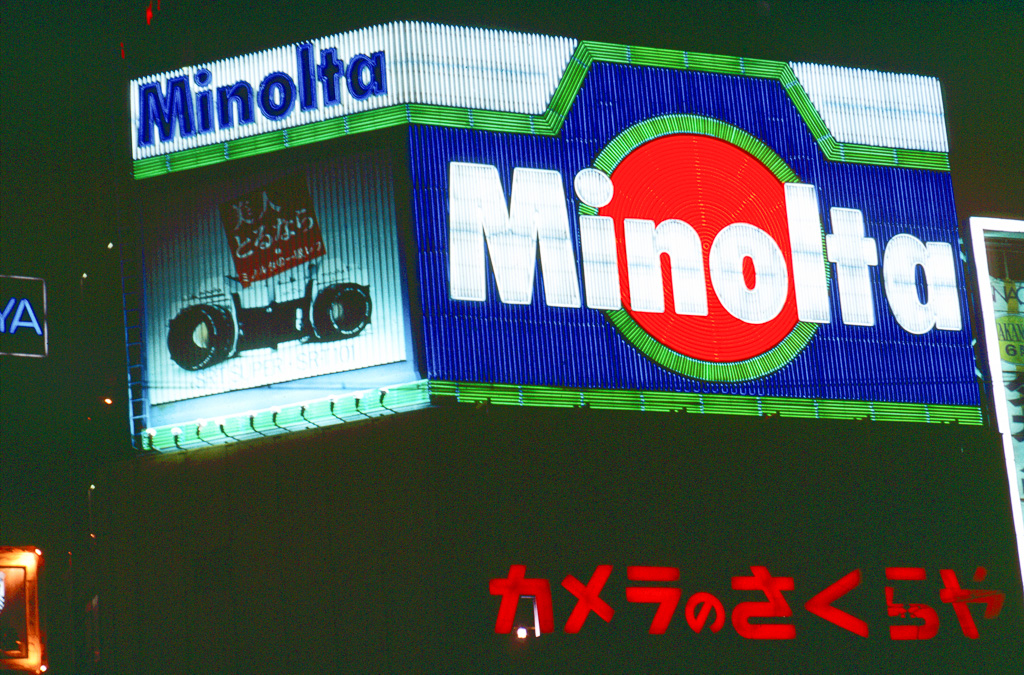
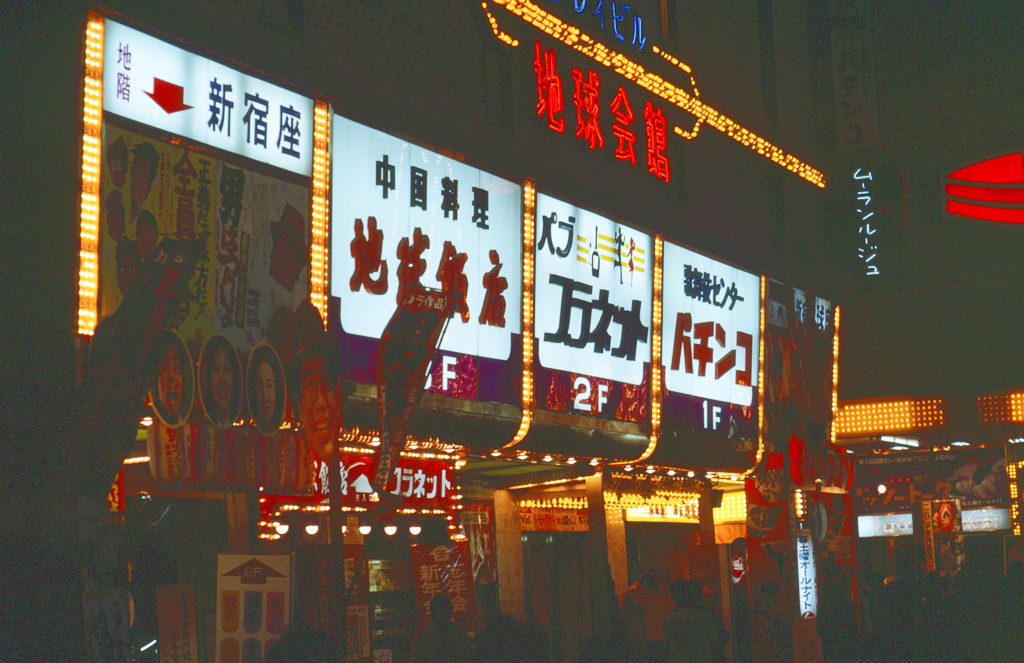
Tokyo by night

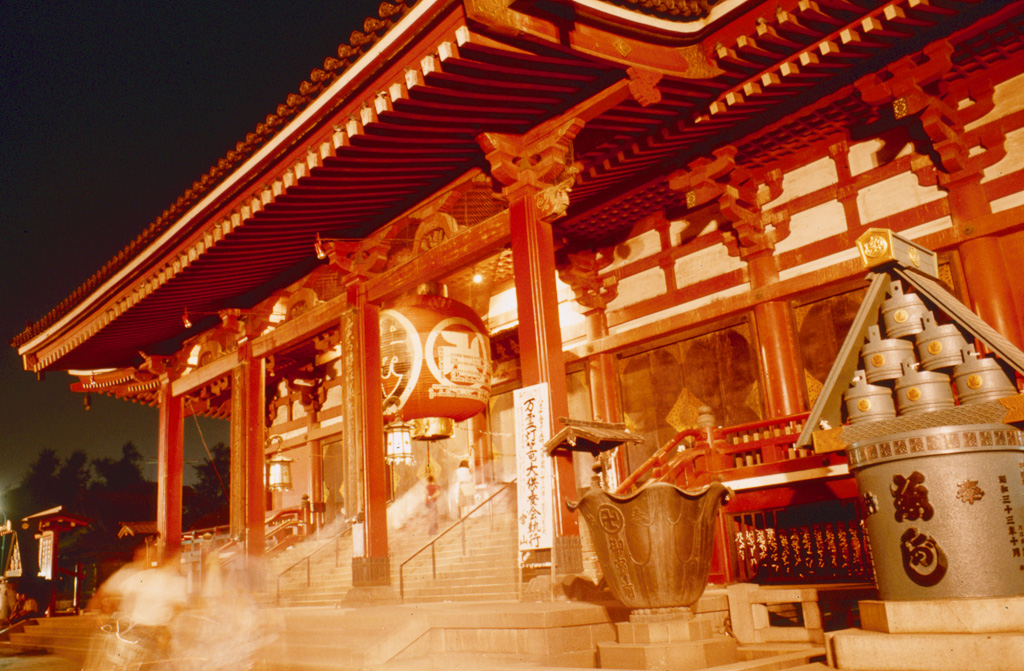
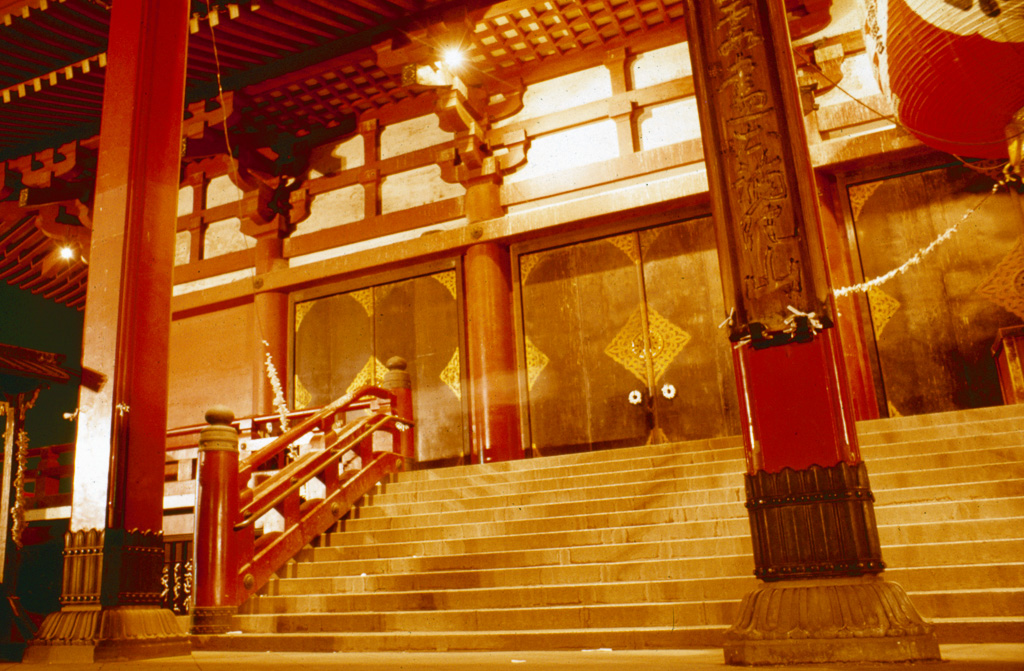
Night views of Asakusa temple district after bon, the summer Festival of Ancestors.
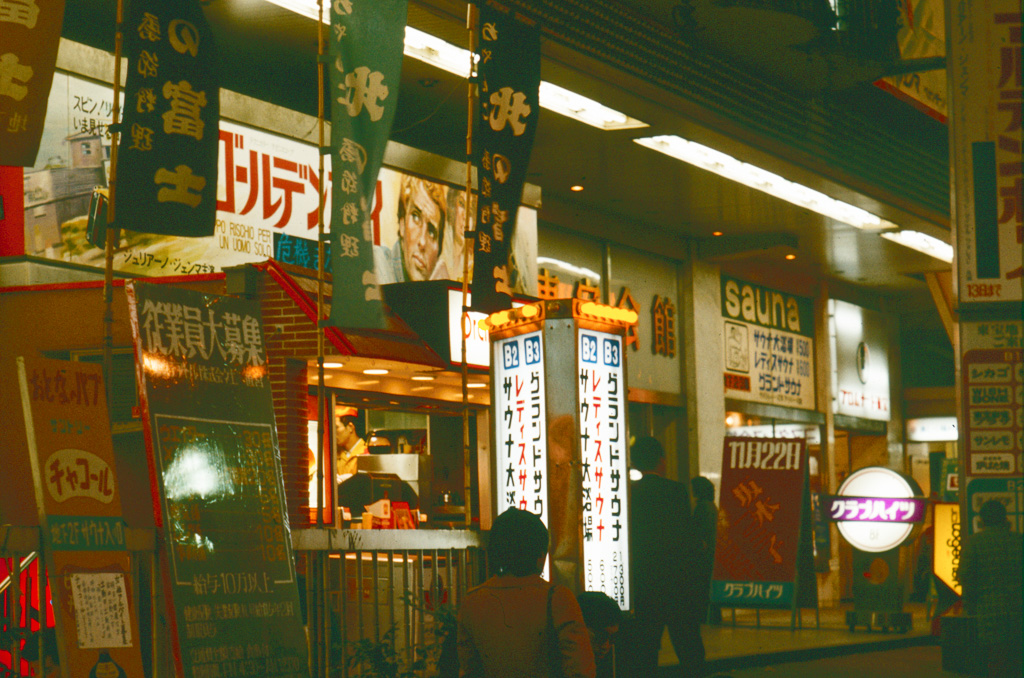
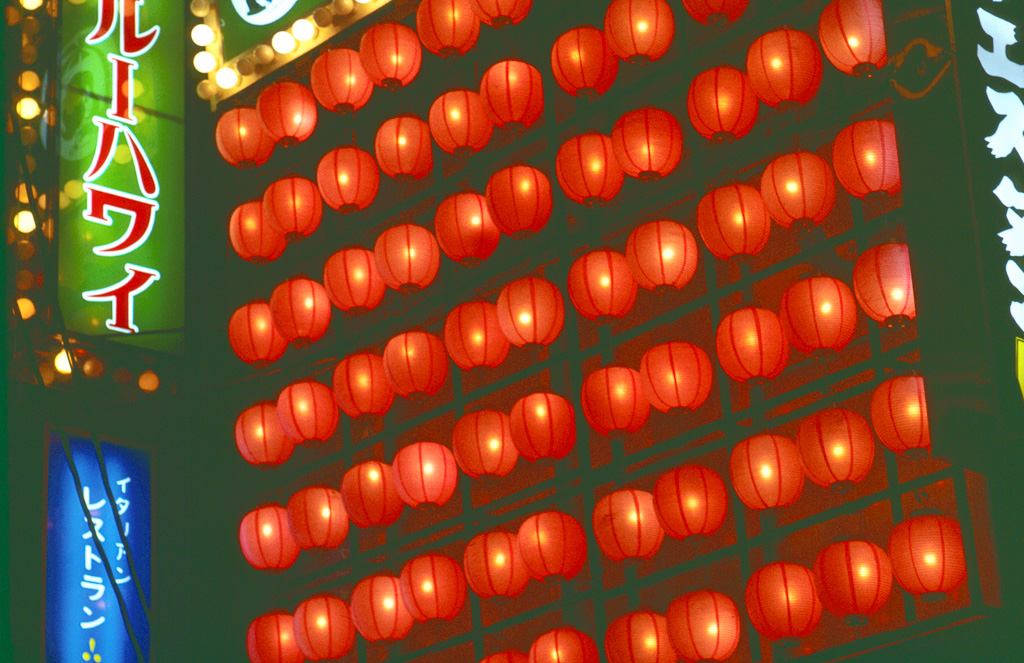
The Roppongi bar district
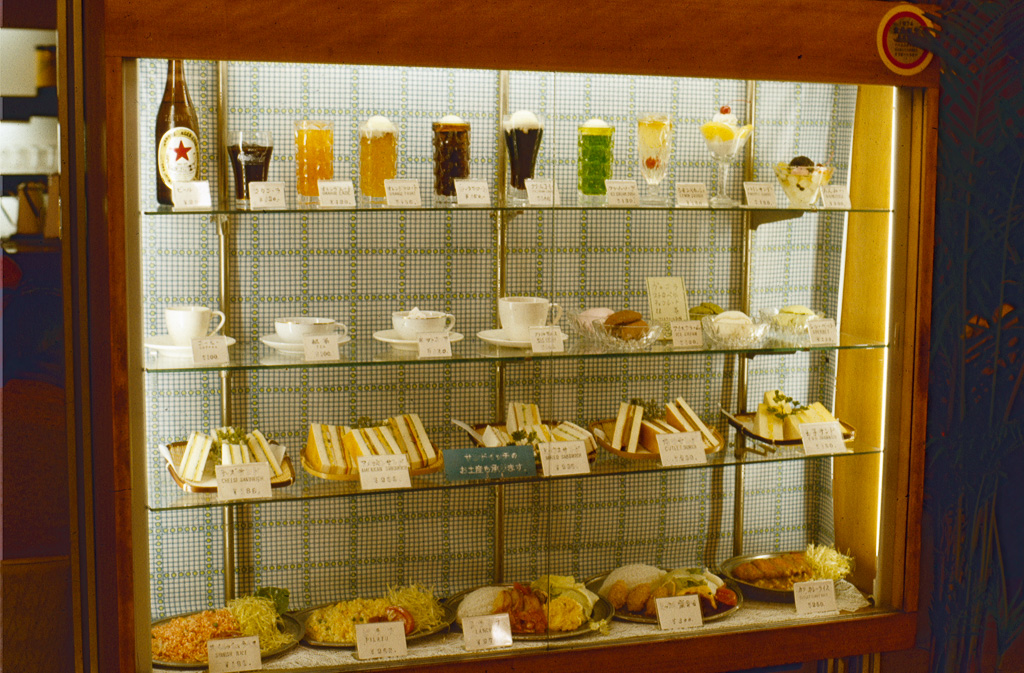
Many smaller restaurants use plastic models of their dishes to entice customers. There is a special district in Tokyo, Kappabashi, dedicated to making these replicas.
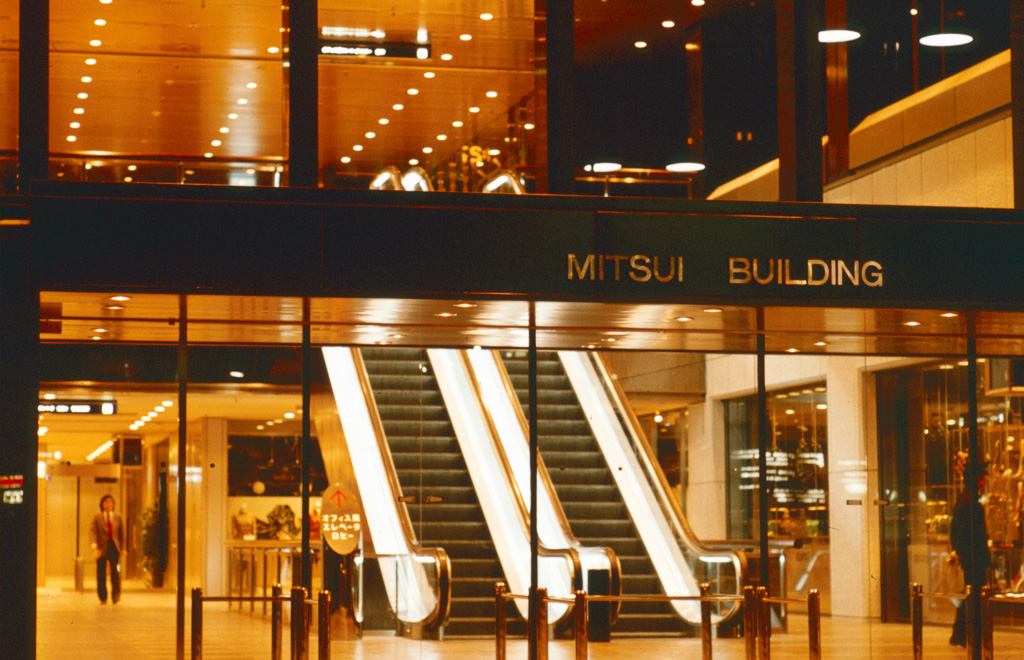
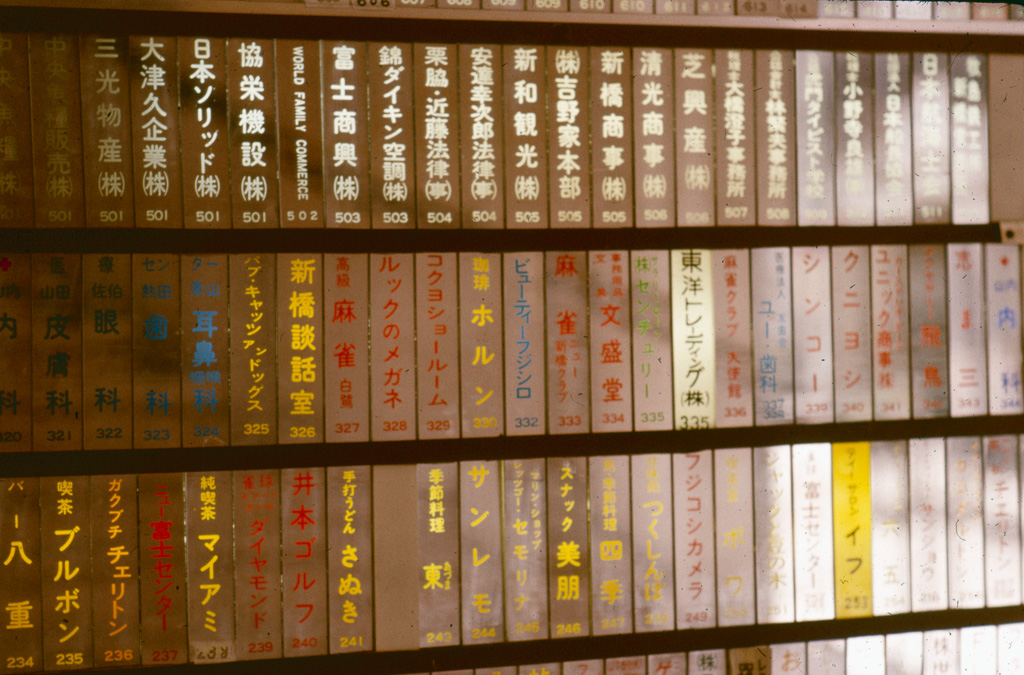
This is the tenant directory in an office building
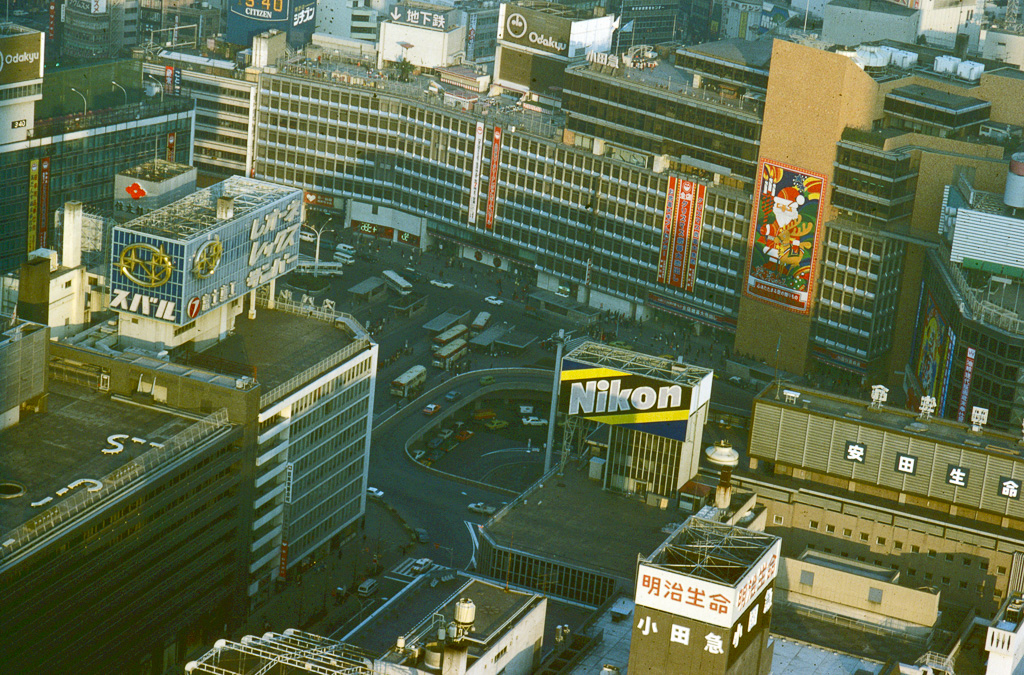
The front side of Shinjuku Station, largest and busiest in the world. Today it served 4 million passengers a day, has 16 rail lines, 35 platforms andmhas 200 entrances.
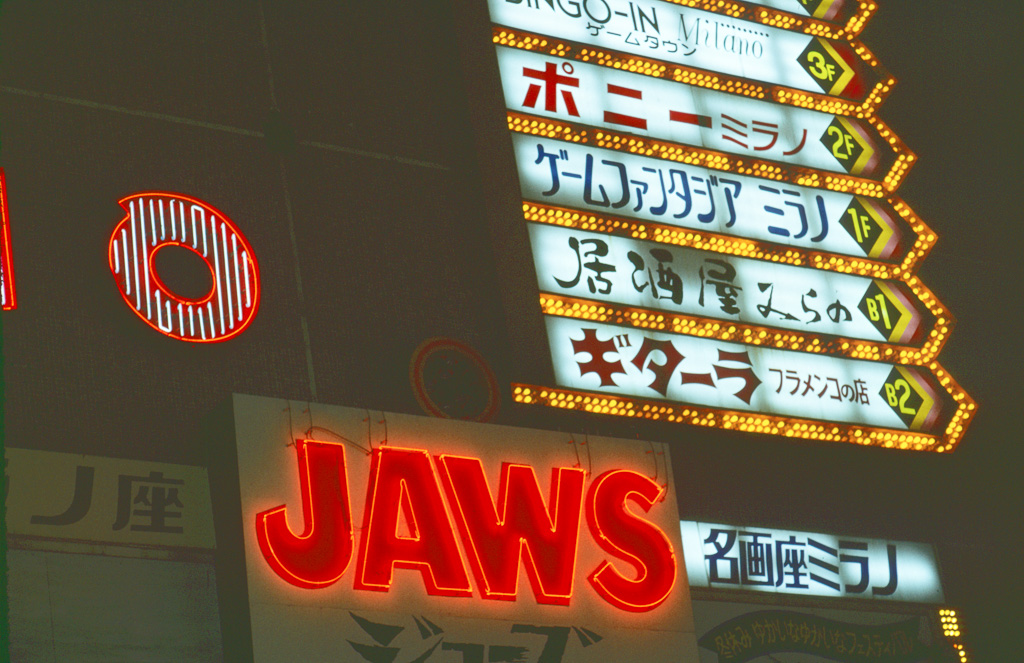
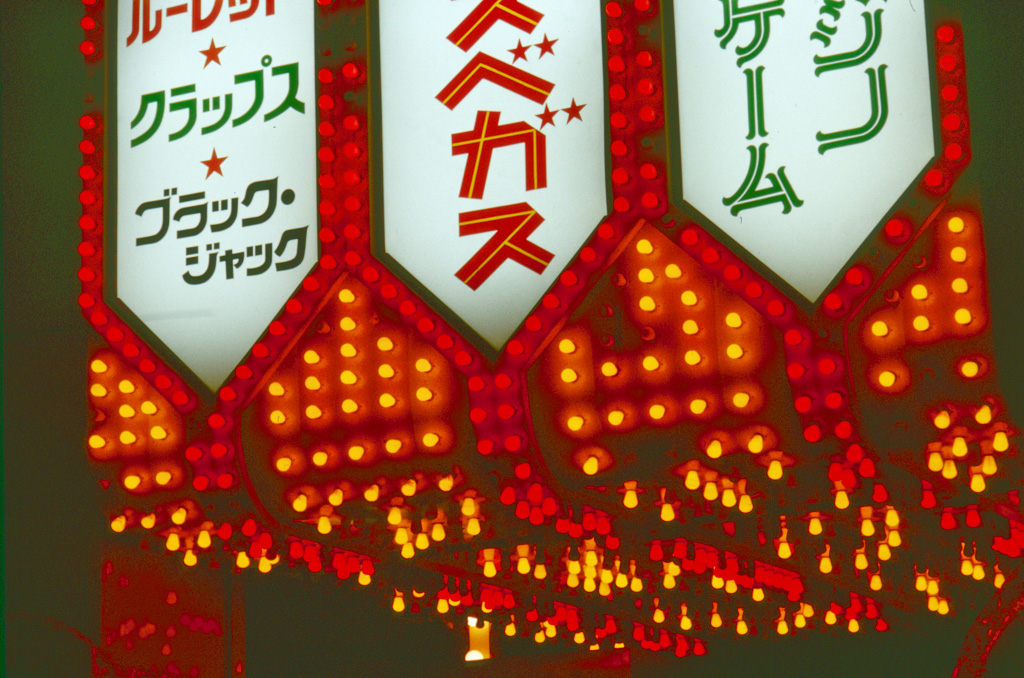
A game arcade
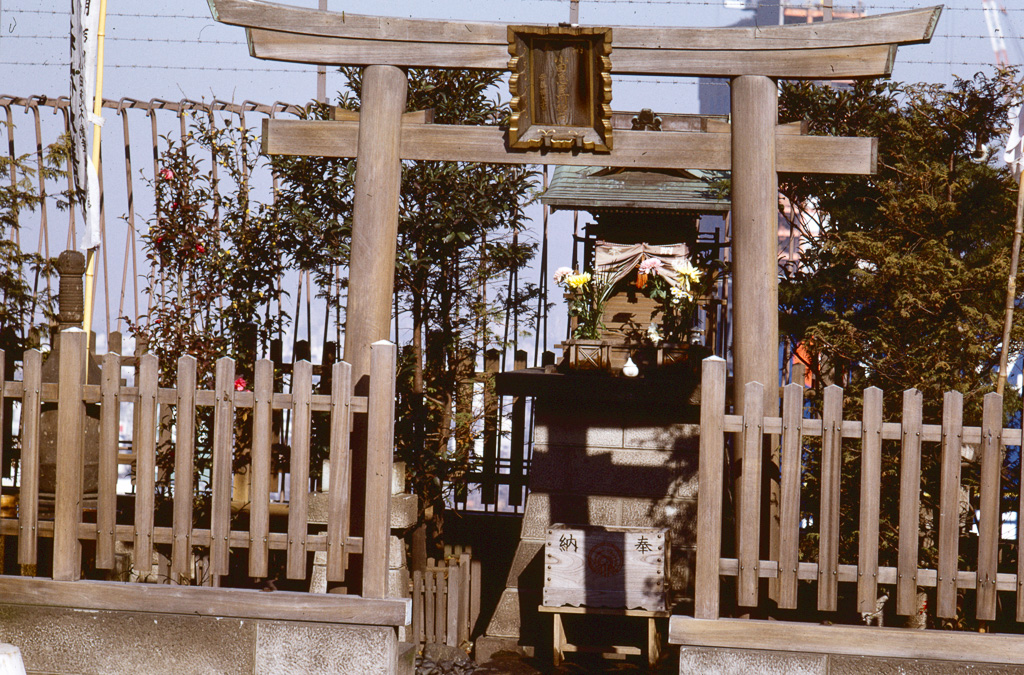
Rooftop shrines on some large department stores offer tranquility in the urban environment
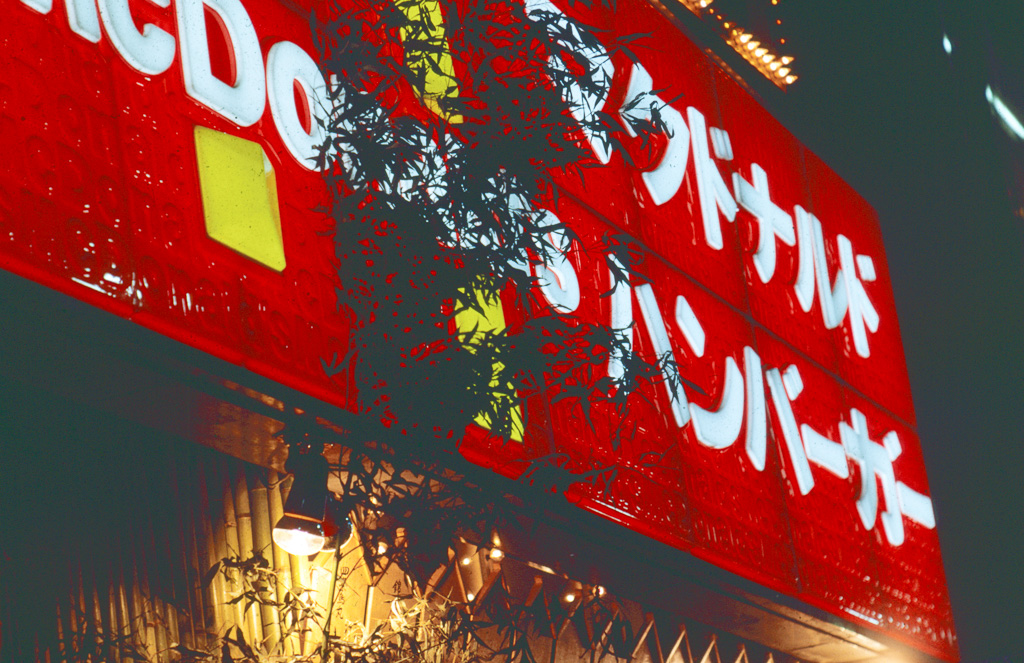
For Americans, a familiar spot with unfamiliar fast food


Tokyo in winter

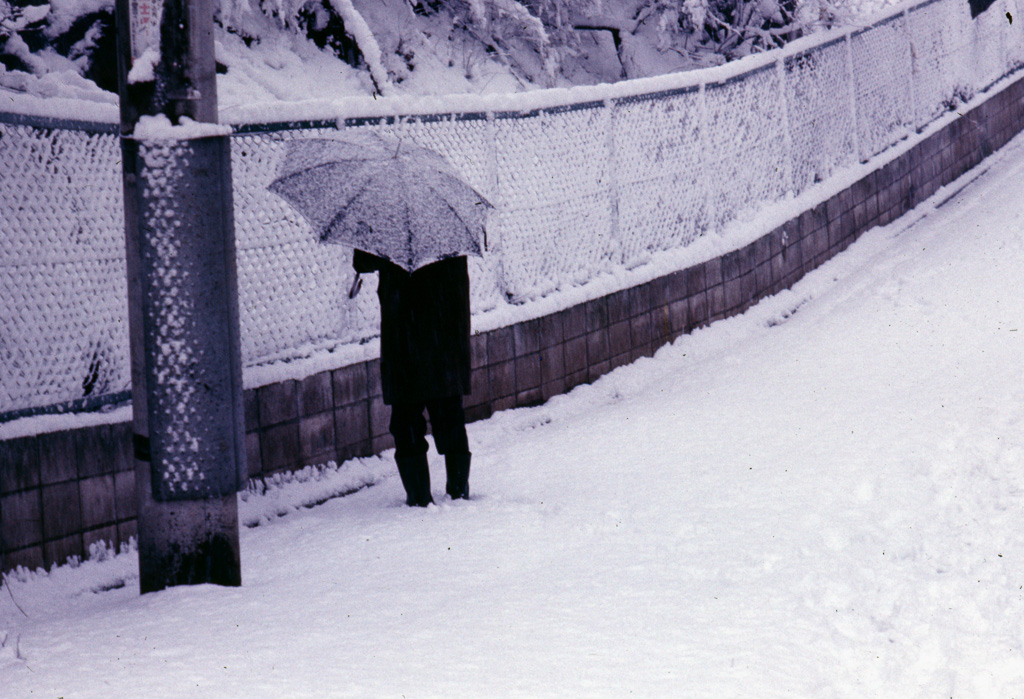
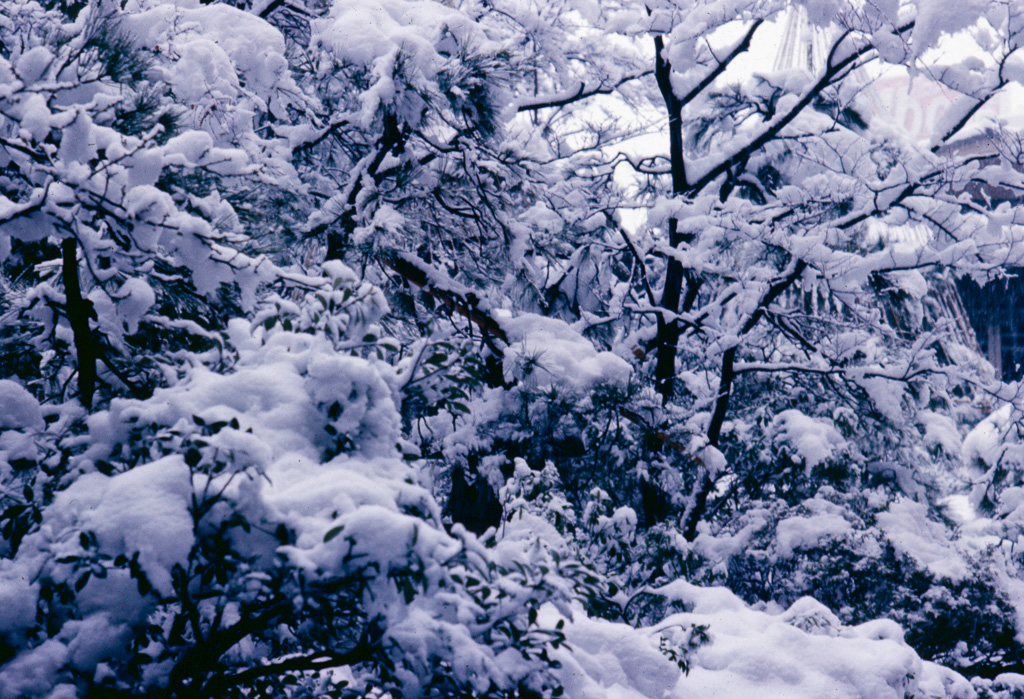
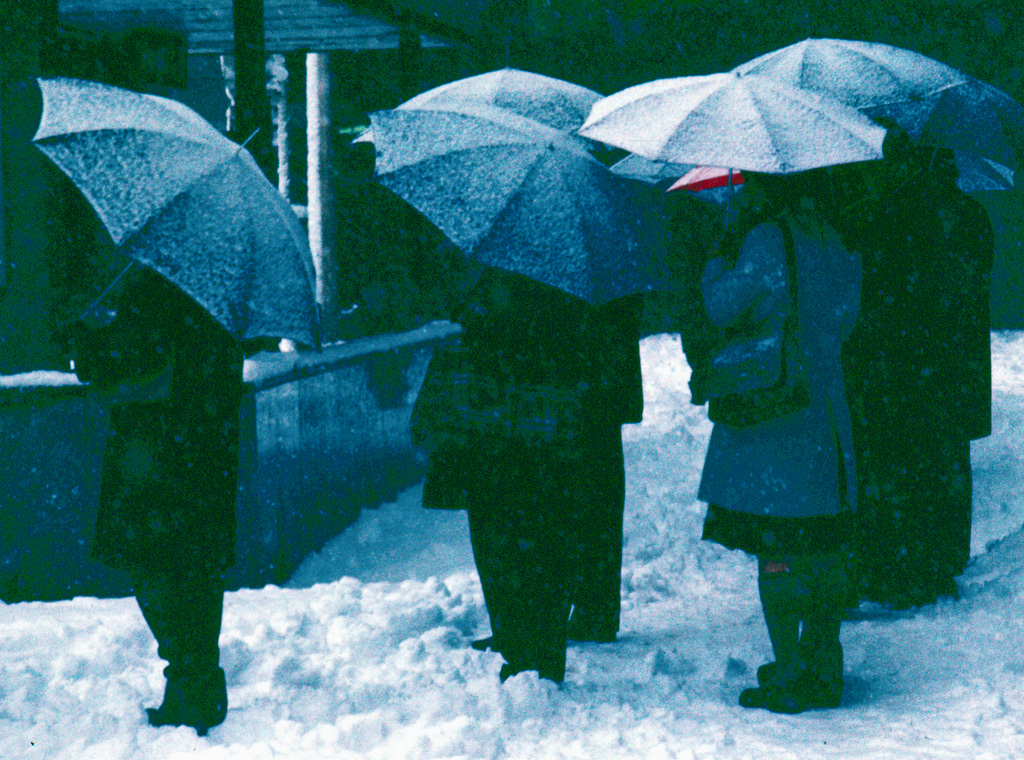
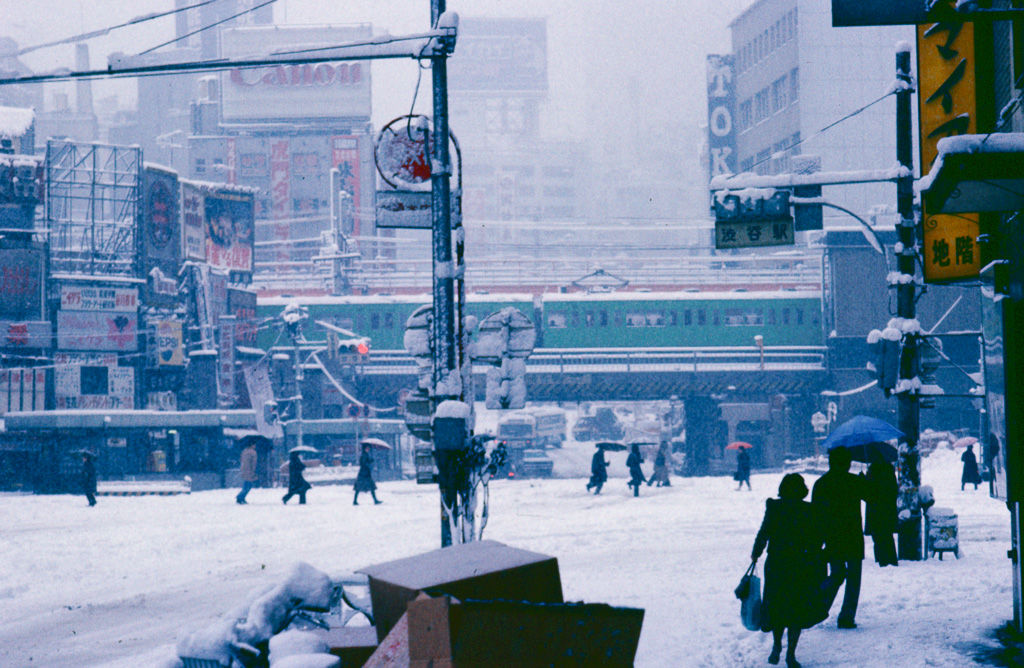
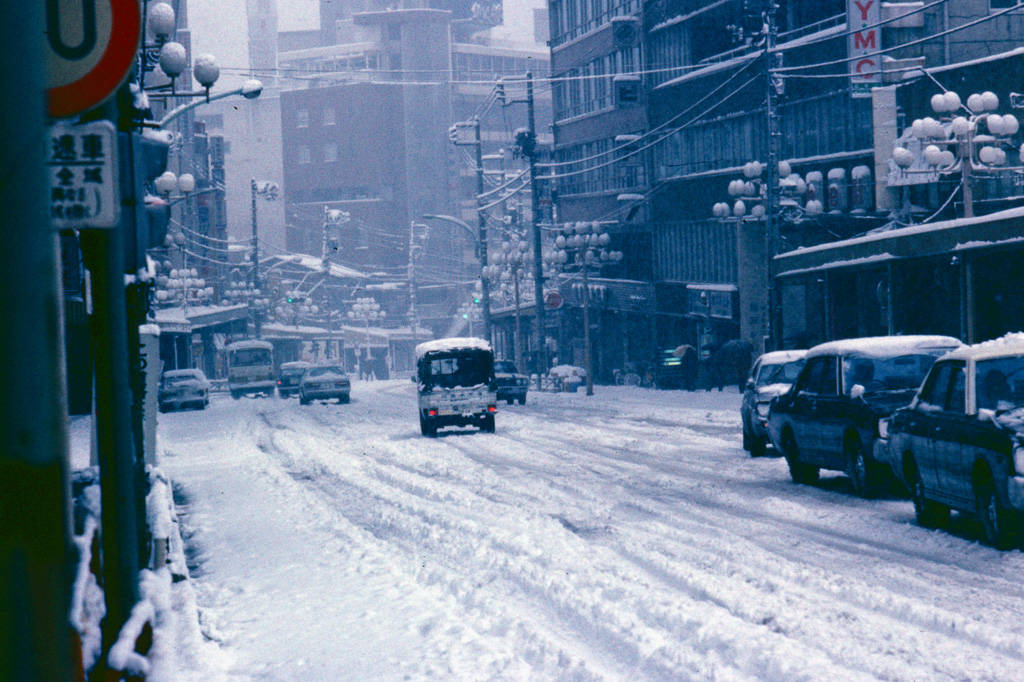
Tokyo winters are for the most part cool and rainy, with only occasional frost. But a snow day transforms the city.
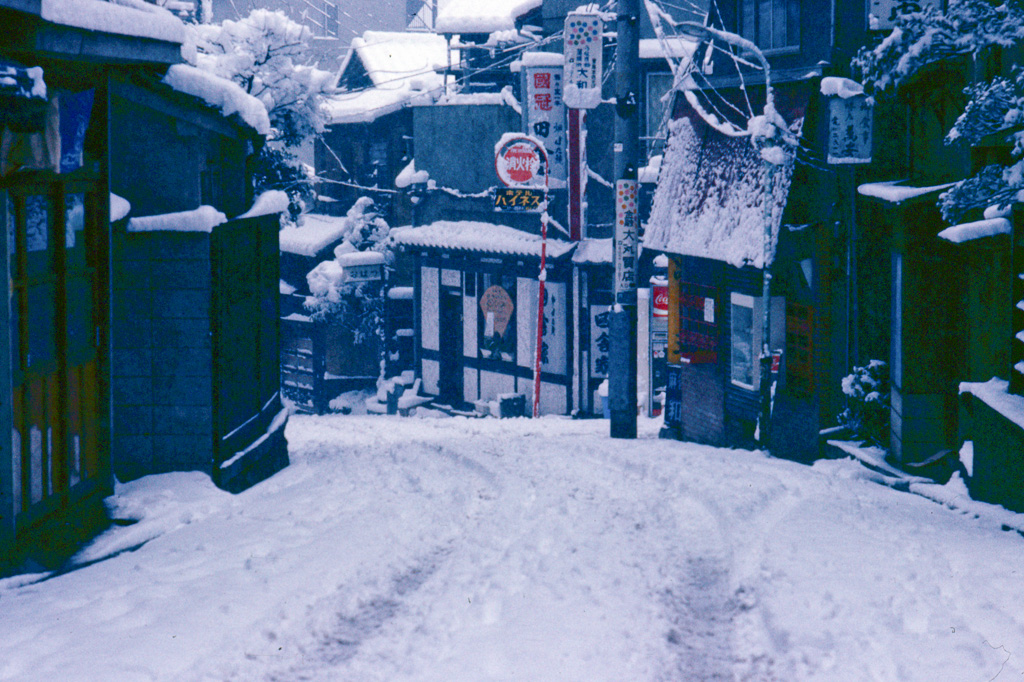
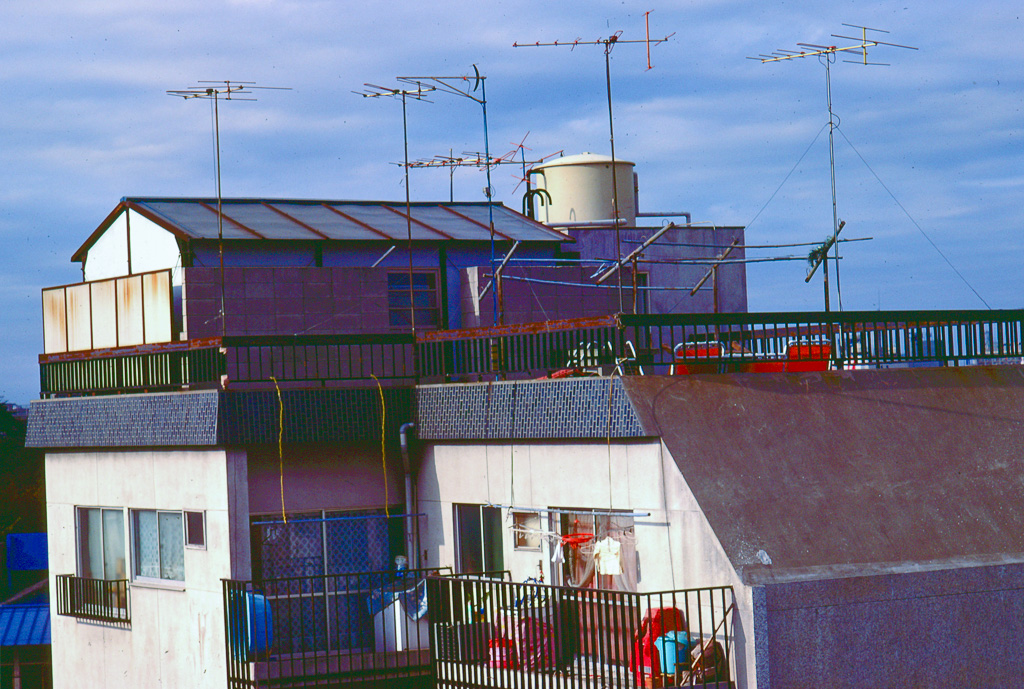
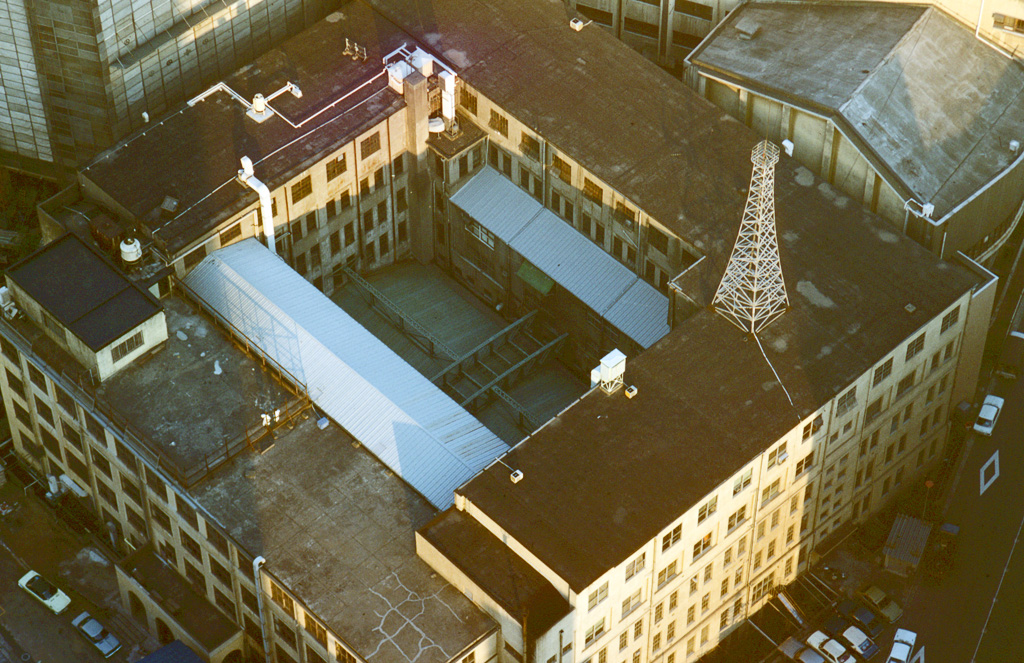
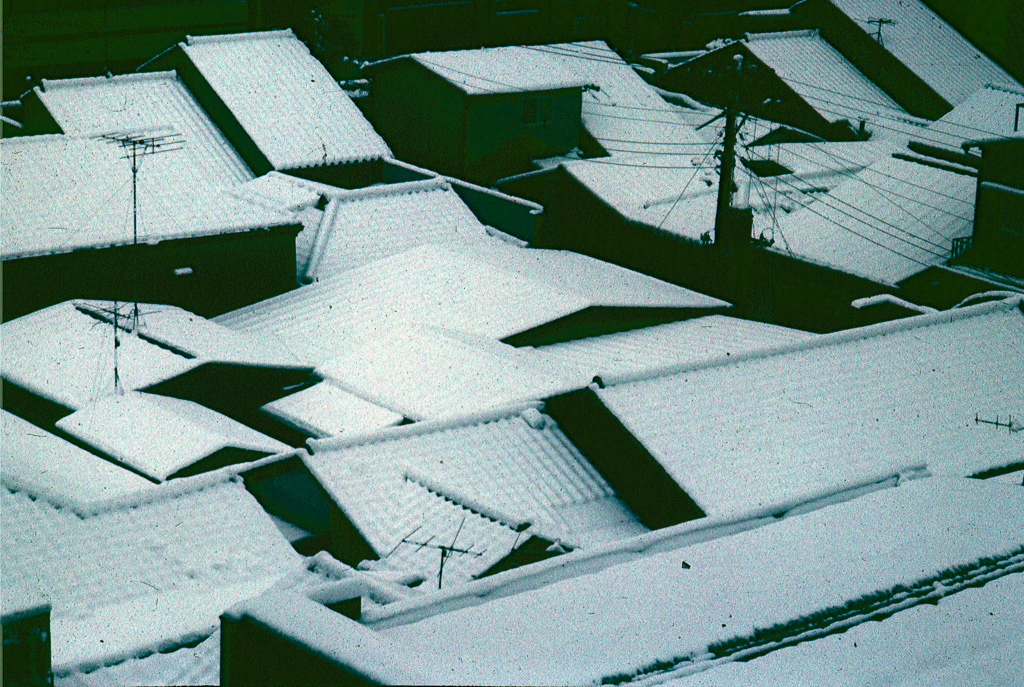
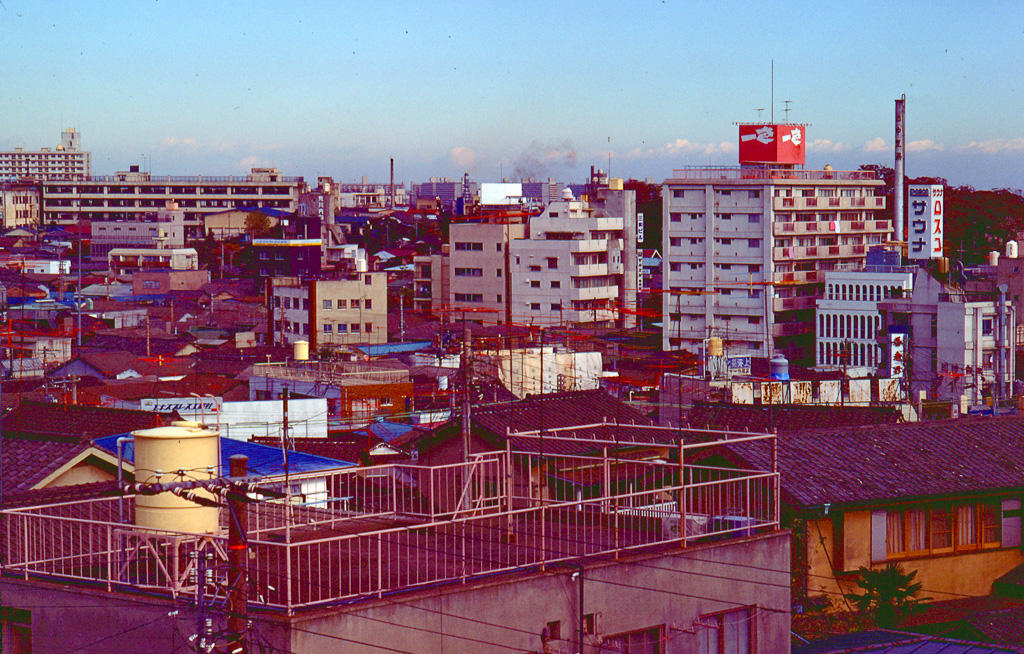
These are the close-packed roofs of homes

Mass transit

Tokyo has one of the world’s largest subway networks. In the Seventies it still ran on paper tickets for single rides, as well as monthly commuter passes. Today, apps run everything.
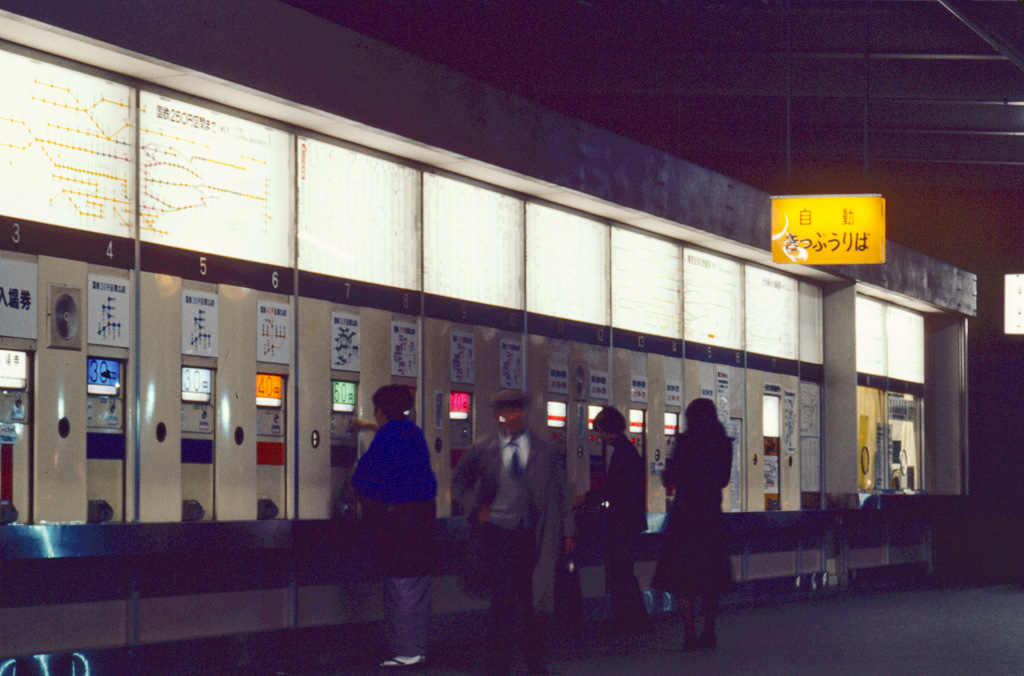
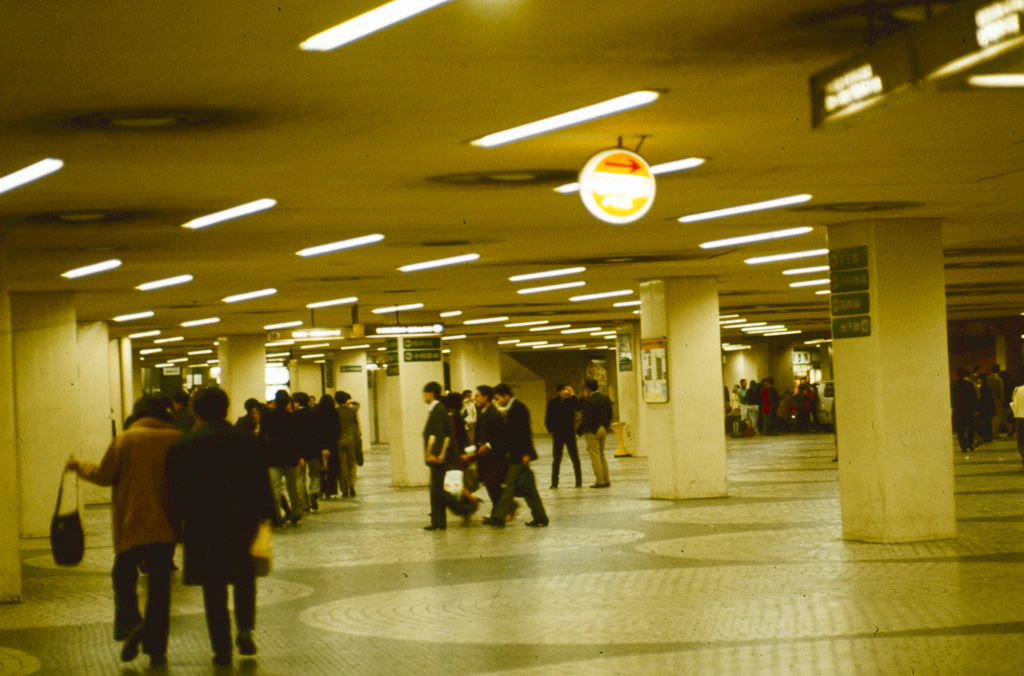
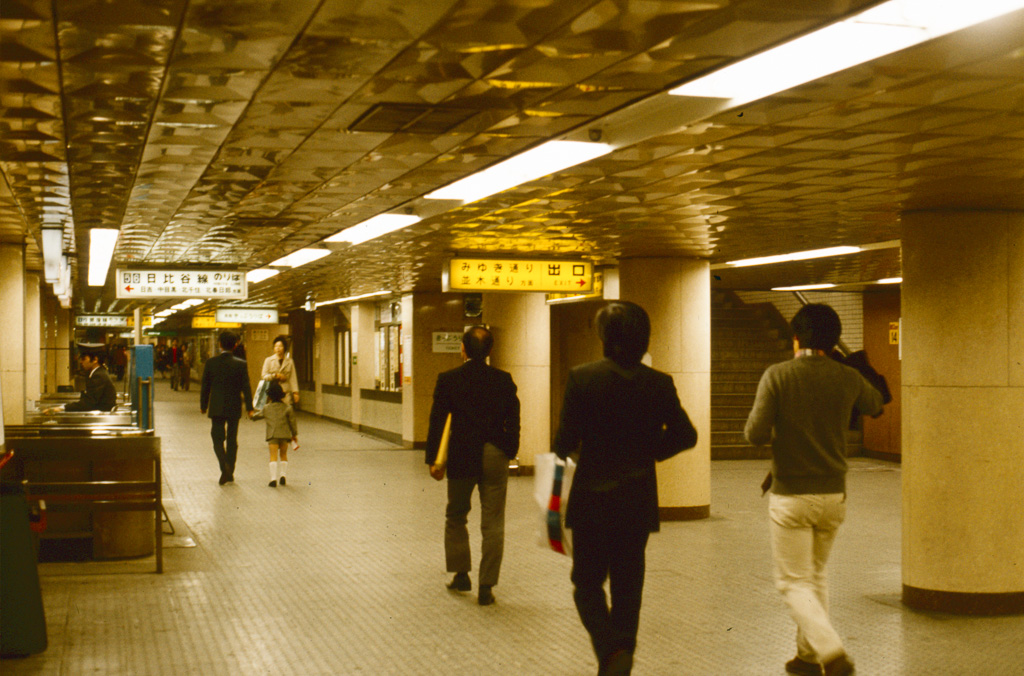
A transfer hall
Long underground passageways, often lined with shops, radiate from subway stations to keep people out of the perennially bad weatehr
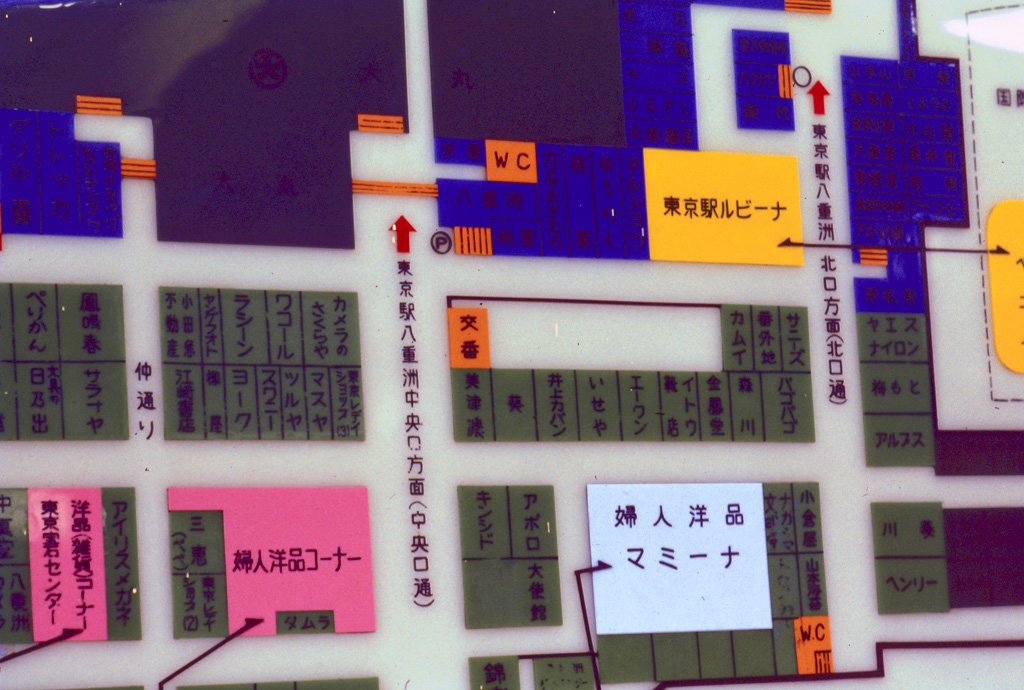
At ech \ station, intricatemaps describe the local neighborhood.