Climbing Fujiyama

Japan’s Sacred Mountain

Every bucket list in Japan. has this climb on it, and it’s not just a personal feat, but a spiritual duty. There is an expression, “He who has not climbed Fuji is a fool; he who has climbed it twice is twice a fool.”

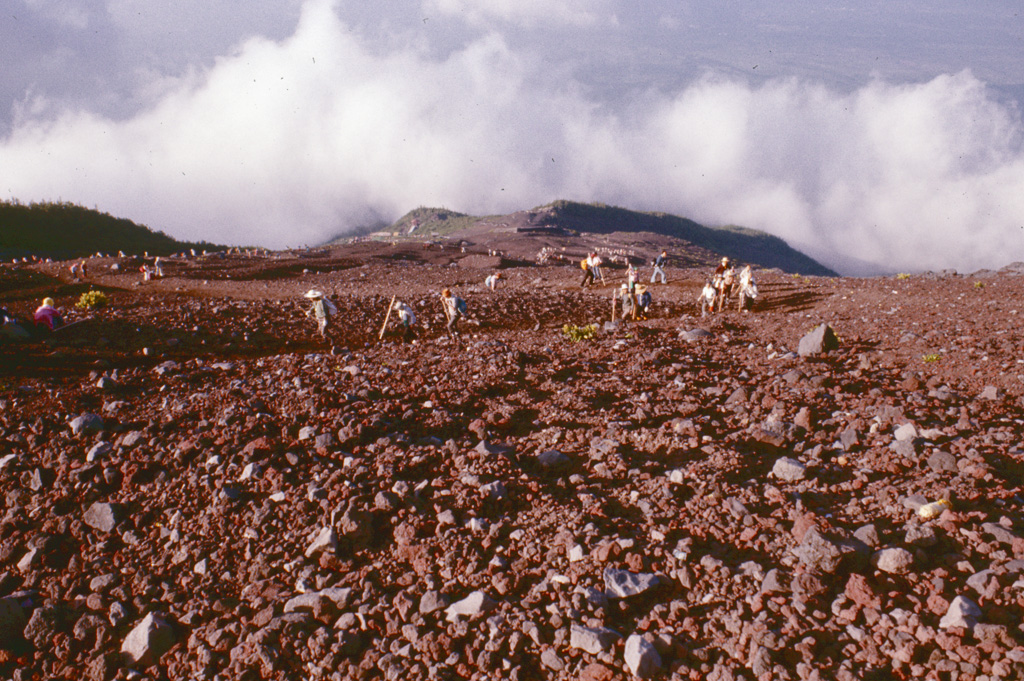
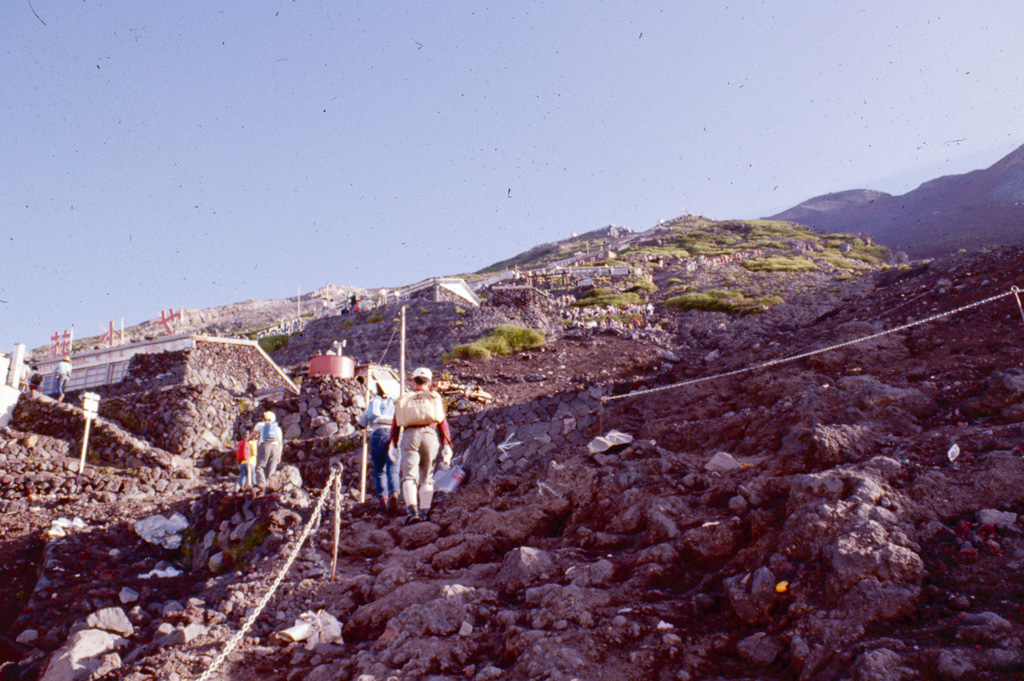
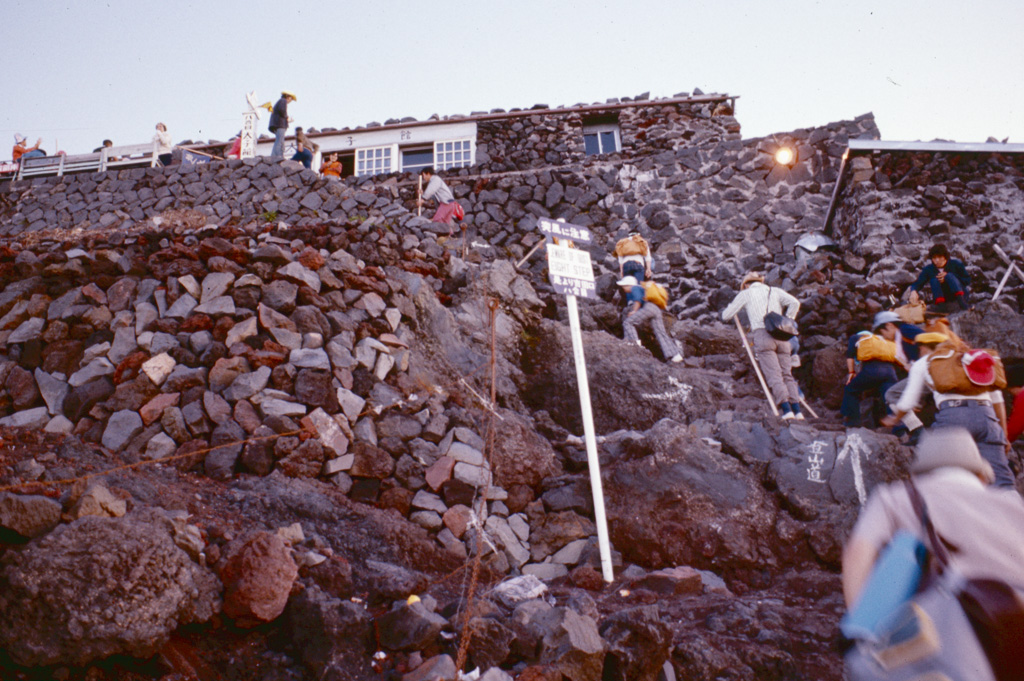
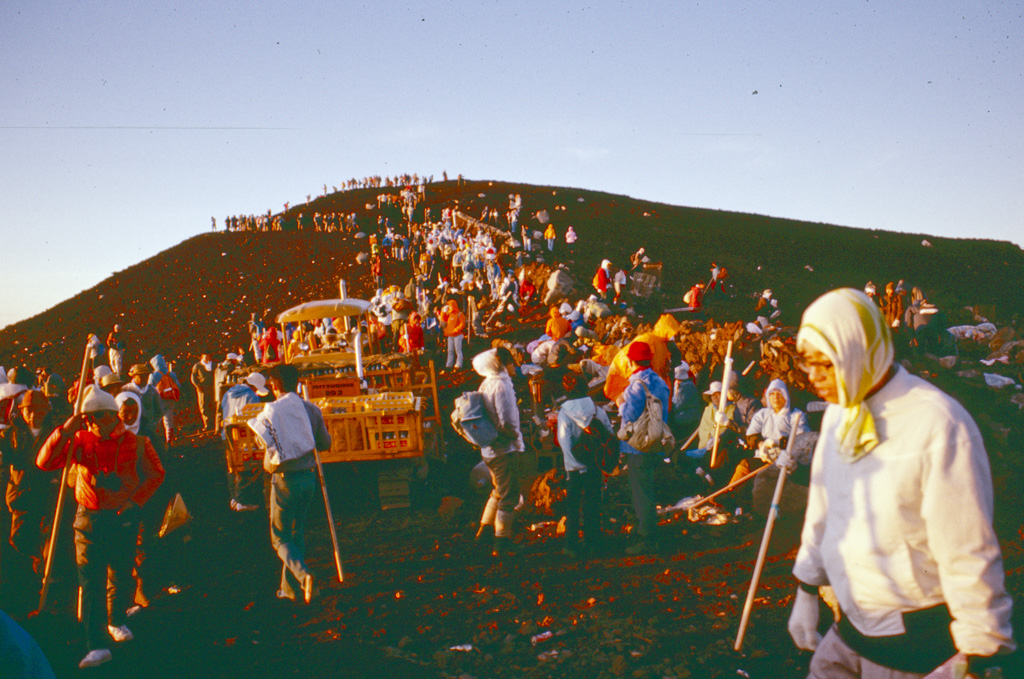
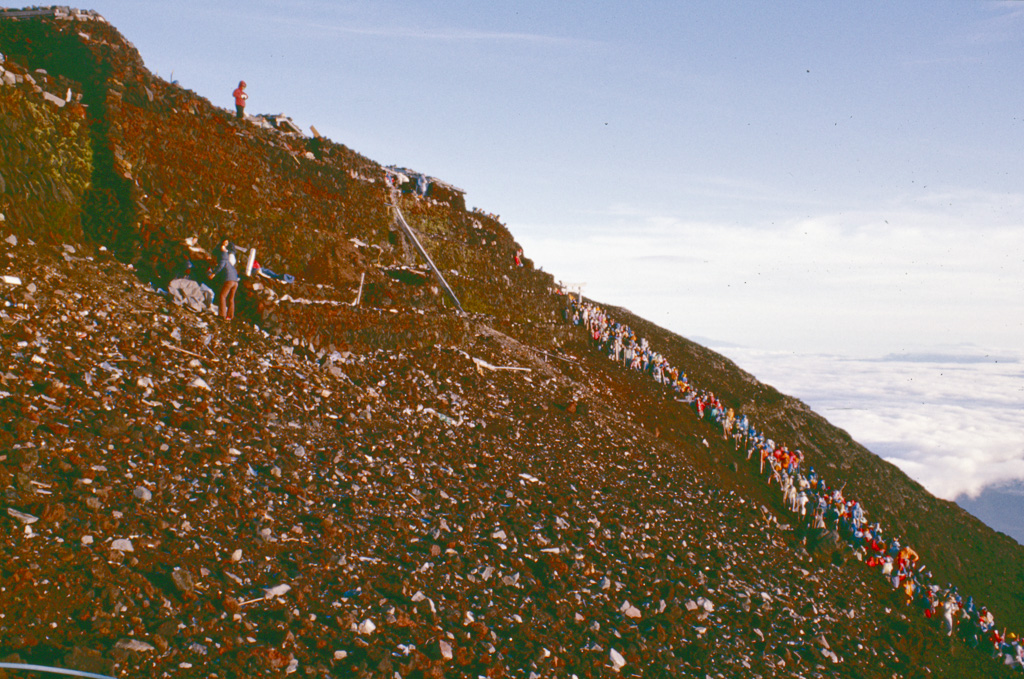
R: A continuous line of pilgrims inches up the mountain. Because of weather, it can be climbed only in July and August.
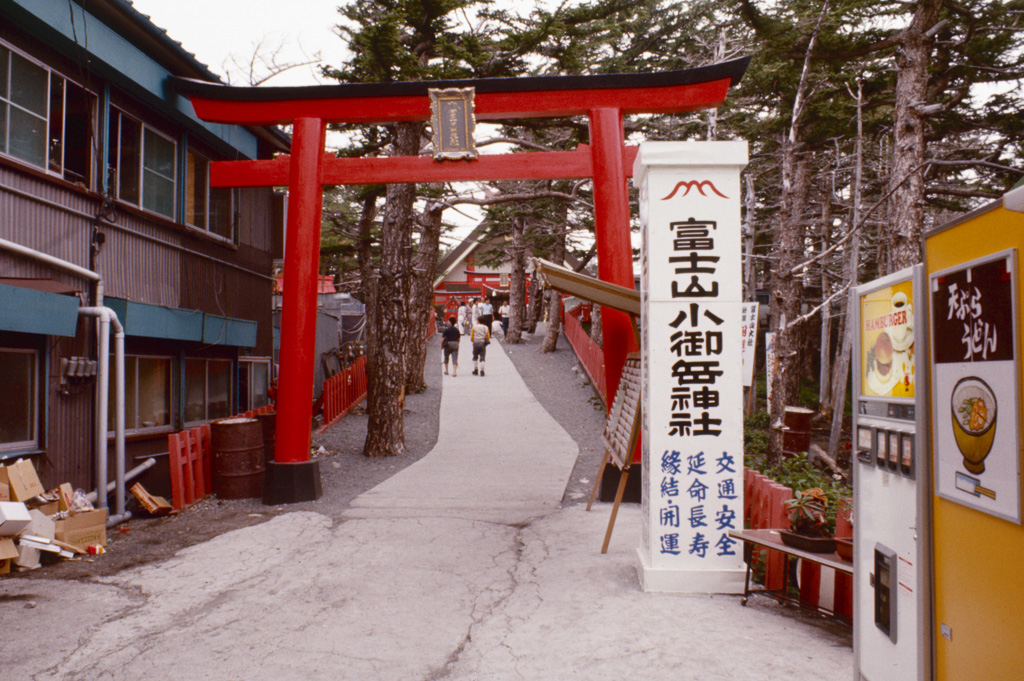
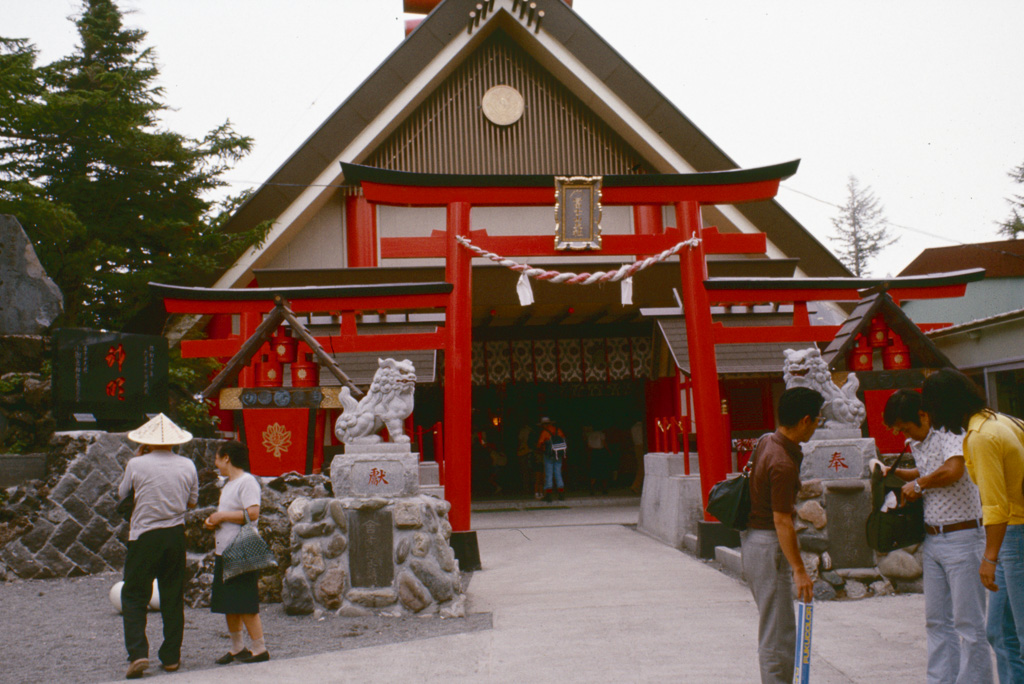
Fifth Station

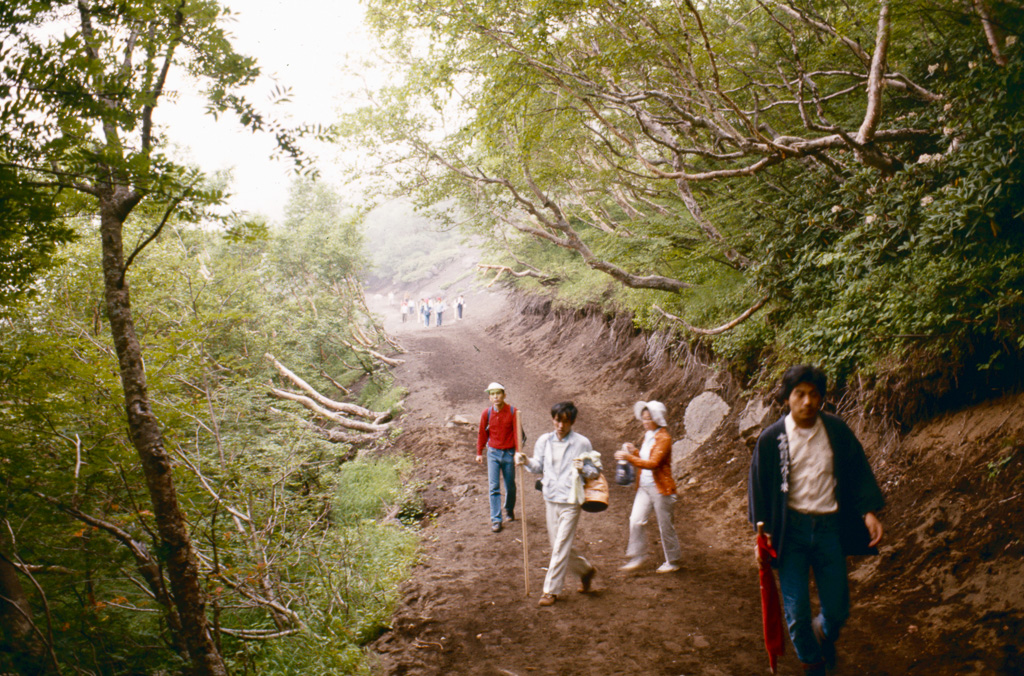
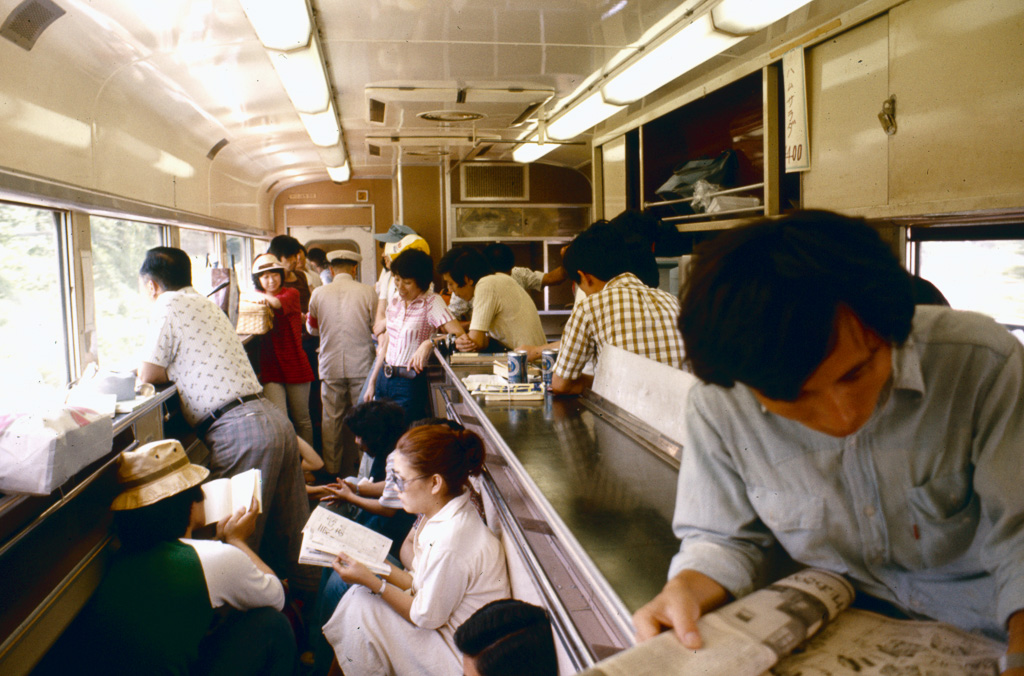
Though there were traditionally ten ‘stations’ or rest houses on the way up the mountain from the base, the lowest five were used only in the days when getting to the mountain was an adventure in its own right. Today, climbers take the train from the city to Fifth Station, which is not nearly halfway up.
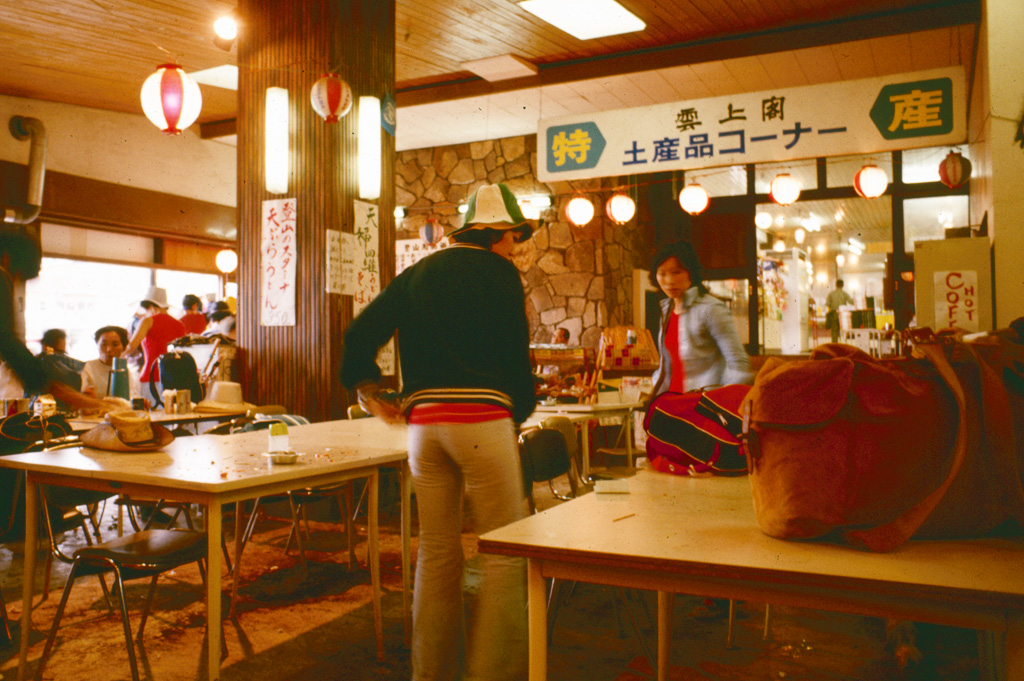
Fifth Station is the highest village on the mountain. It is about a third of the way up st 2,300 m.
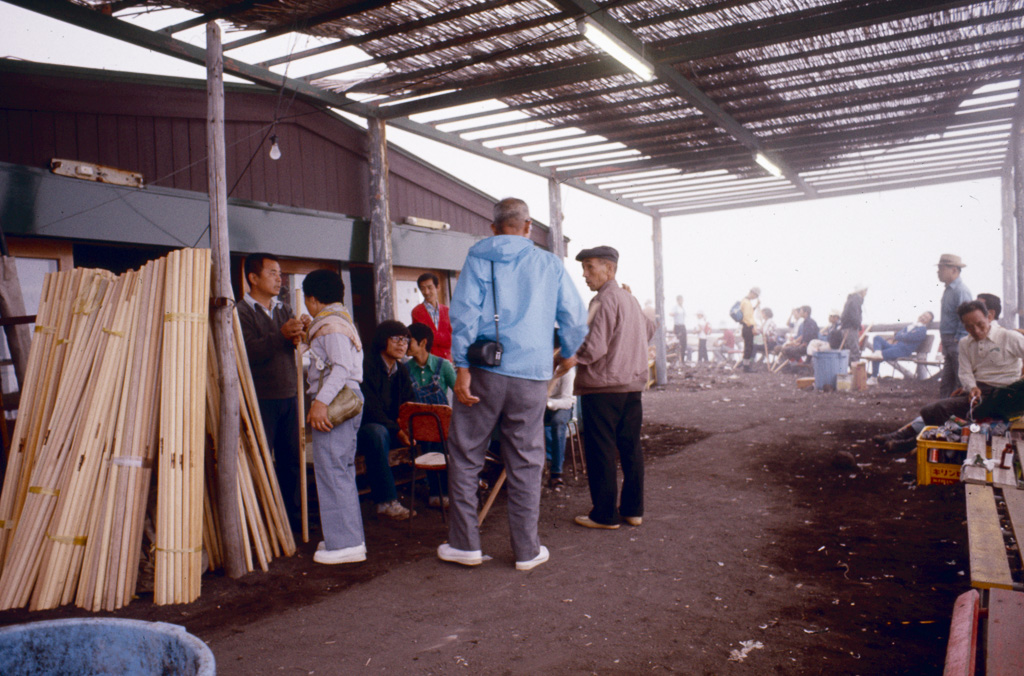
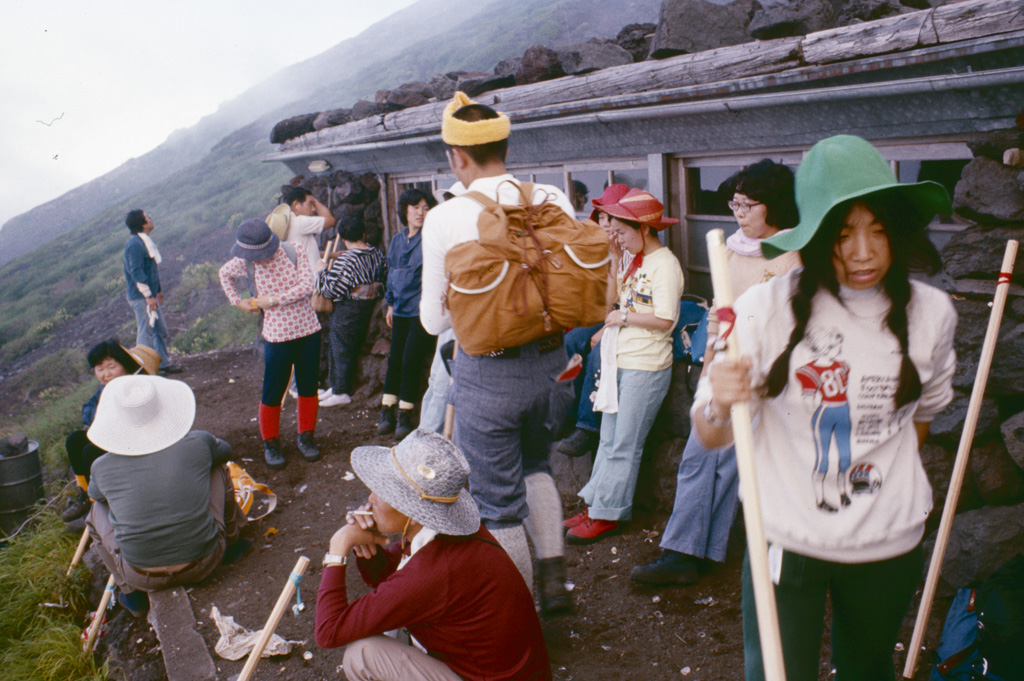
Most pilgrims buy wooden climbing poles for the occasion, which they can get stamped at each station

The ascent

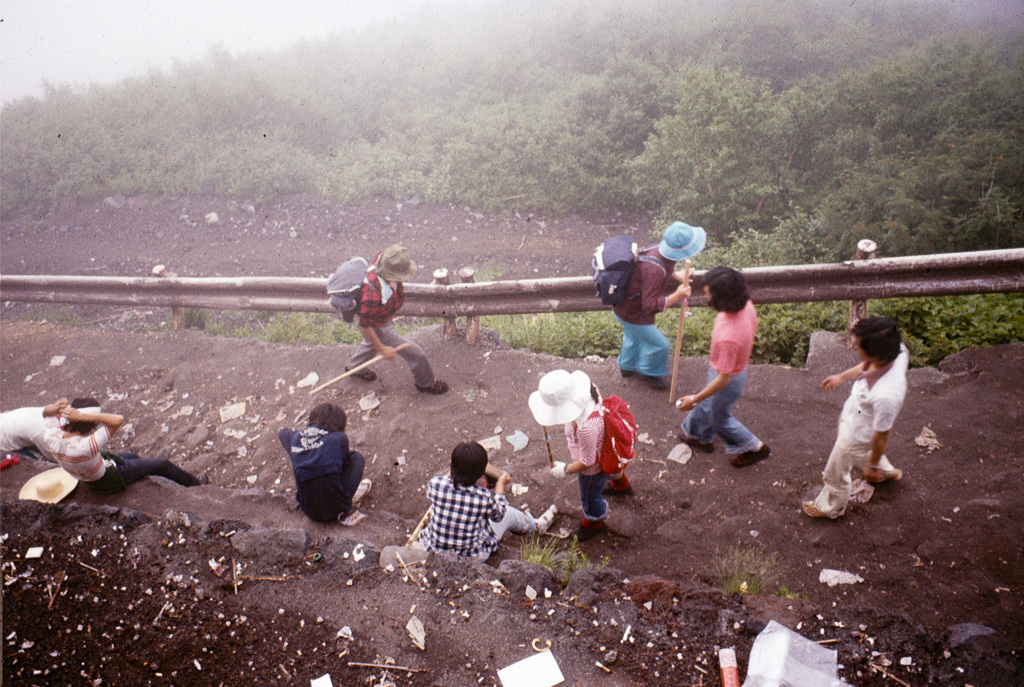
The lower slopes are perpetually wrapped in mist
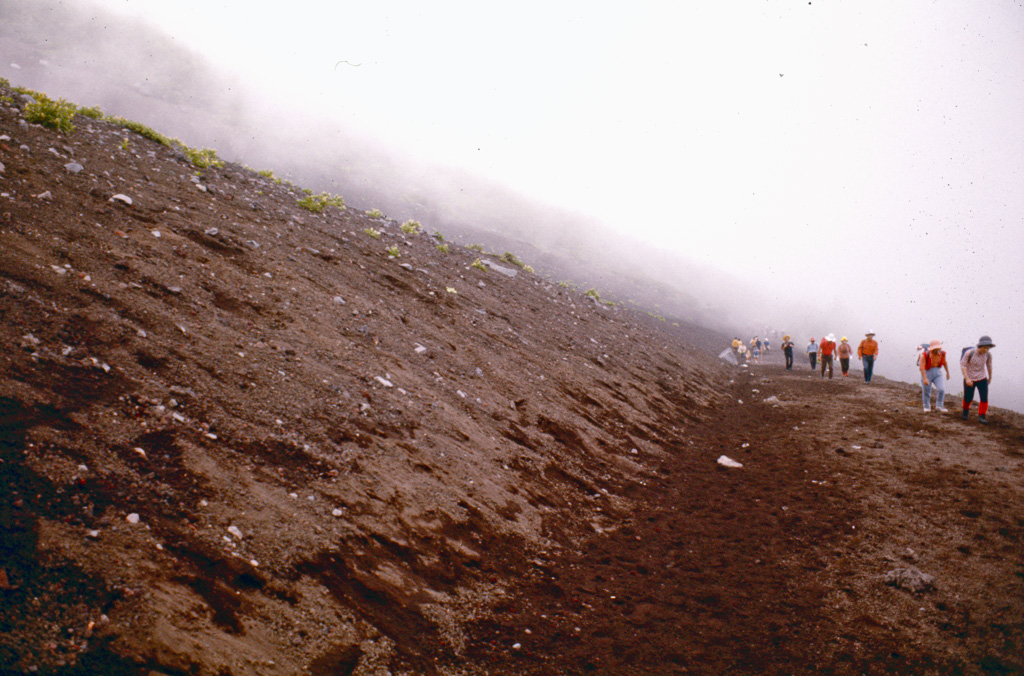
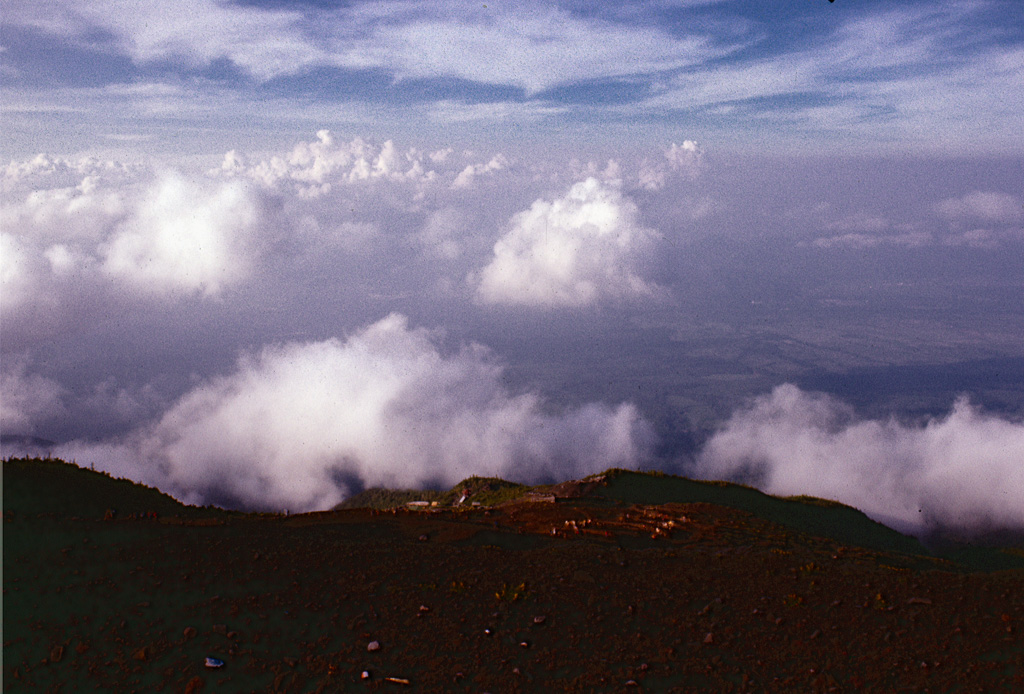
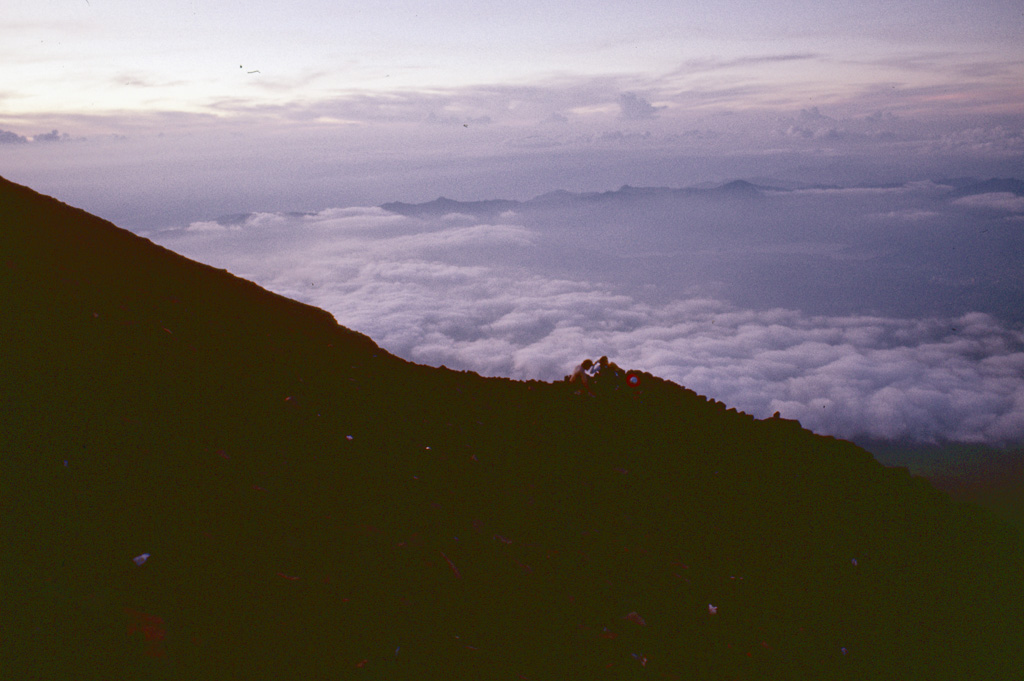
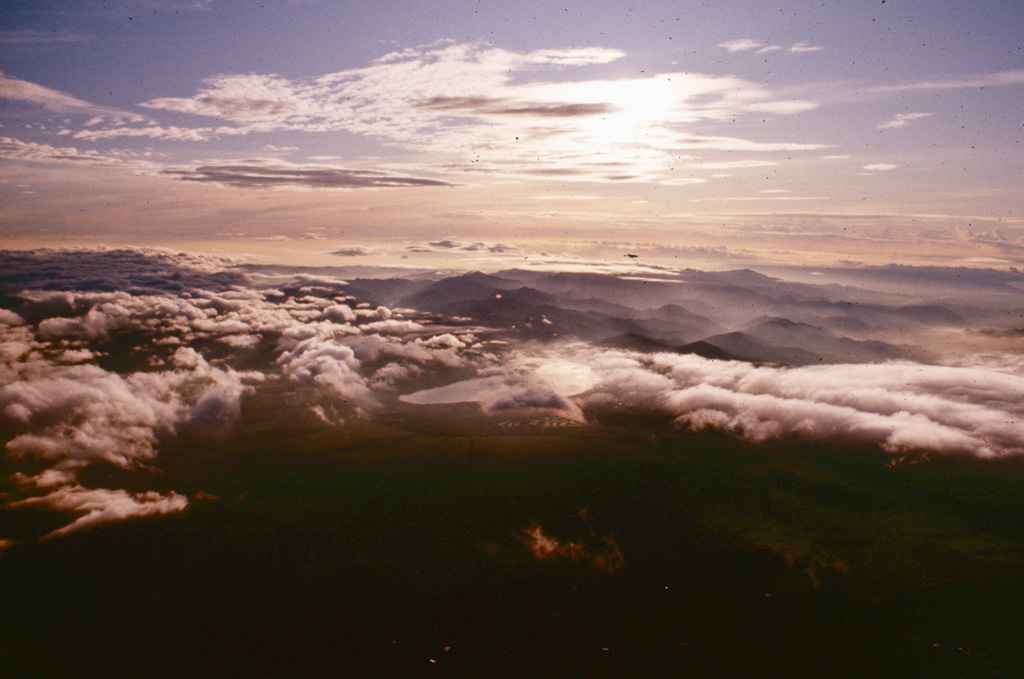
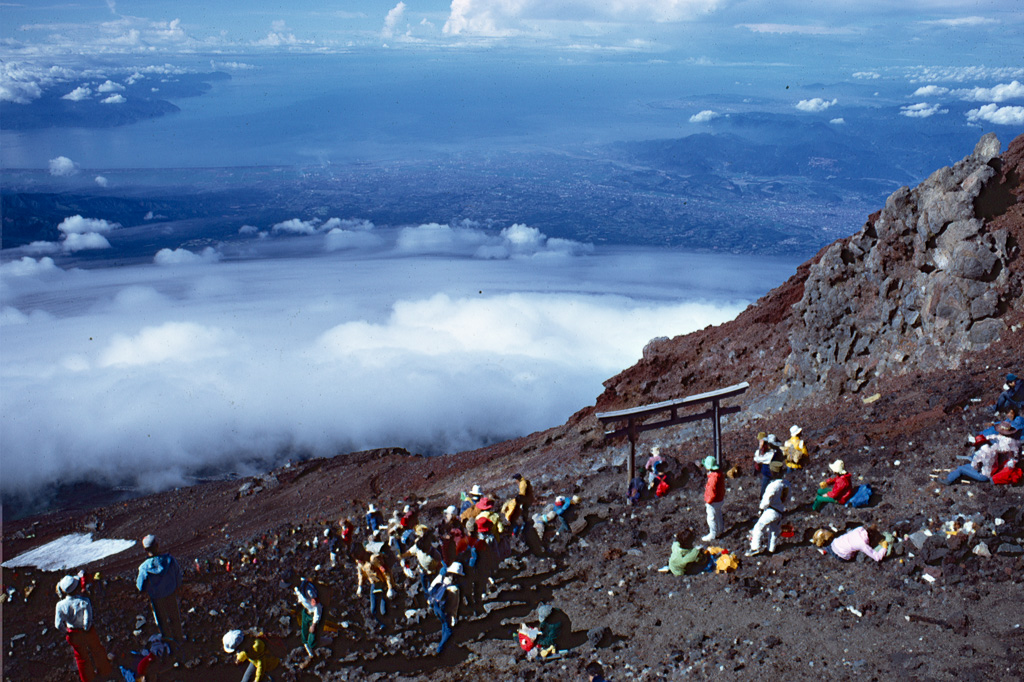
Now I’m above the clouds, and the air is pure
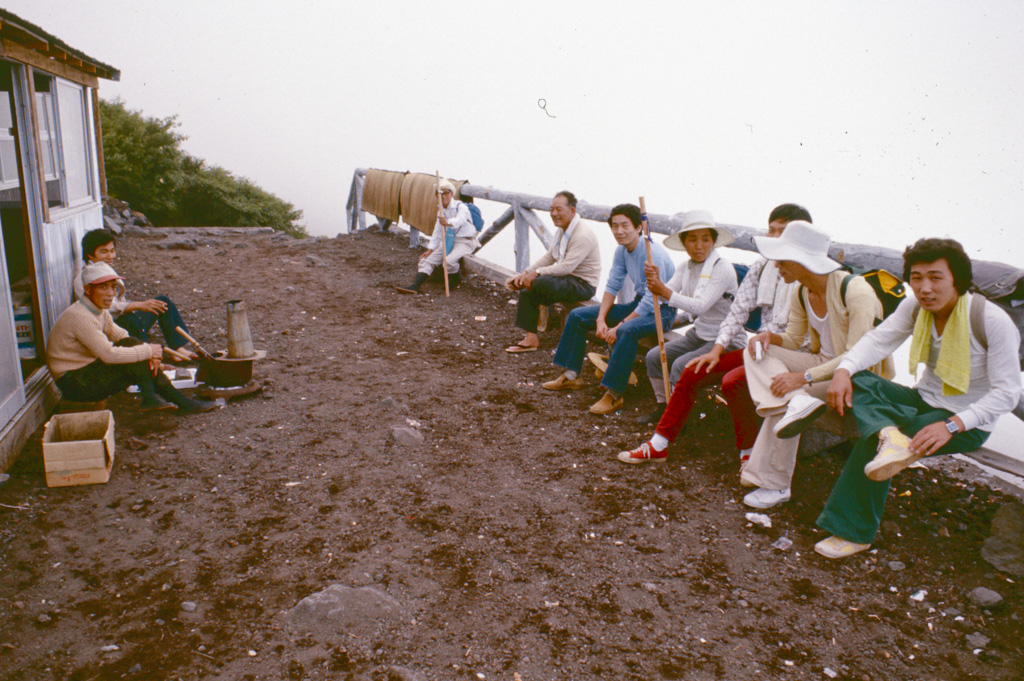
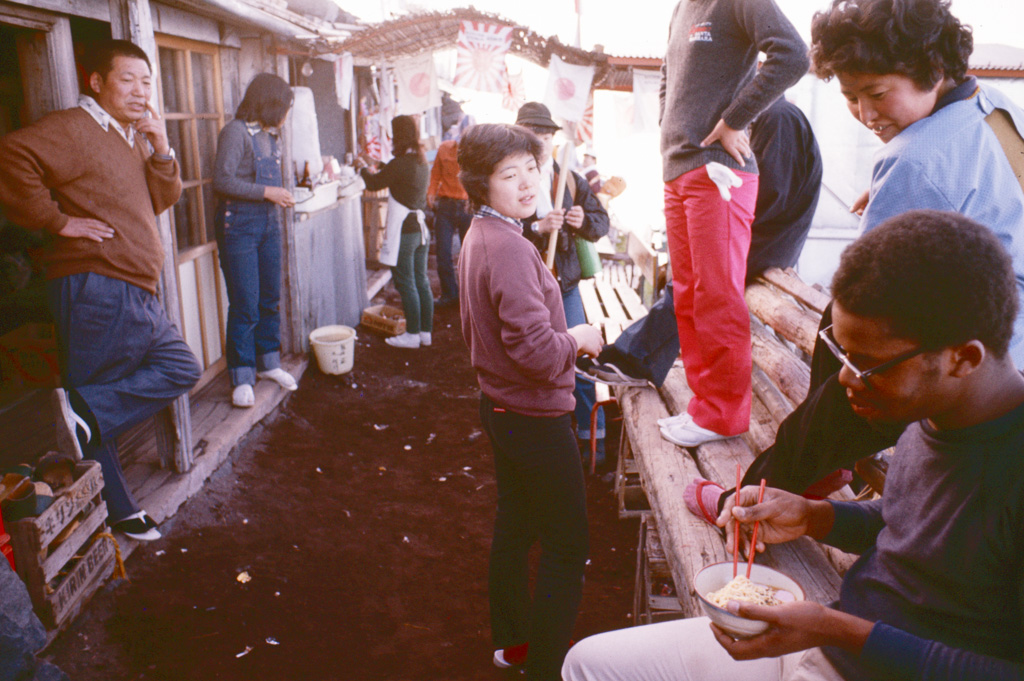
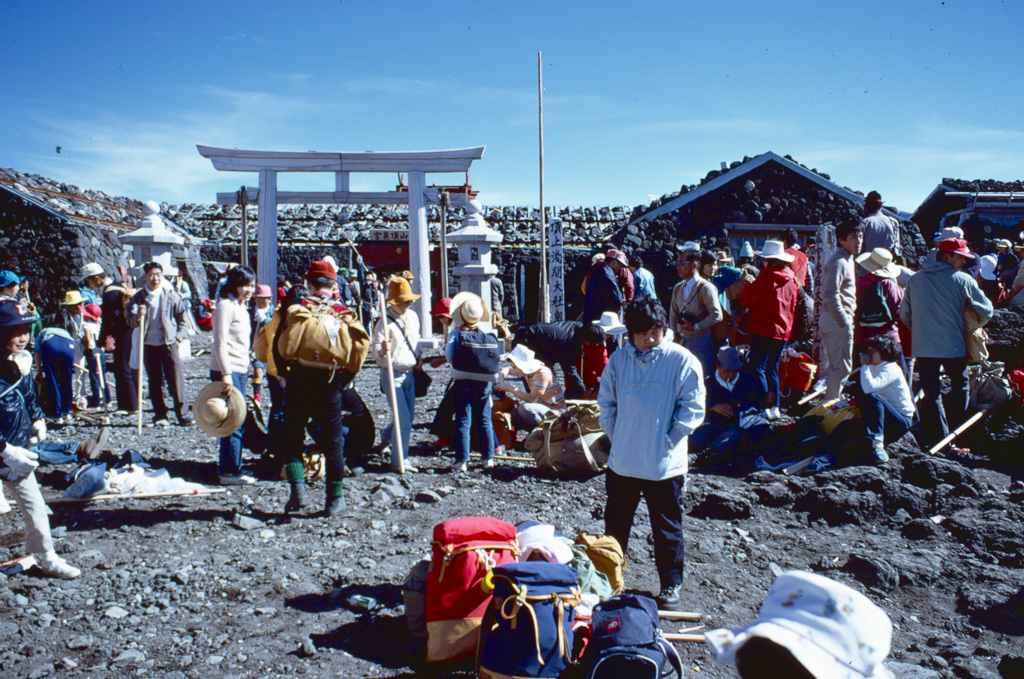
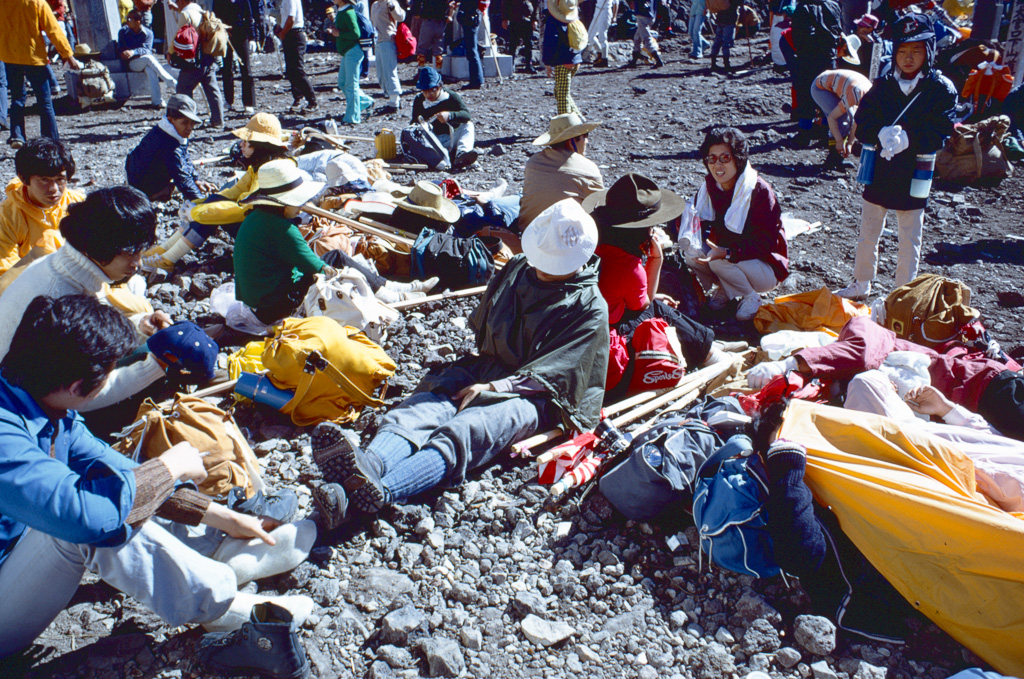
Climbers pause for a break at each station
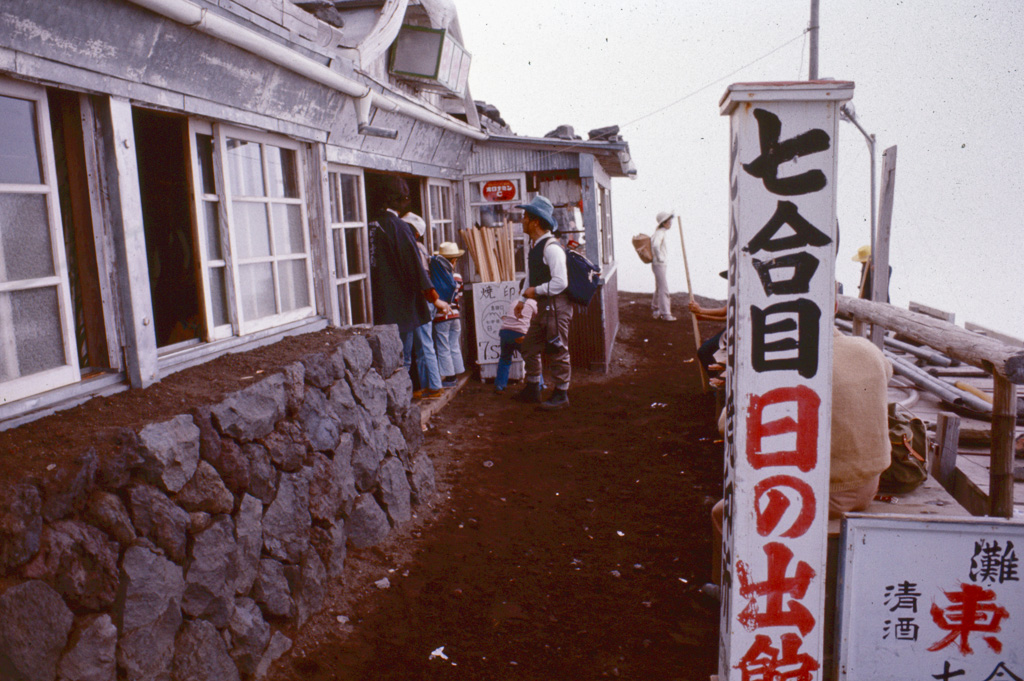
Each higher station (this is #7) is a little more rustic than the last
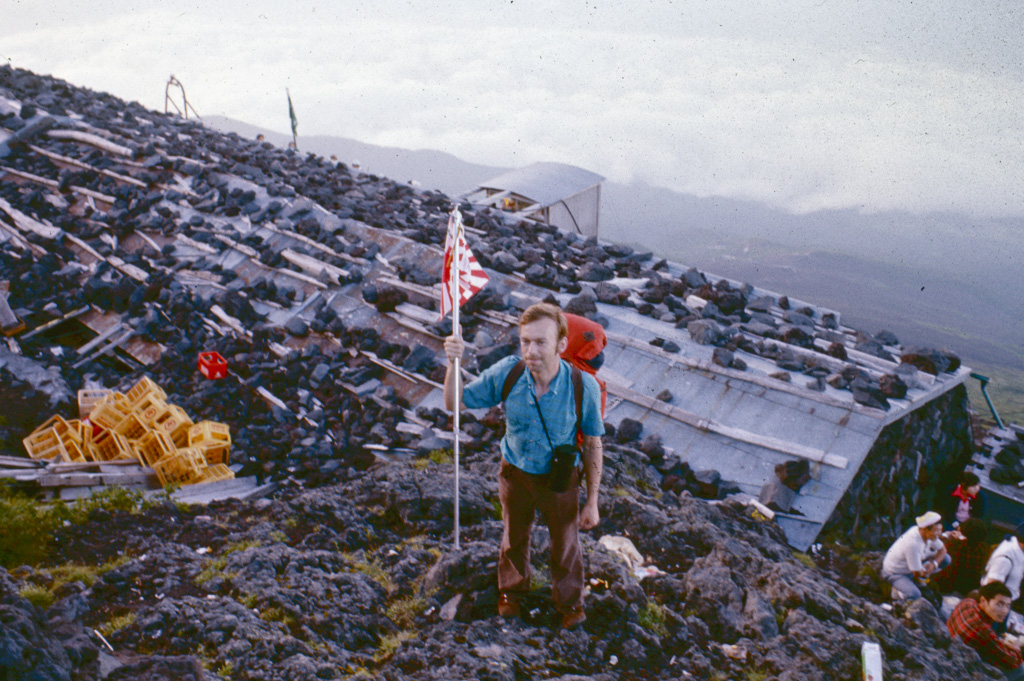
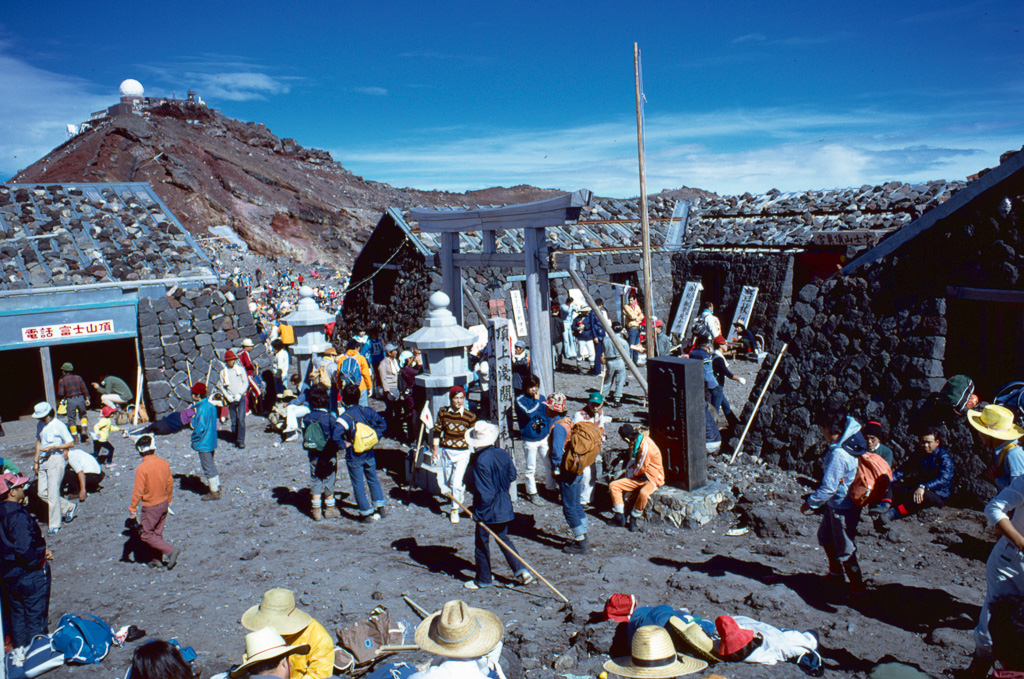
Higher up, it gets windier. Stones on the roof hold the roofing down.
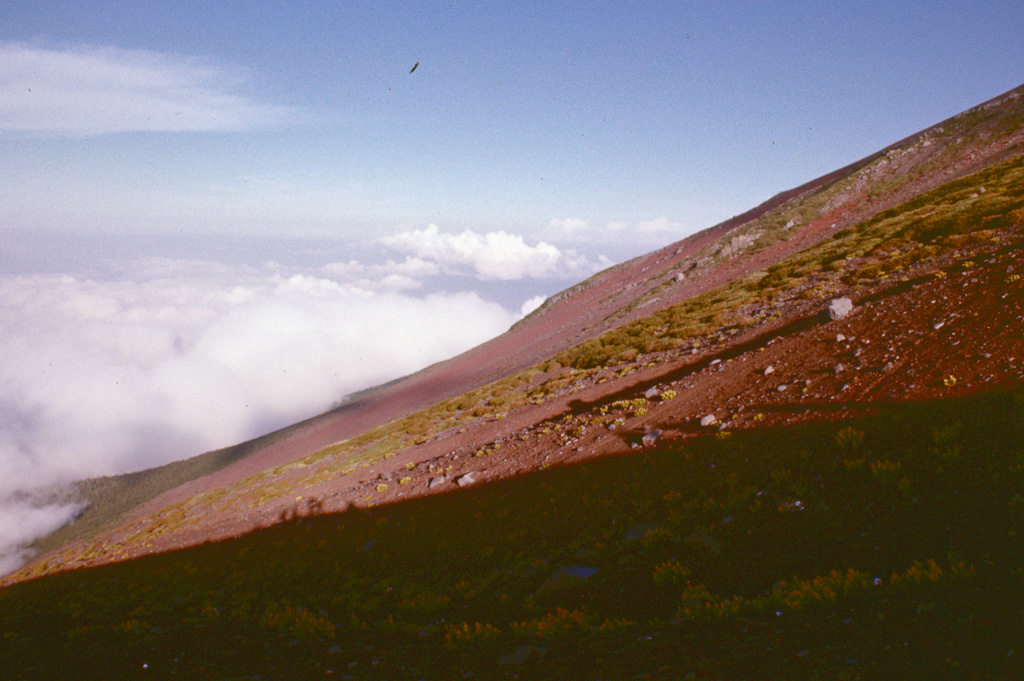
Well above the clouds now. Because of Fuji’s perfect shape, the climb gets exponentially steeper as we near the top.
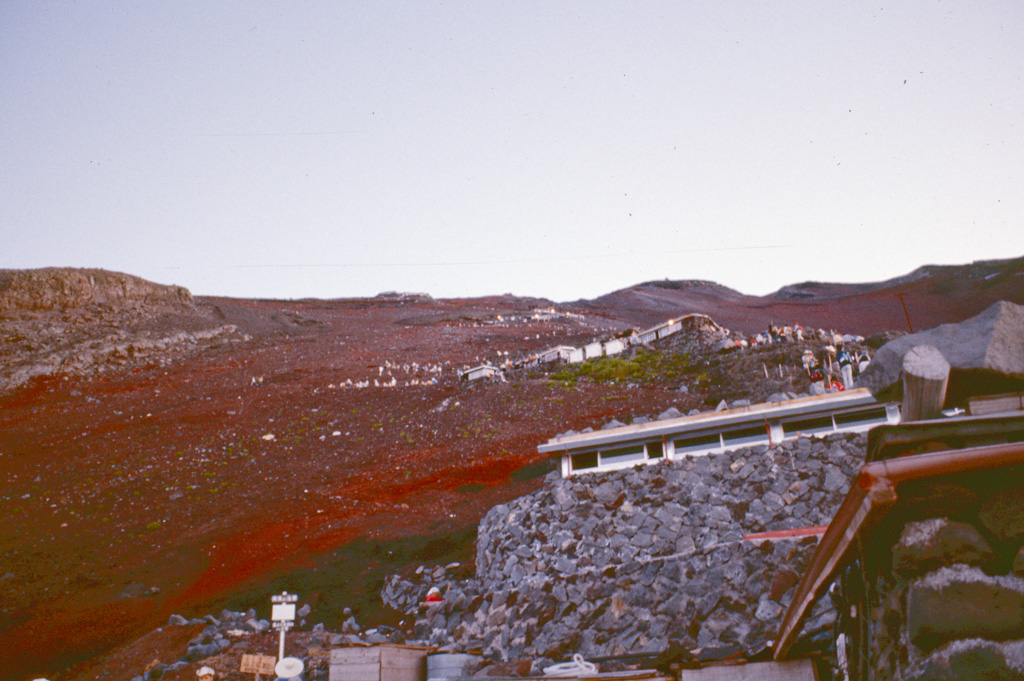
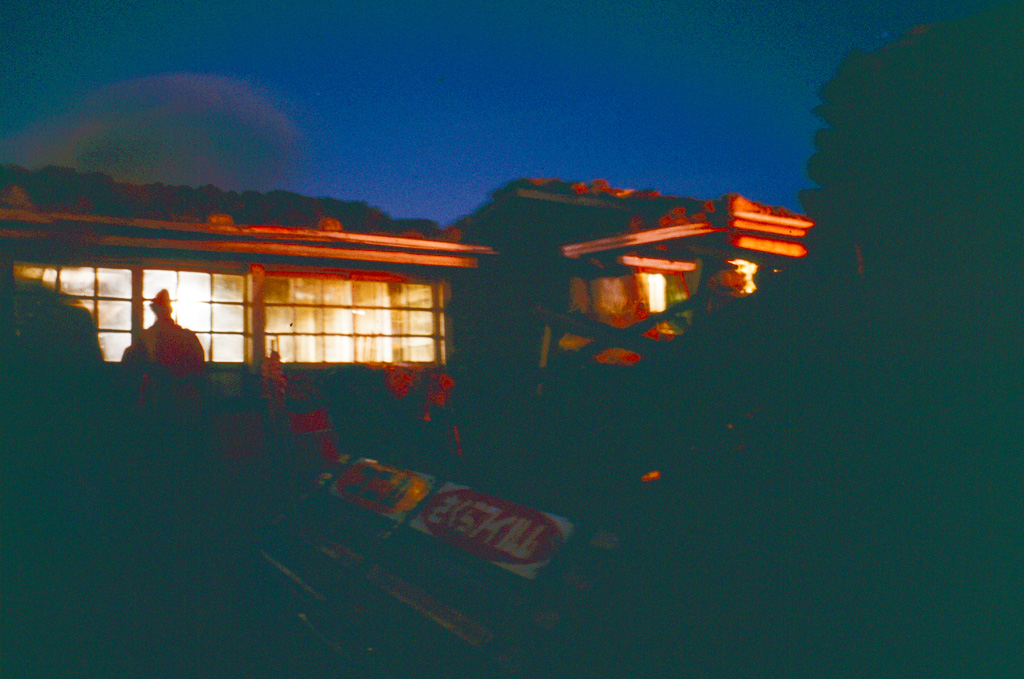
Darkness falls, but the pilgrims stay on the trail. Tenth Station is on the summit at 3776m, where I and all the other pilgrims stay for the night.
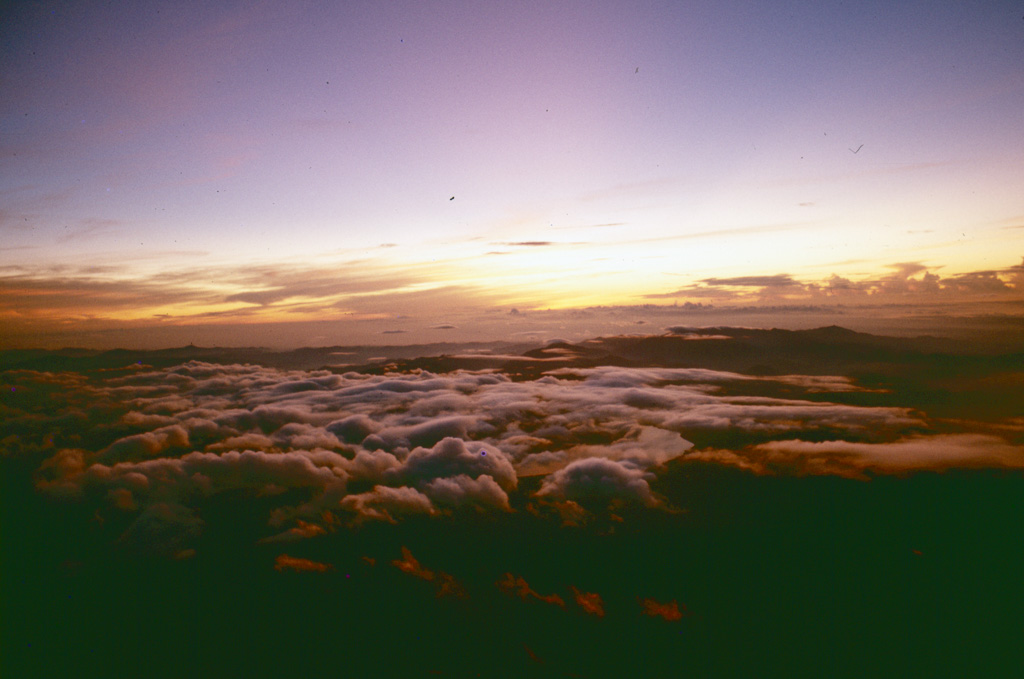
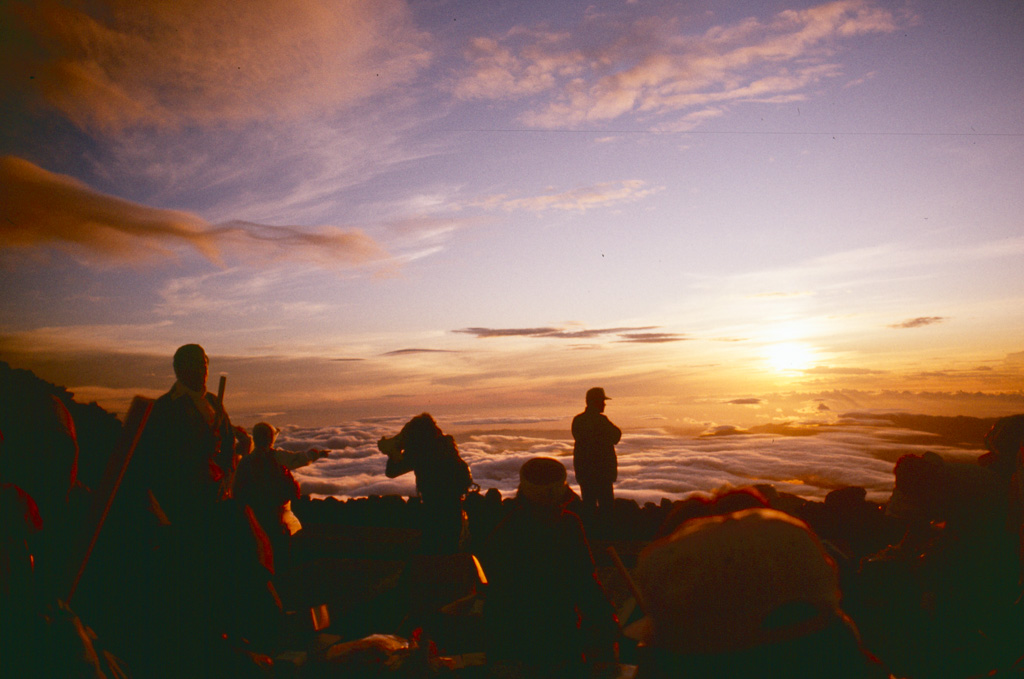
Next morning, everyone gets up before dawn to be in place for Goraiko, dawn from the summit. This world refers specifically to ‘sunrise from the summit of Fujiyama.’
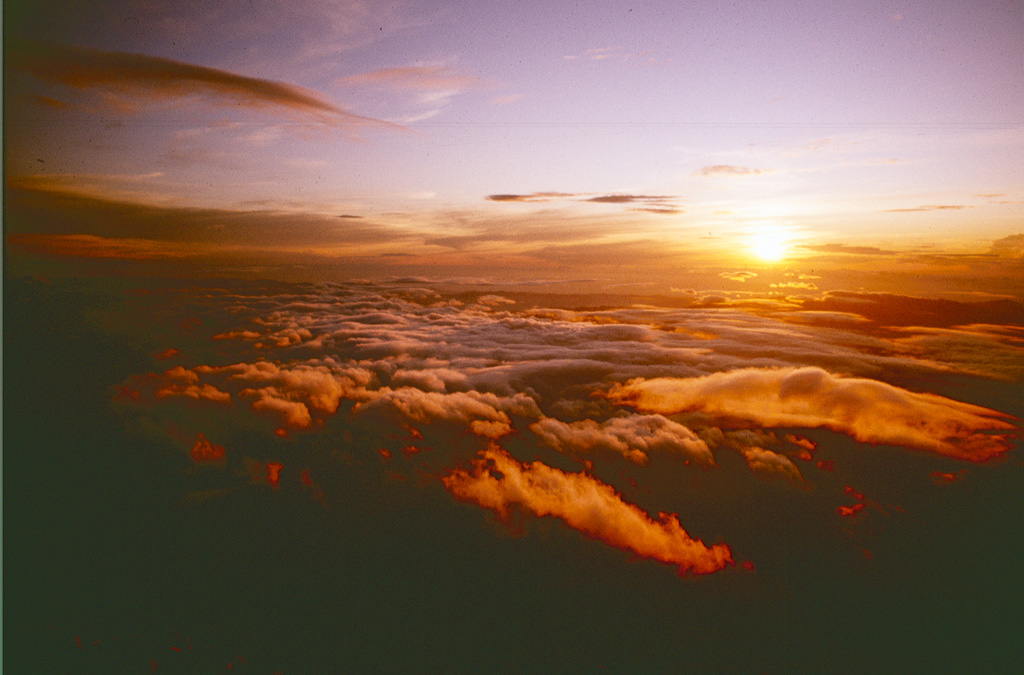
Here comes the sun!
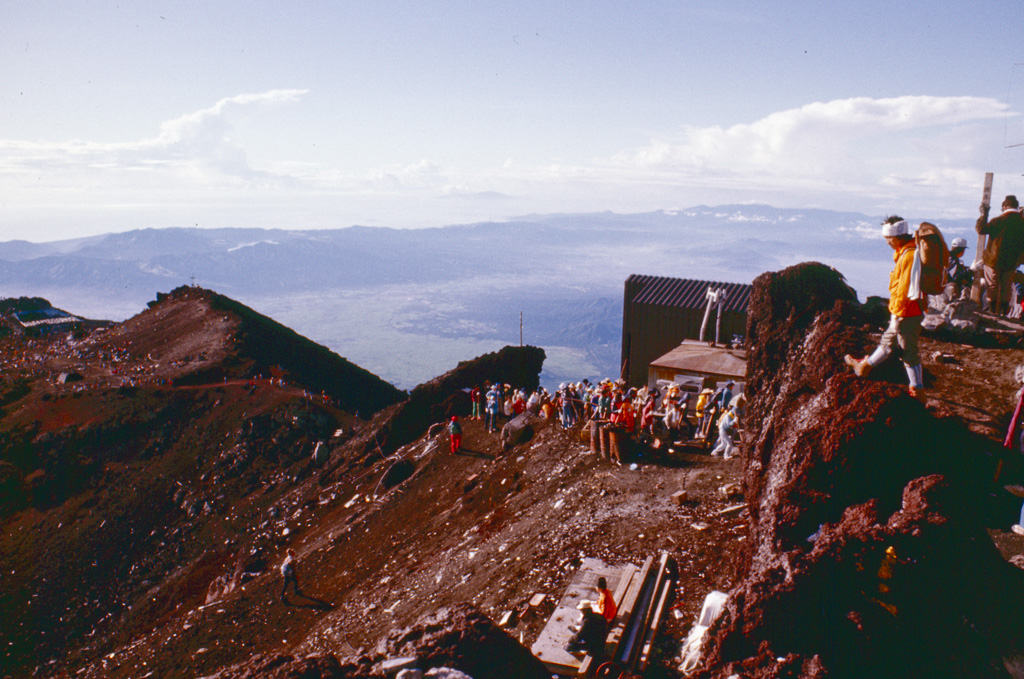
At goraiko, all I hear is the sound of thousands of shutters clicking at once. This was in the age of film.
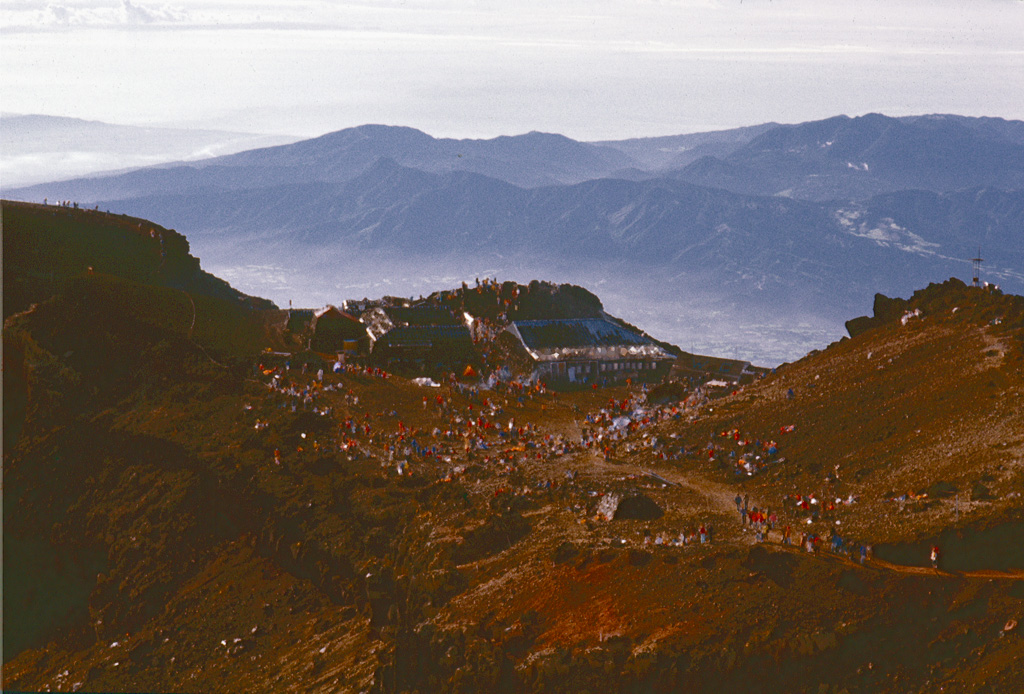
The whole eastern side of the summit has been filled with photographers
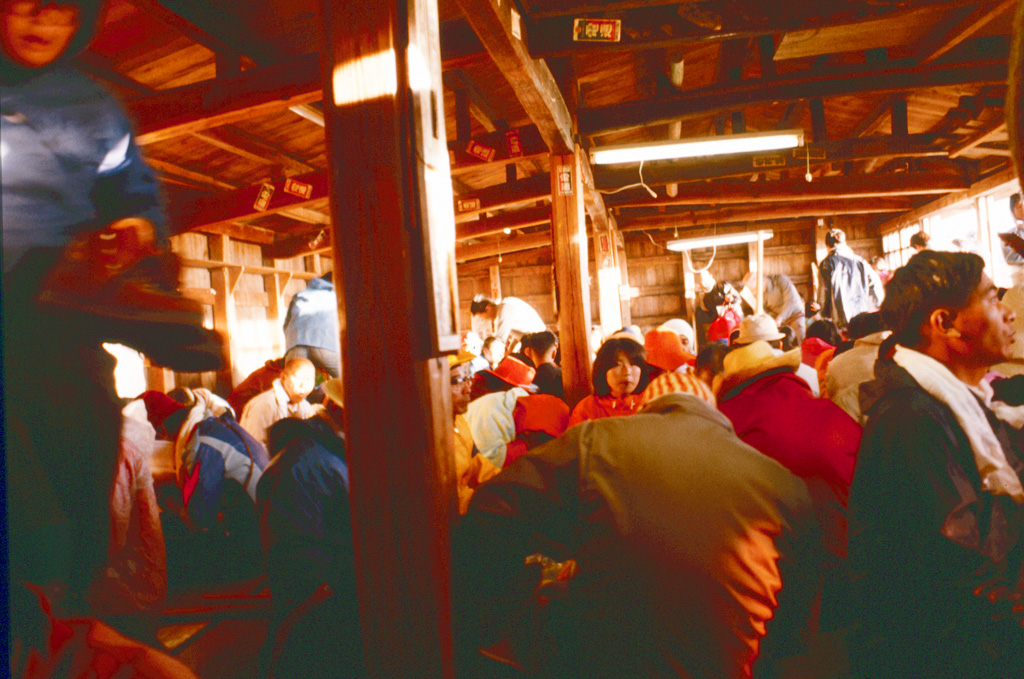
Warming up inside Tenth Station
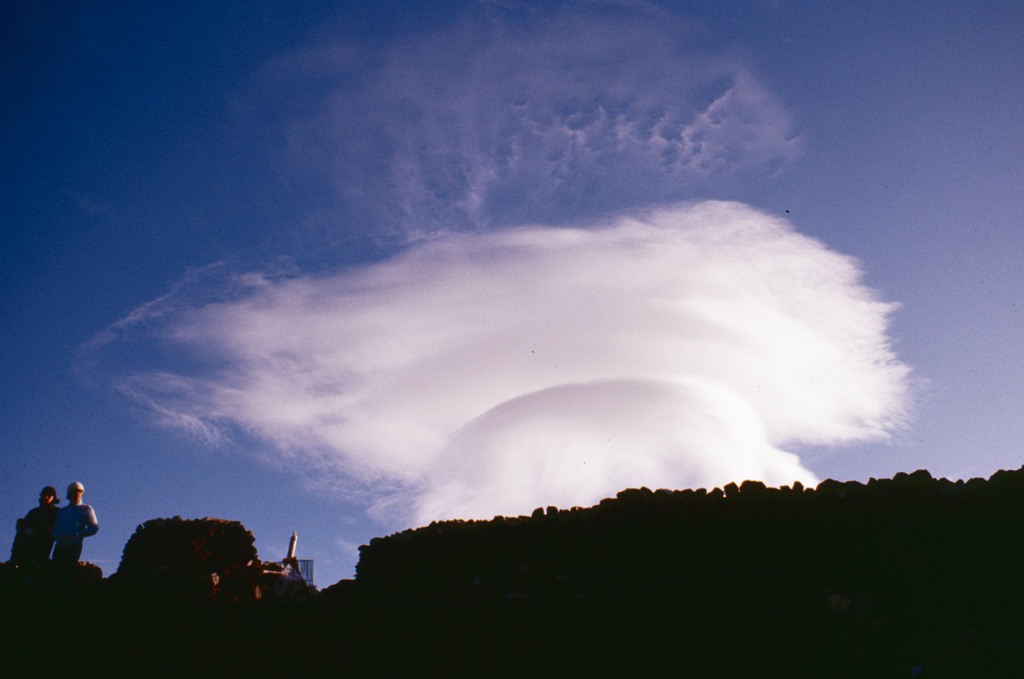
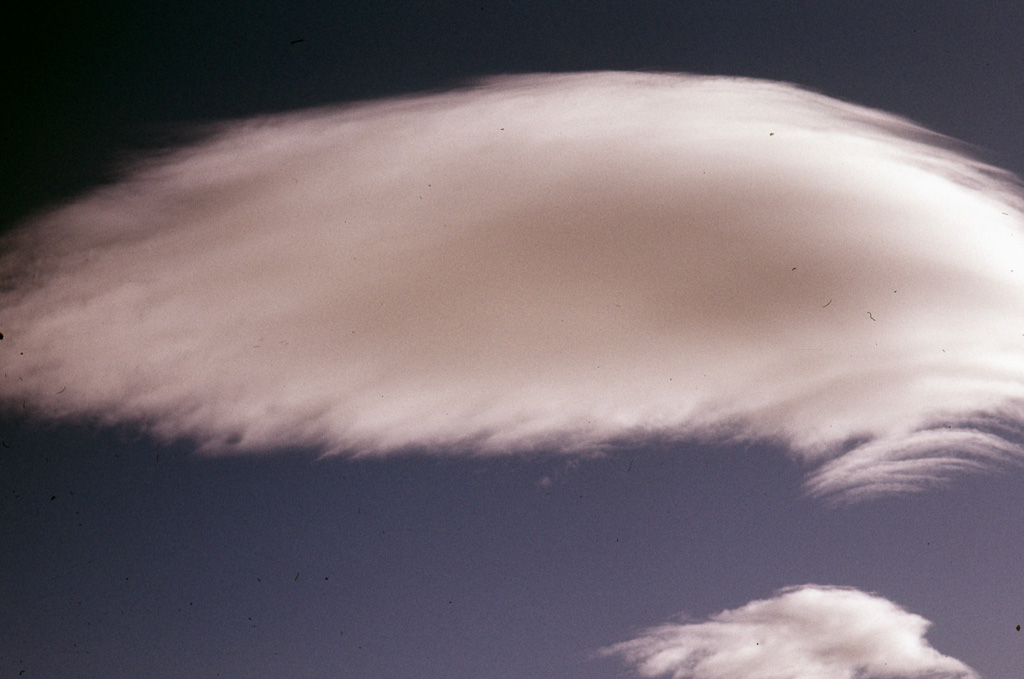
Orographic clouds forming over the summit
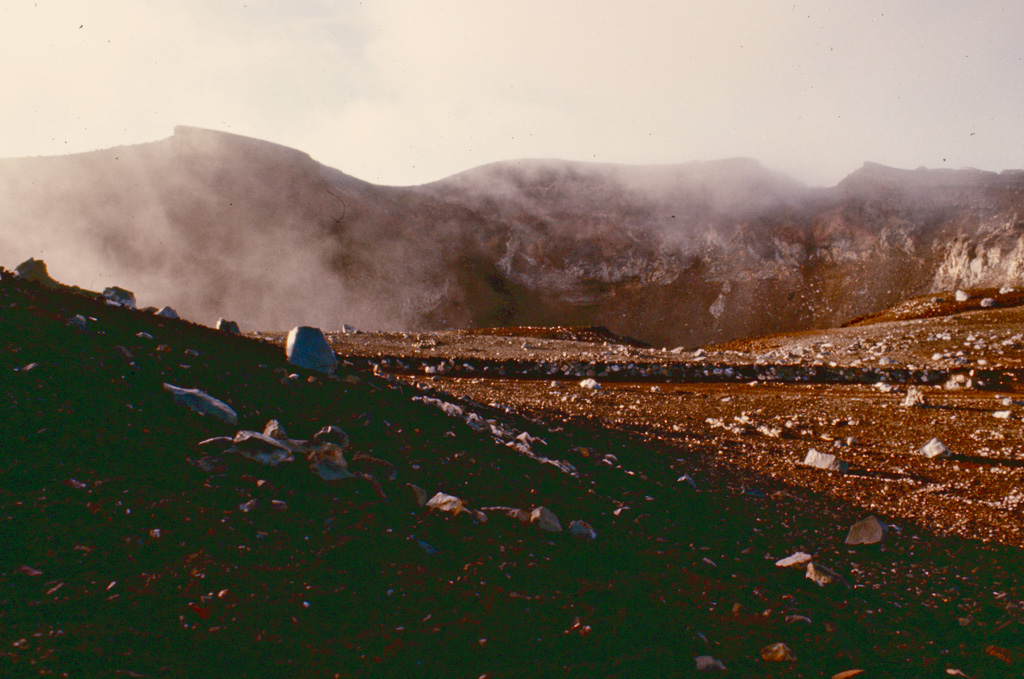
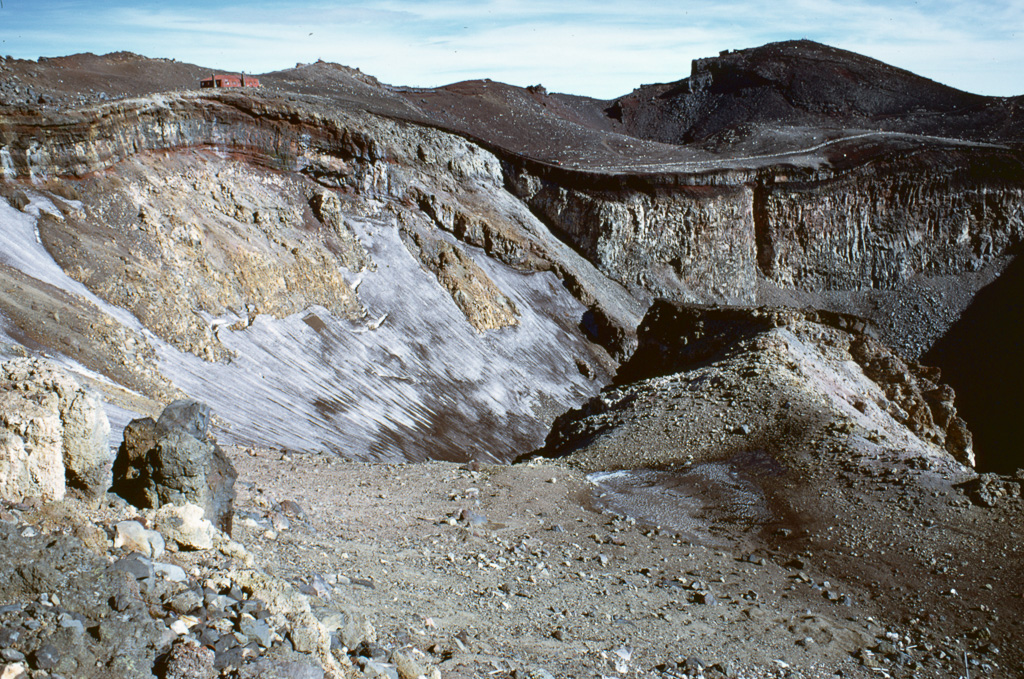
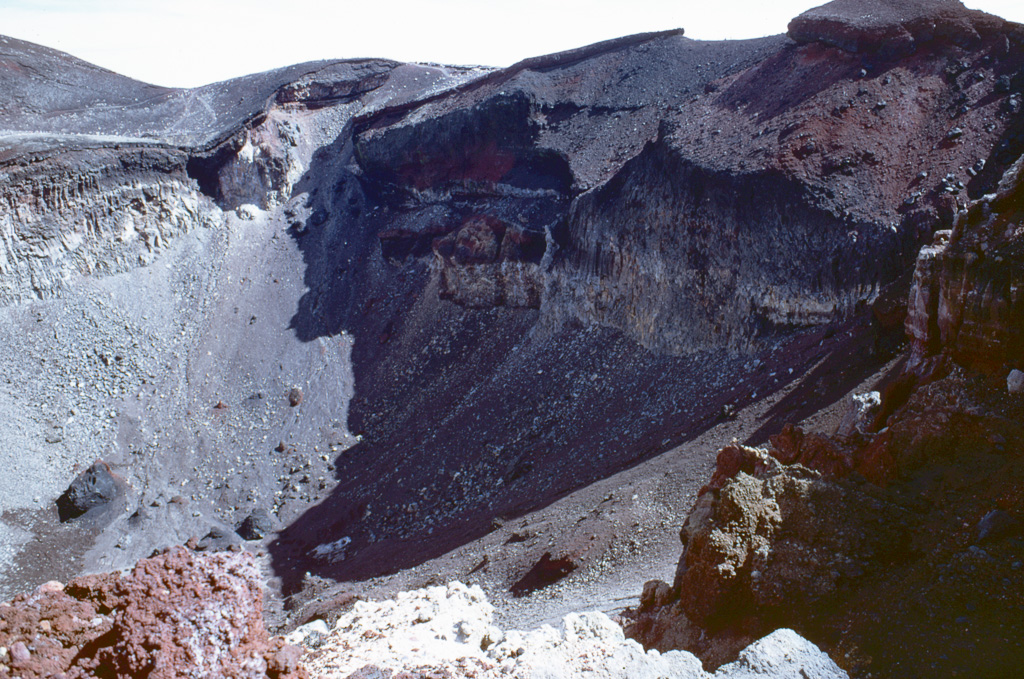
The crater. The mountain last erupted in 1708, but is still considered active.
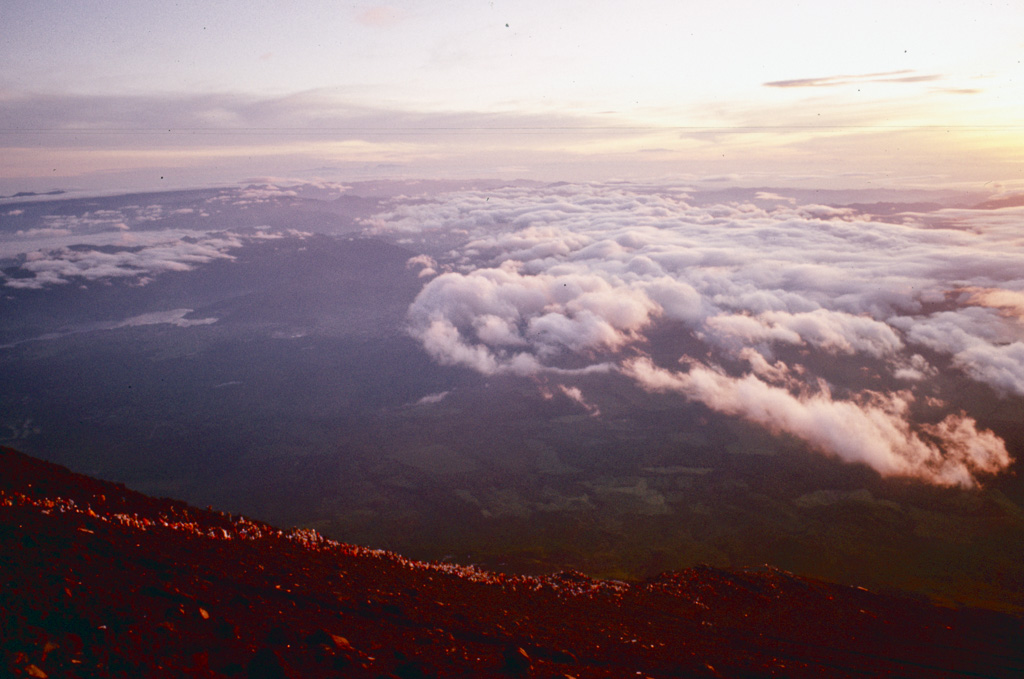
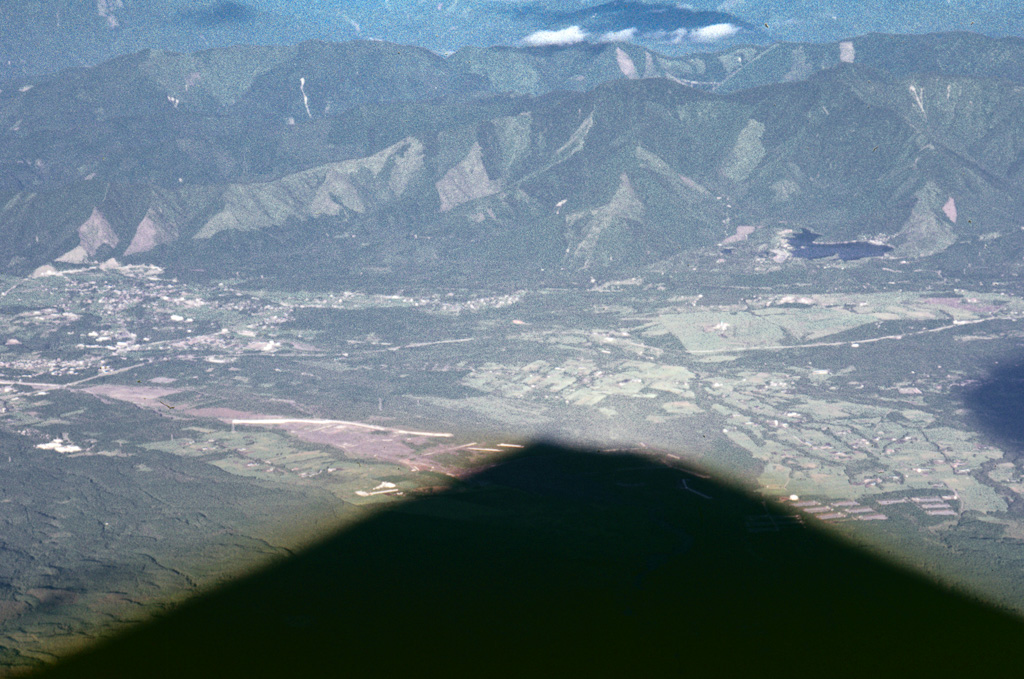
Fuji casts its long dawn shadow over the plains below
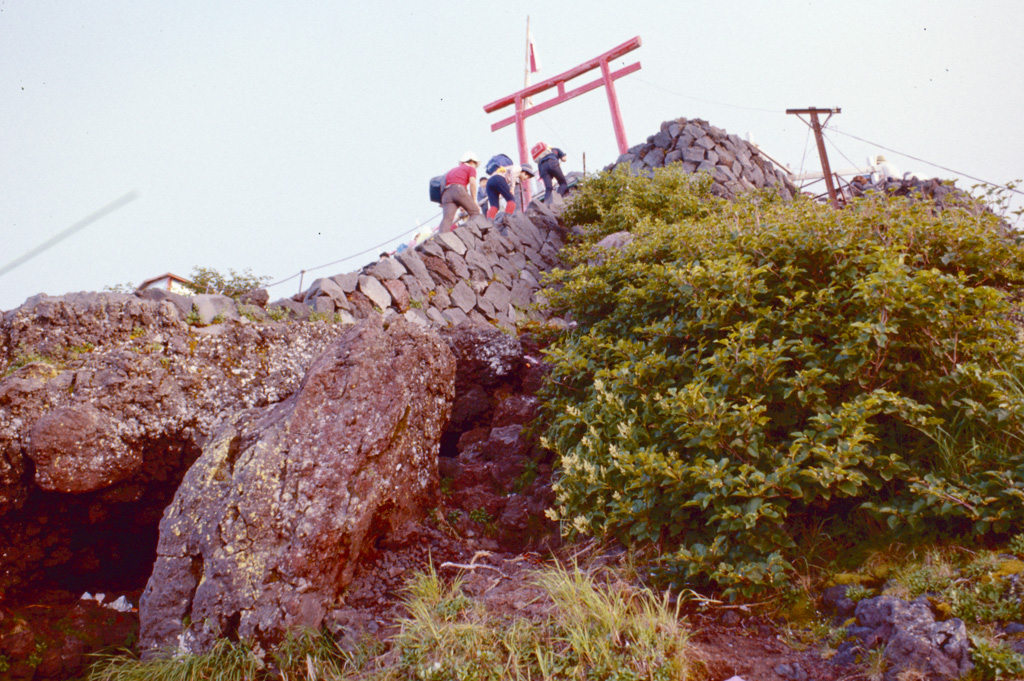
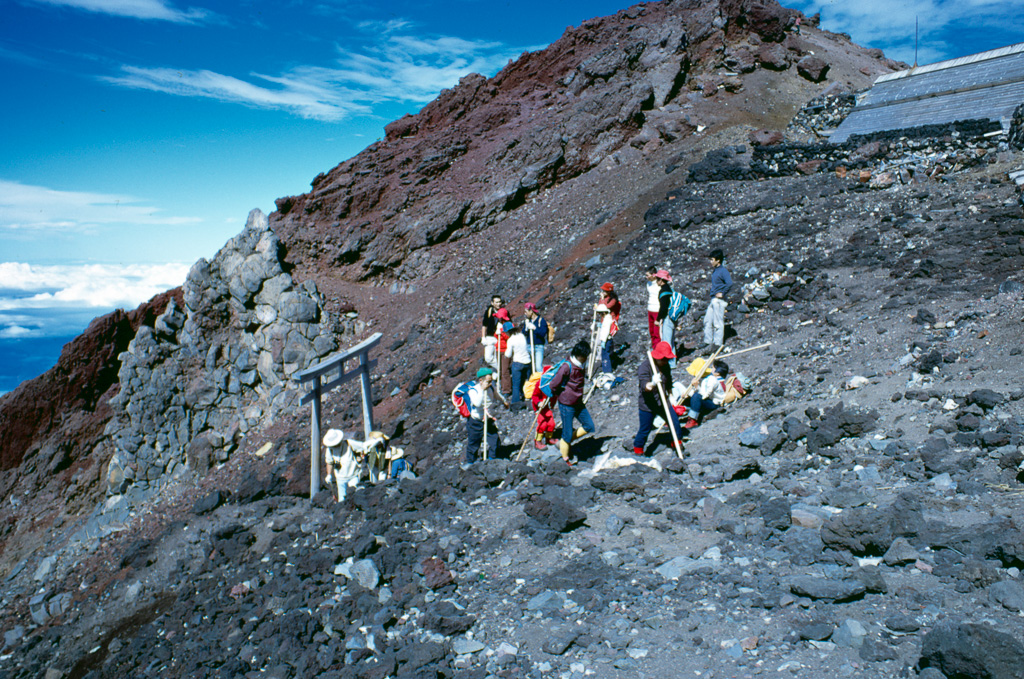
Starting down. After passing through this torii gate, it’s a fast slide down the cinder to a railroad statin on the other side of the mountain