Taipei

Taiwan in the Time of a Weak China

in the mid-Seventies, Chinese culture had just been demolished by the Cultural Revolution. The entrepreneurial Chinese of Hong Kong and Taiwan outproduced the entire mainland. At the same time, though Taiwan was already afraid of being invaded, China had little power to do so.

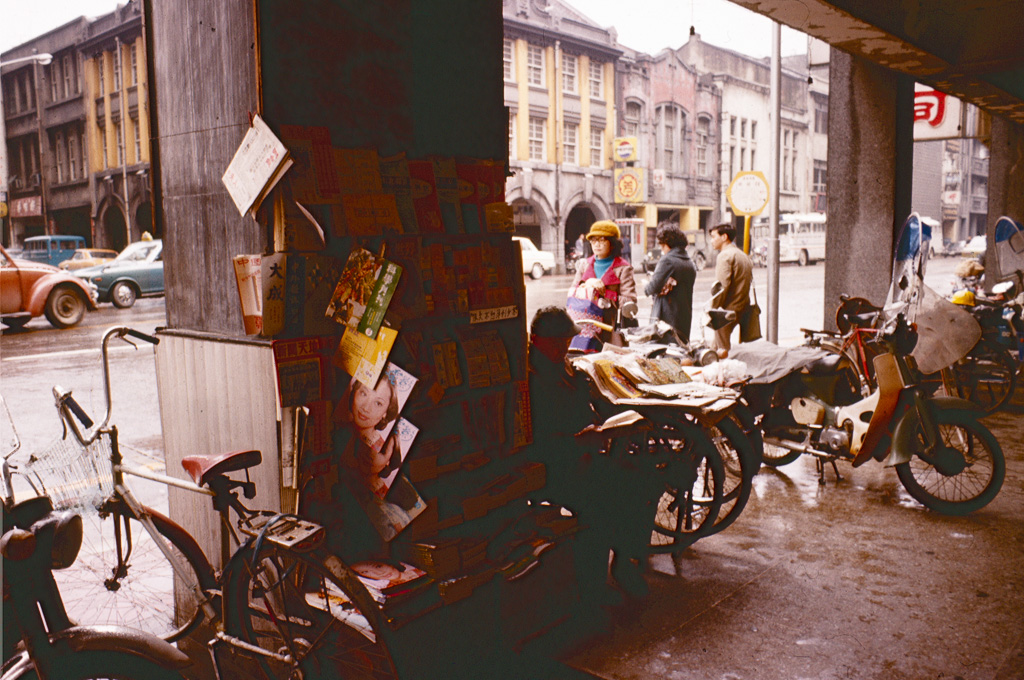
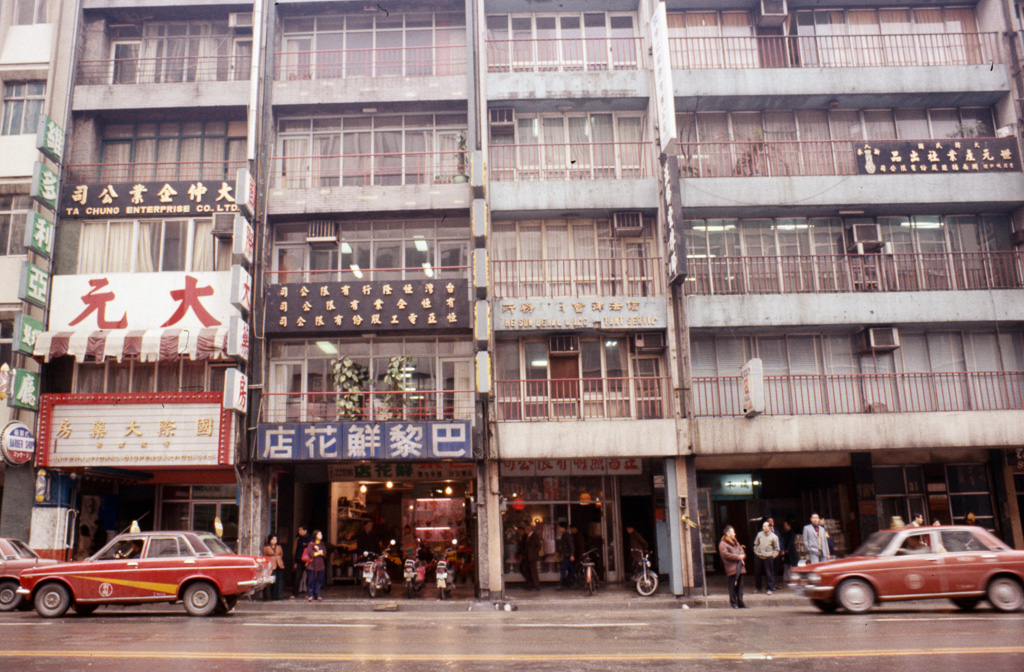
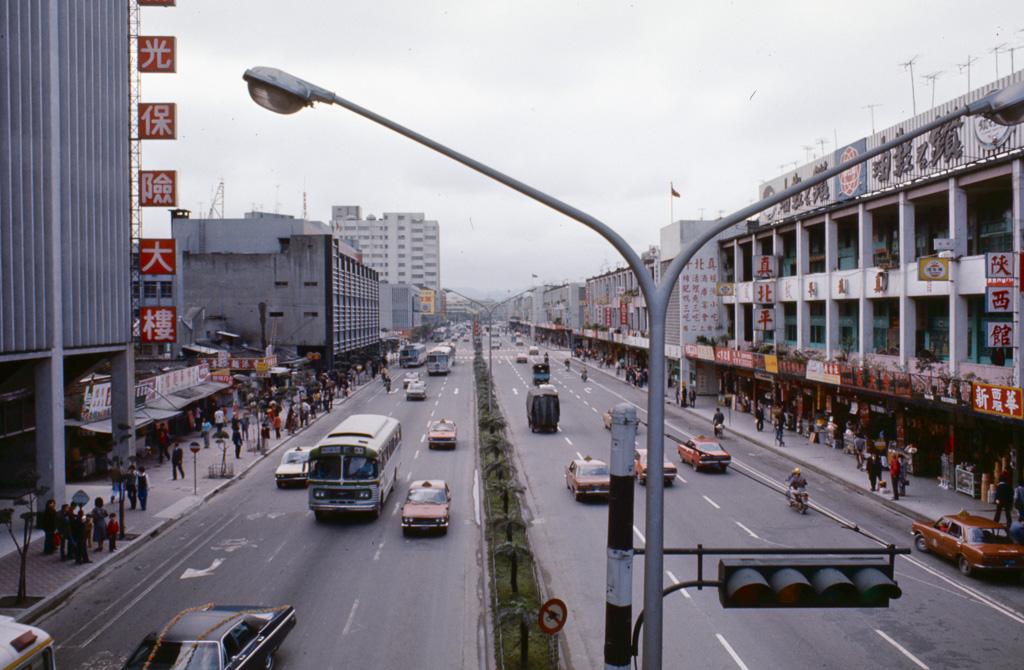
R: Taipei’s stately colonnades were a vestige of the era of Portuguese colonization.
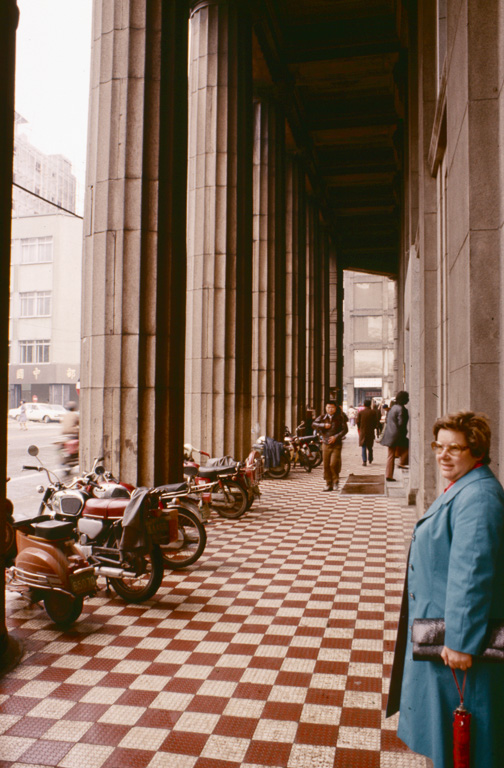
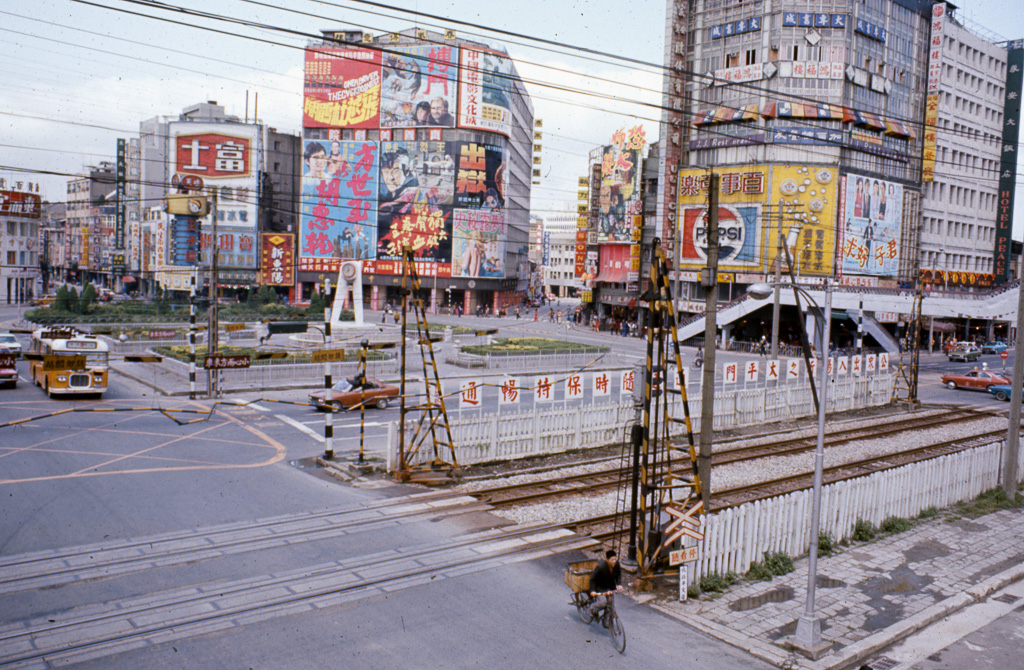
Commerce in Taipei

From 1544, the island was successively colonized by the Portuguese, the Spanish and the Dutch. The Portuguese gave the island a name, Formosa (“Most Beautiful”) that persisted until after World War II.
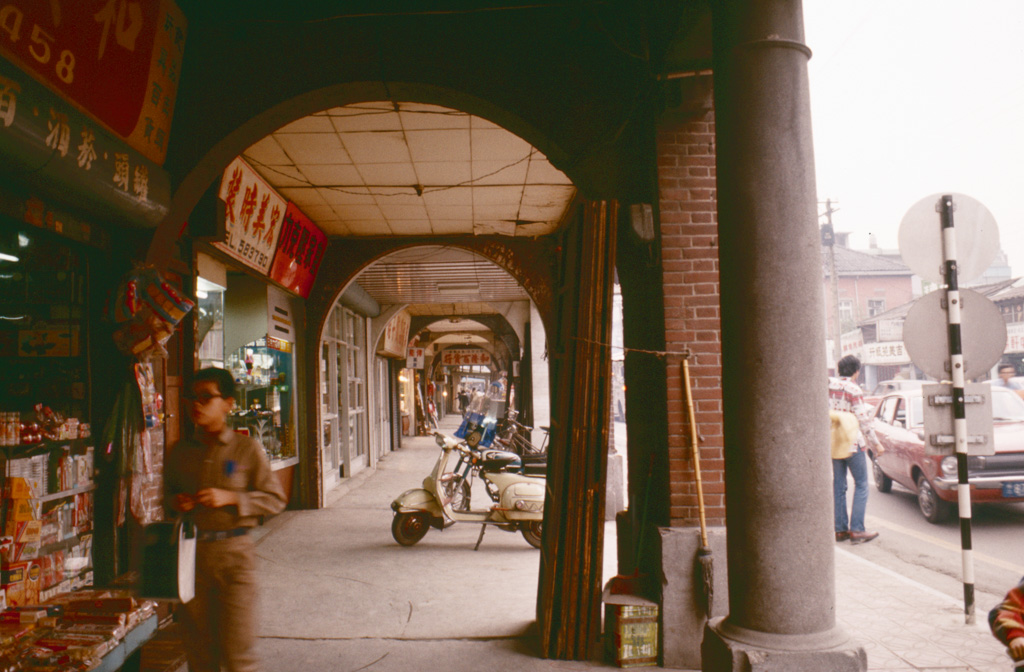
The architecture of Tawan has borrowed the shady Portuguese colonnade from its days as colonial Formosa. These protect shoppers from the tropical sun.
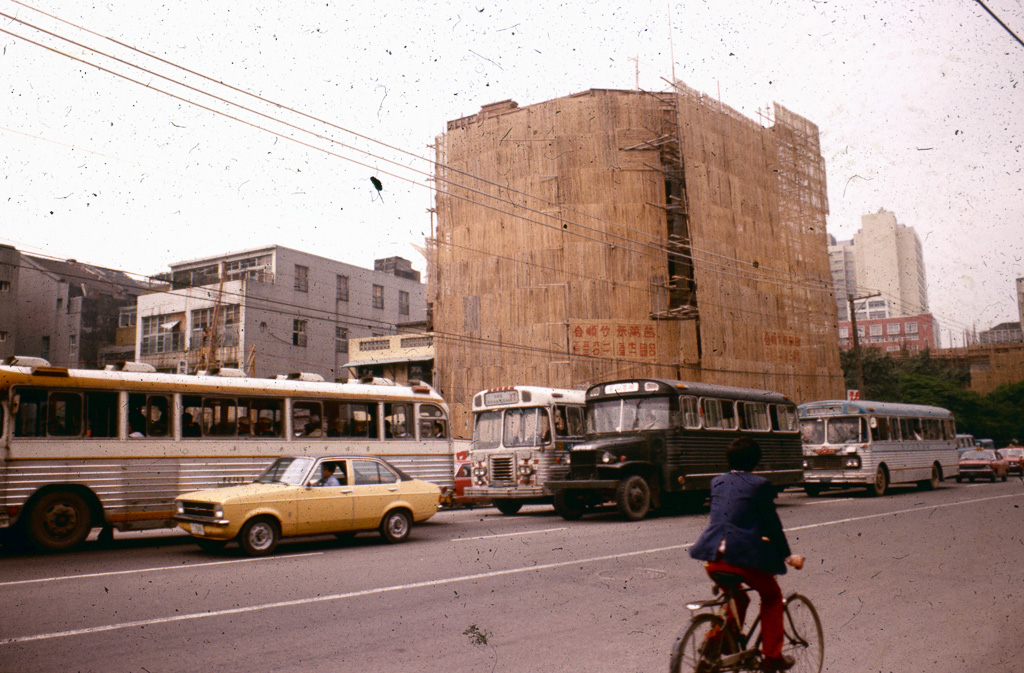
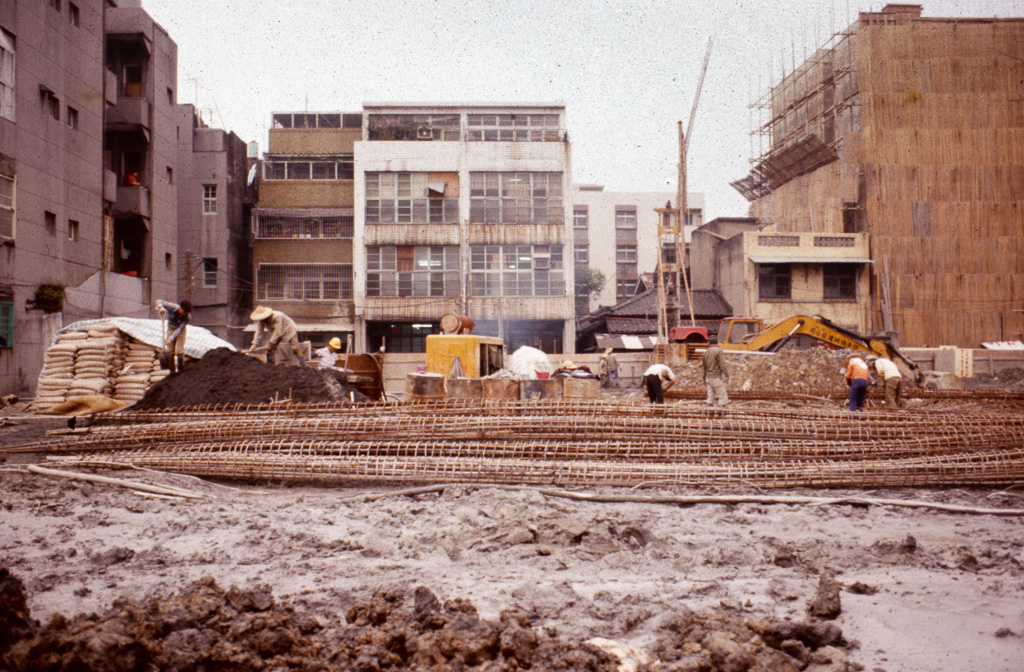
Chinese tradition requires a building under construction to be sealed off from view. This project is using bamboo strips!
Above the colonnade, three rows of shos
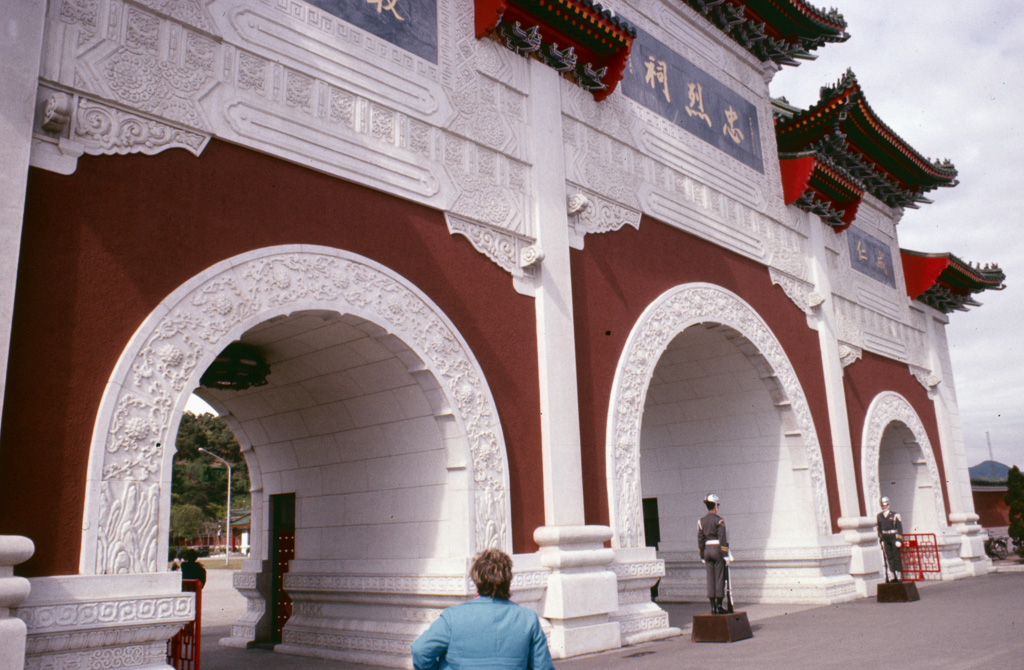
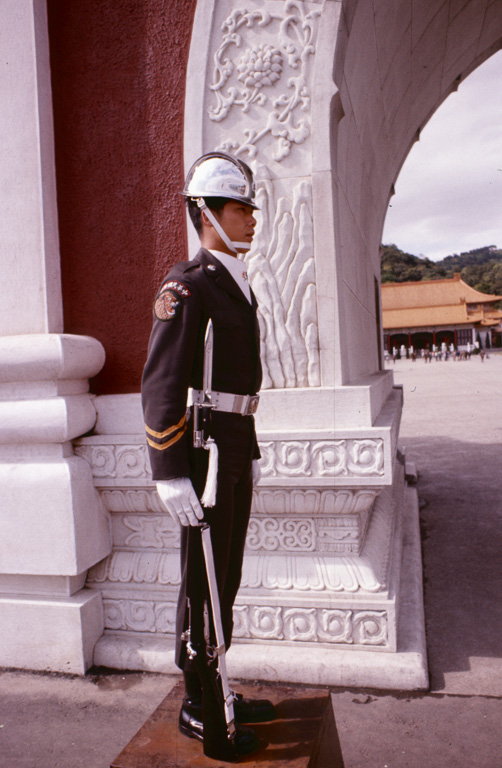
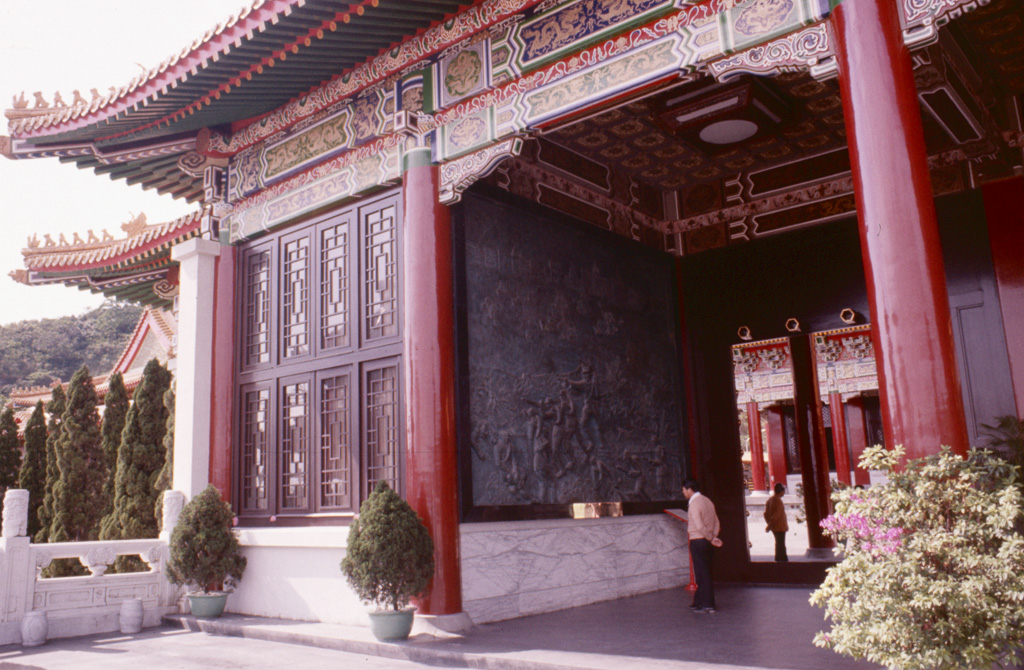
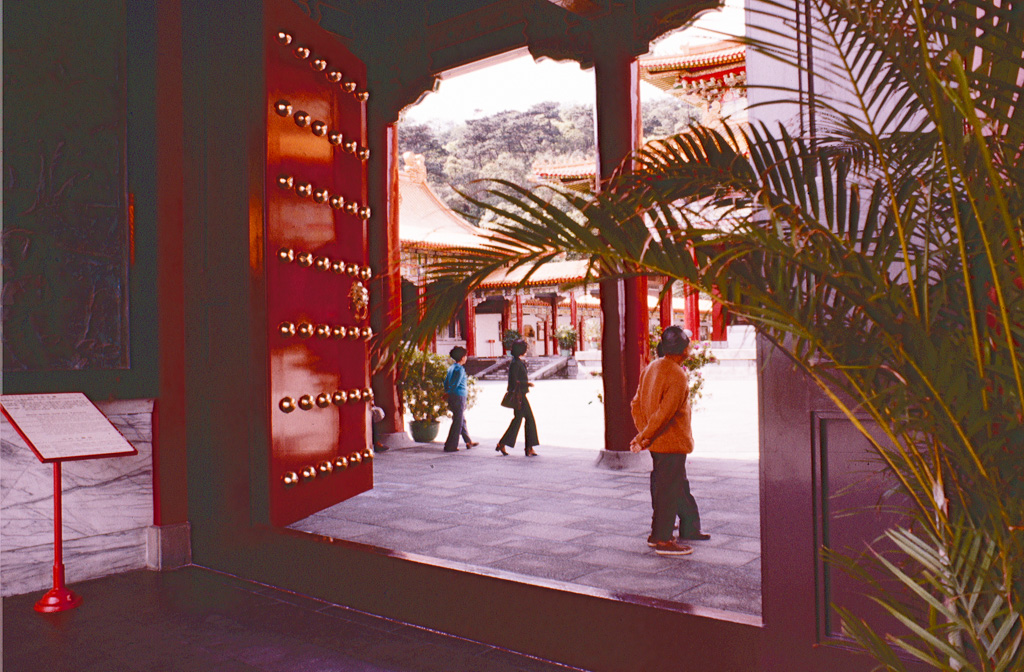
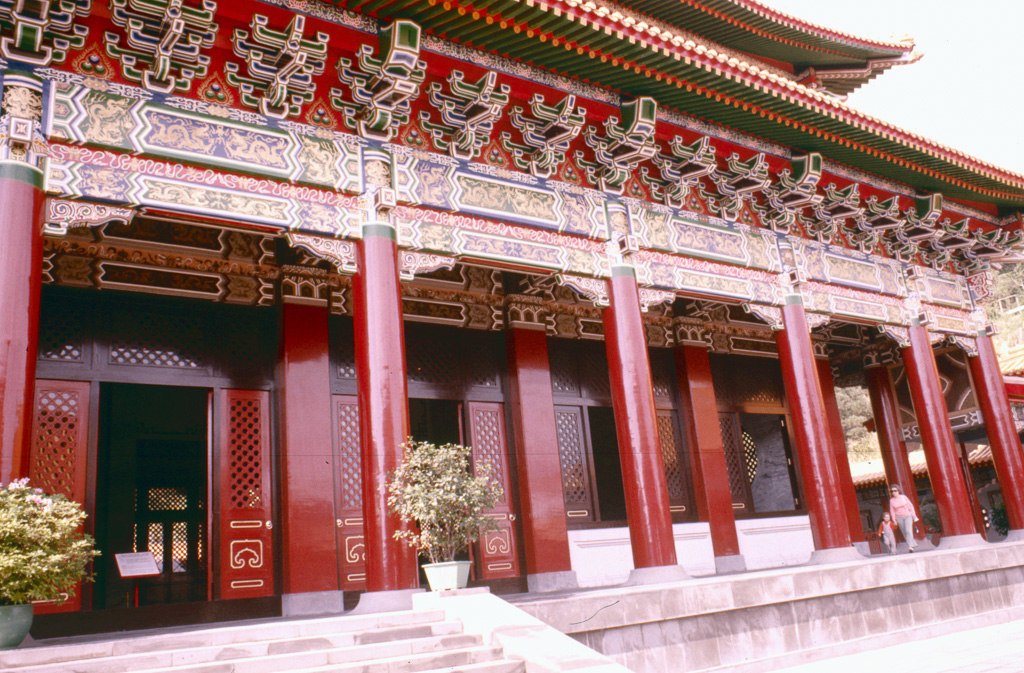
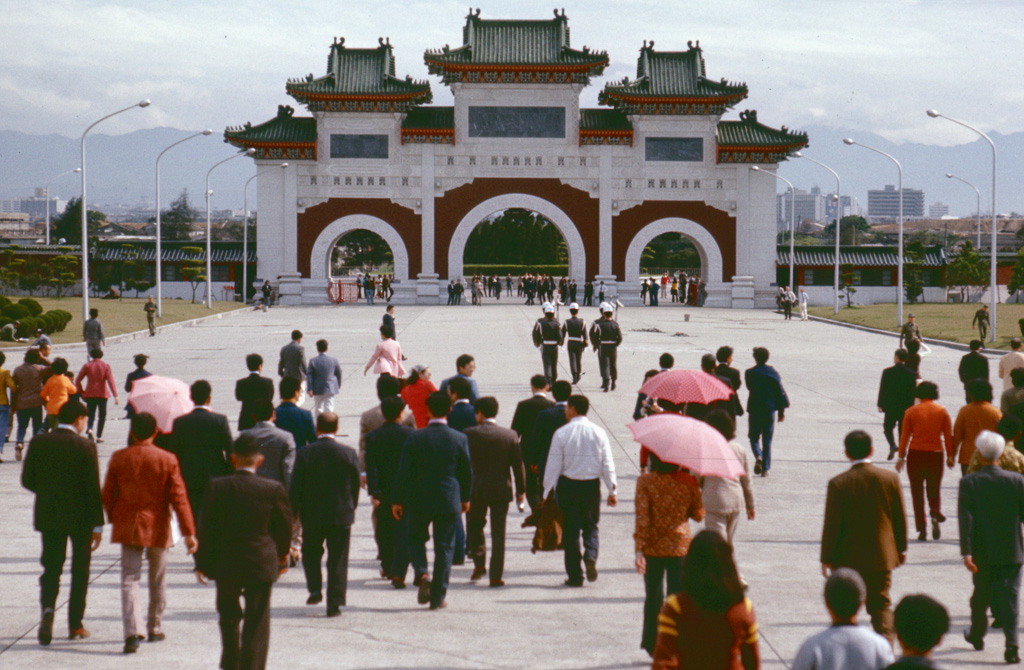
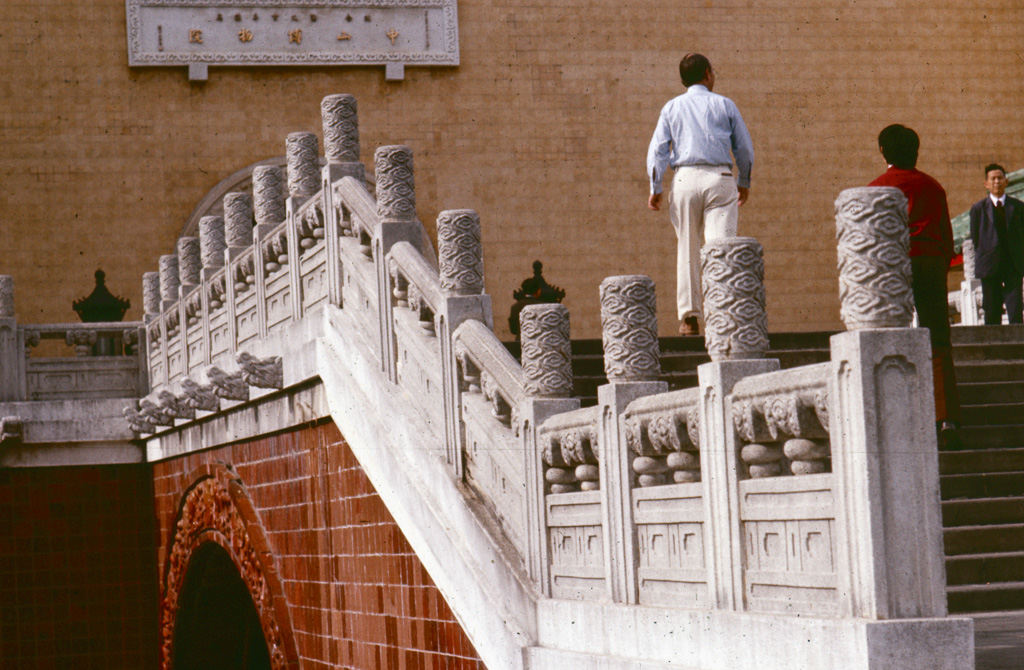
The National Revolutionary Martyr’ Shrine is dedicated to the Taiwanese dead I the civil war against the Maoists after WW II. This war resulted in Taiwan breaking away from the mainland to form a capitalist state.
Palace of the Republican Chinese government, now maintained mostly for ceremonial purposes. Includes guard-changing ceremonies.
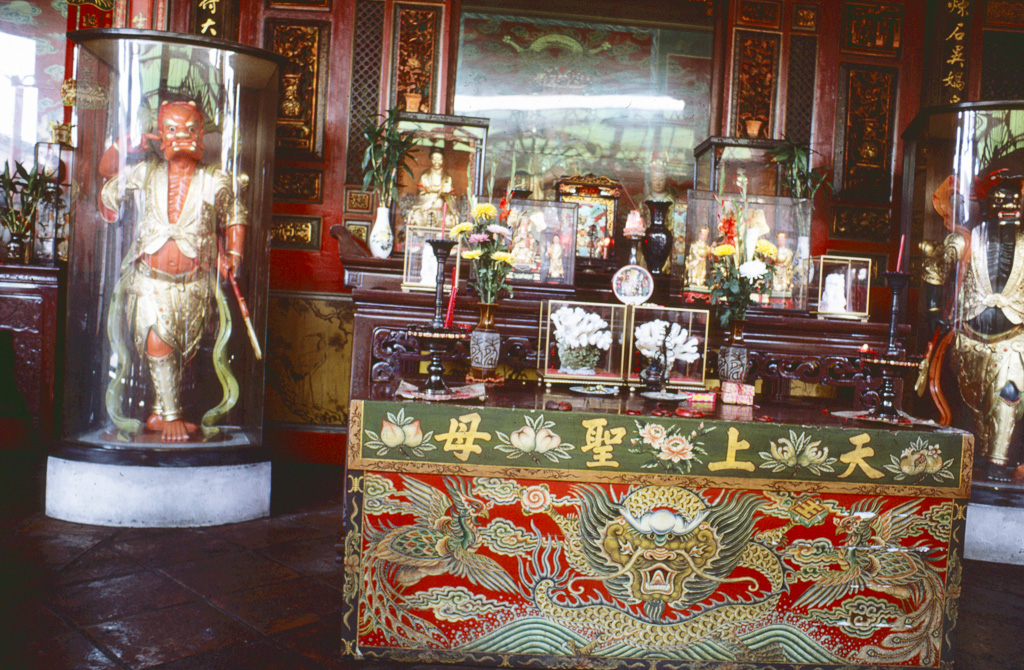
Chinese Buddhist temple in downtown area.
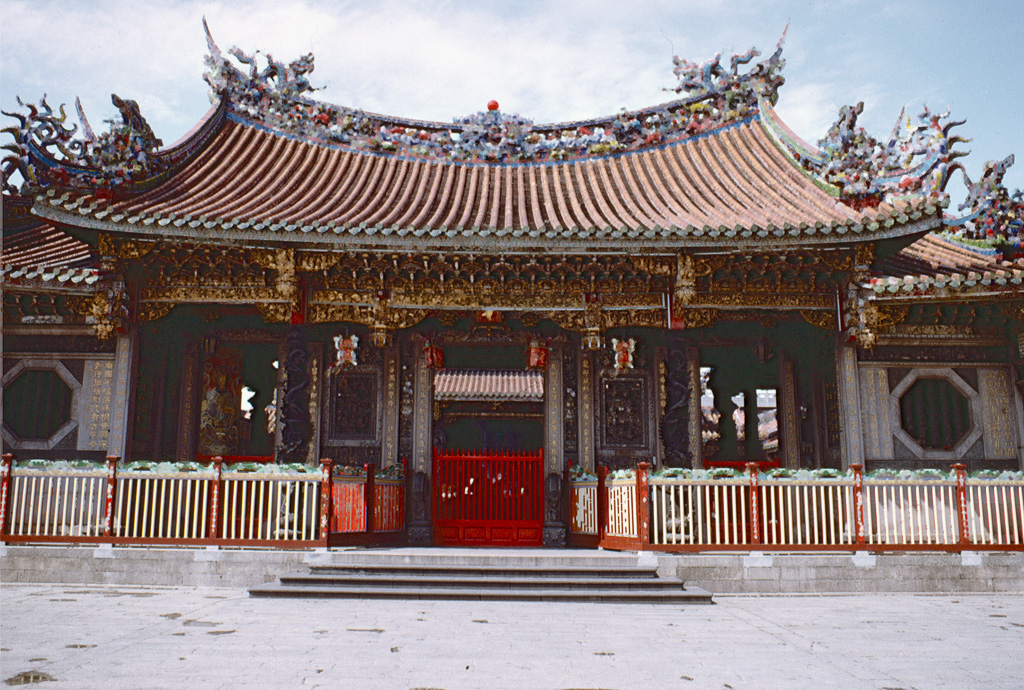
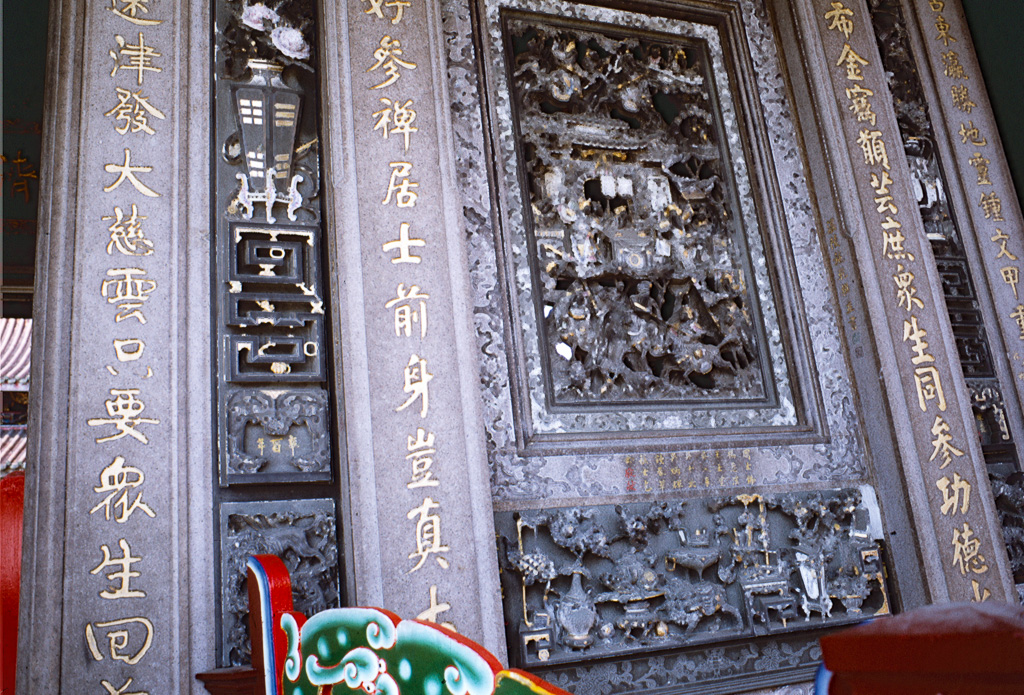
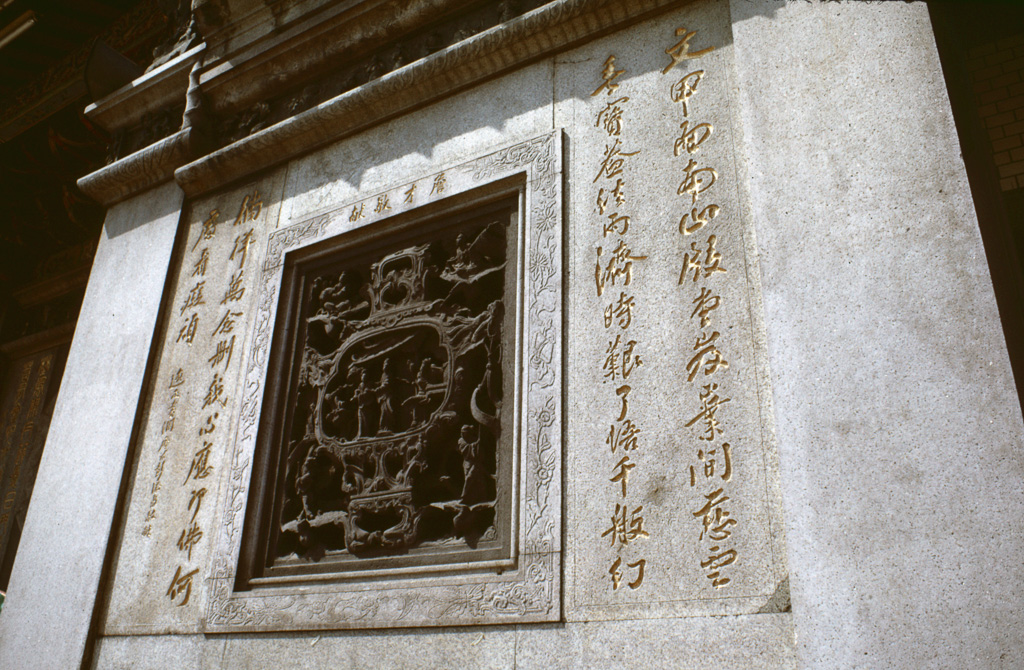
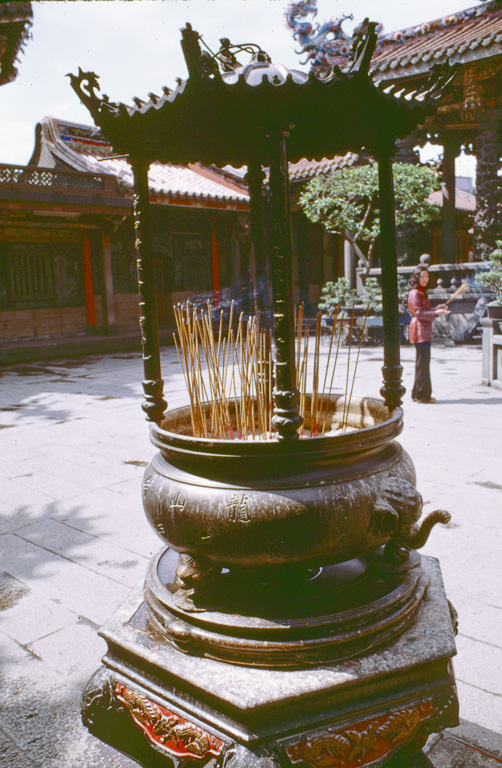
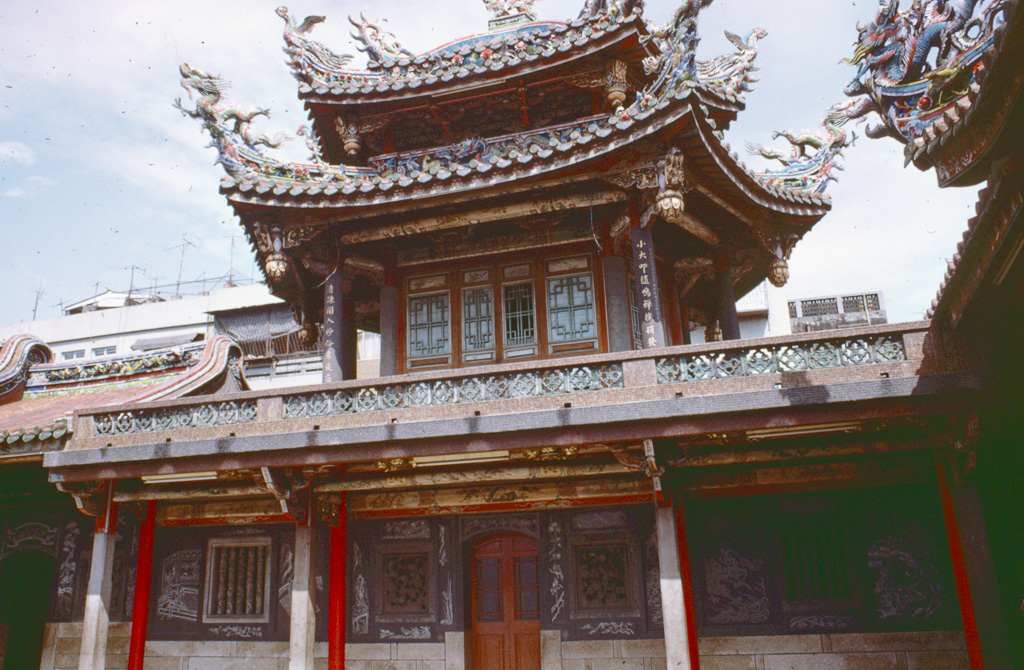
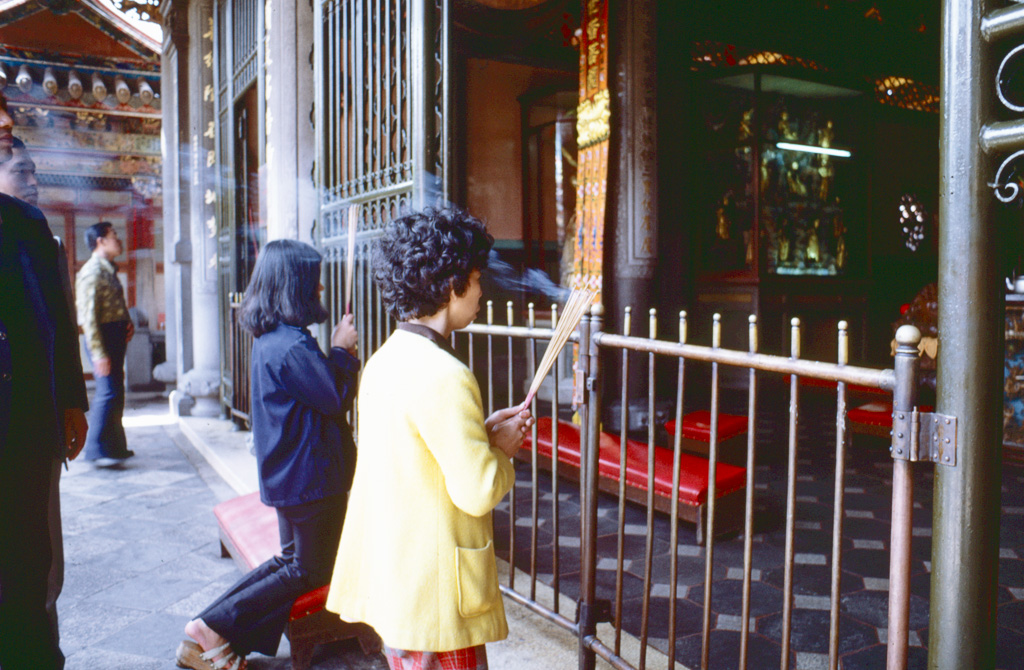
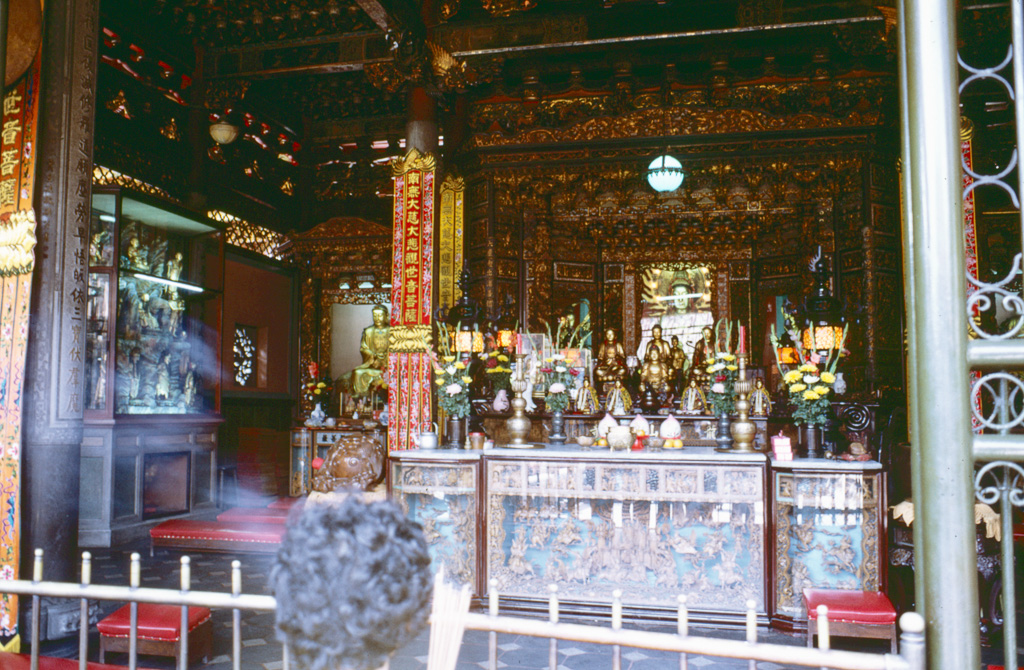
The Bangka Lungshan Temple was built in 1738 by settlers from Fujiasn province durimg the Qing Dynasty. The original temple has been destroyed on several occasions by fire and earthquake; today’s version was rebuilt in 1924.
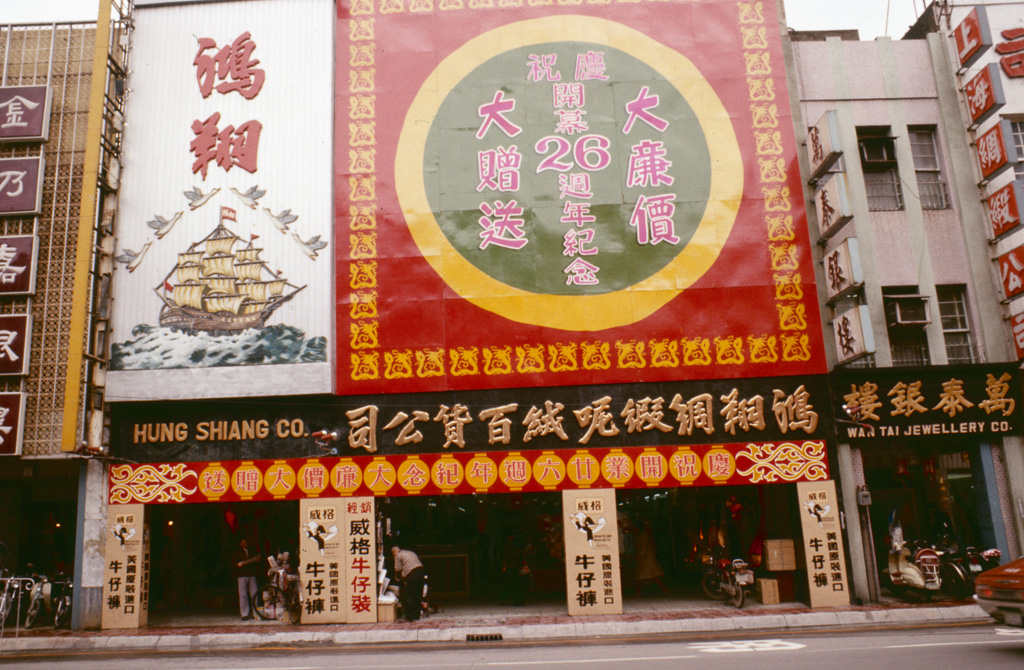
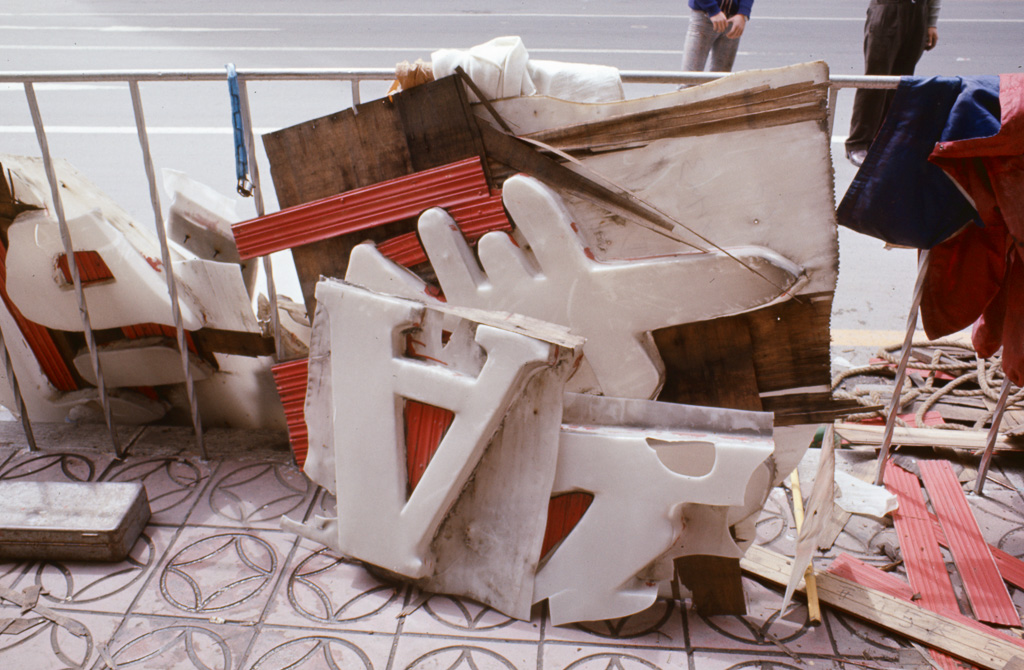
Giant sign are letters stacked up a a renovation site